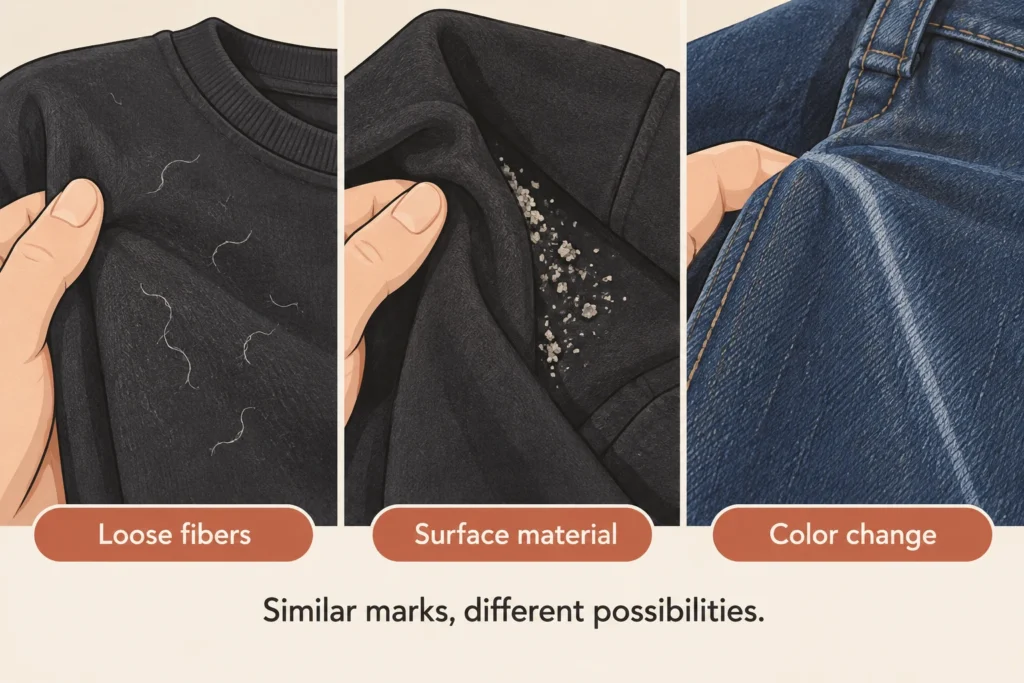
Why Do My Clothes Come Out of the Washer With White Streaks or Residue?
White marks aren’t proof of too much detergent. Look for removable deposits, transferred lint, or changed fibers before choosing a rinse or adjusting your next load.

White marks aren’t proof of too much detergent. Look for removable deposits, transferred lint, or changed fibers before choosing a rinse or adjusting your next load.
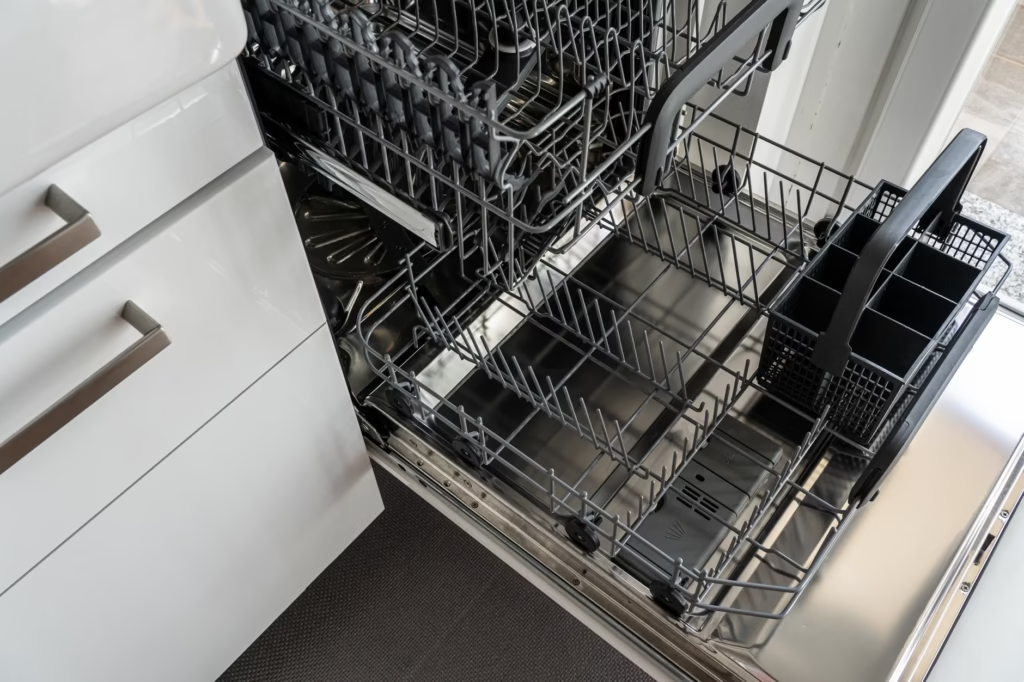
Remove trapped debris before running a cleaning cycle, then use the location and timing of any dirty water to tell residue from a drain problem.
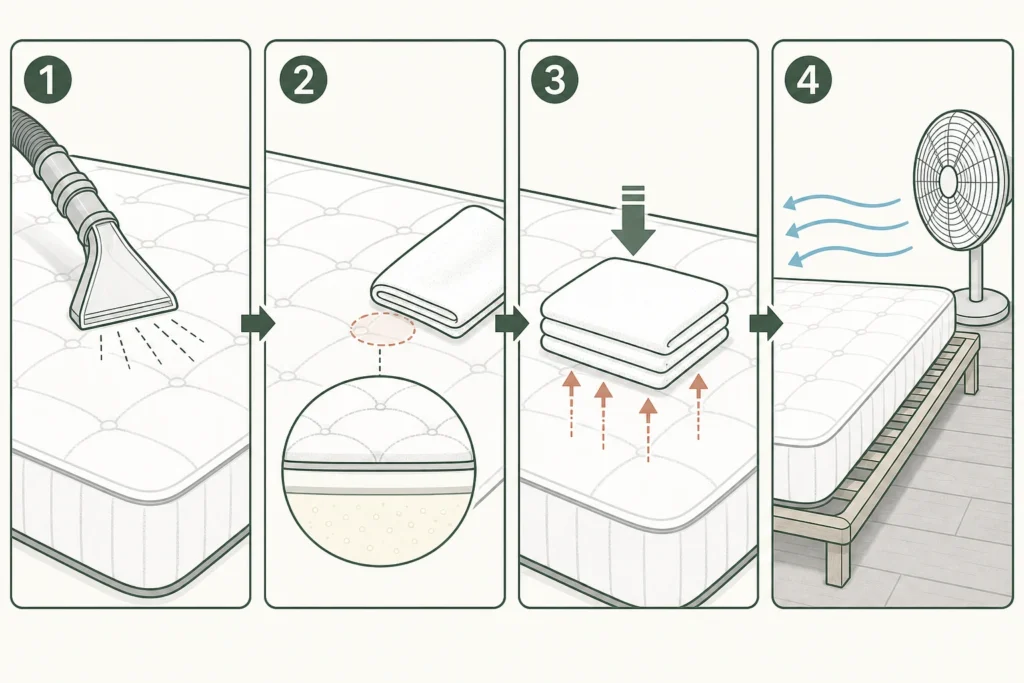
Freshen mild mattress odor and treat a small surface stain without pushing moisture into the quilting or foam. Start dry, keep any damp treatment cloth-sized, blot immediately, and wait for complete drying.
Cooking-spray residue and kitchen grease can turn cabinet doors tacky—but harsh degreasers can dull or strip the protective topcoat. Use a gentle, finish-safe process (warm water + dish soap, controlled dwell time, light
If your bathroom drain still smells after cleaning, the issue is usually trapped gunk in the P-trap, a dry trap seal, or a small leak that lets sewer gas bypass the water barrier. This guide walks you through safely dis-
If your washer leaves clothes smelling sour, the problem is usually buildup and trapped moisture. Use this step-by-step deep clean for the drum, gasket, and dispenser—plus prevention tips.
Carbonized grease looks permanent, but you can usually soften and lift it with soaking, gentle degreasers, and a baking-soda paste—without scratching or stripping your air fryer basket’s nonstick coating.
Oil darkens granite because it soaks into microscopic pores. The safest way to remove it without “bleaching” the color is to dissolve the oil with the right solvent, then pull it out with a white absorbent poultice—while
If the “black mold” in your shower grout doesn’t wipe off like a thin film, it’s often embedded growth plus staining inside porous grout. This guide walks you through a practical, no-chlorine-bleach process that focuses—
Rainbow heat stains on stainless steel are usually a thin oxidation layer—not permanent damage. Learn scratch-safe, step-by-step ways to remove discoloration from stainless appliances (cooktops, oven doors, range hoods)