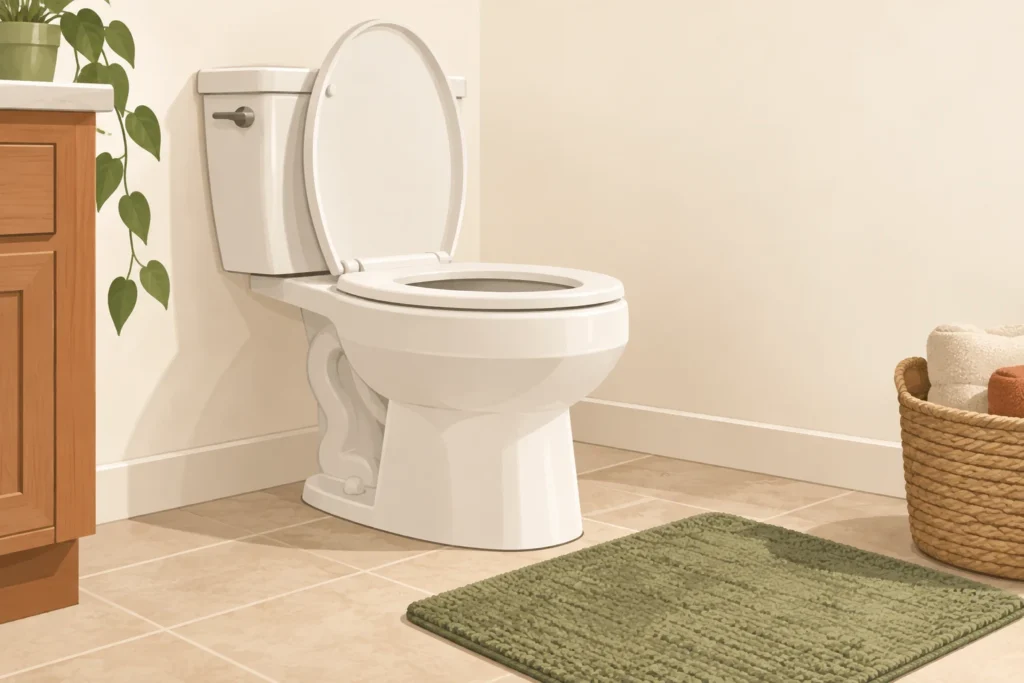
What Should I Clean After a Small Sewage or Drain Backup, and What Should I Throw Away?
A small puddle can reach materials you can’t wipe clean. Here’s how to protect people and decide what to clean, discard, or leave for assessment.

A small puddle can reach materials you can’t wipe clean. Here’s how to protect people and decide what to clean, discard, or leave for assessment.
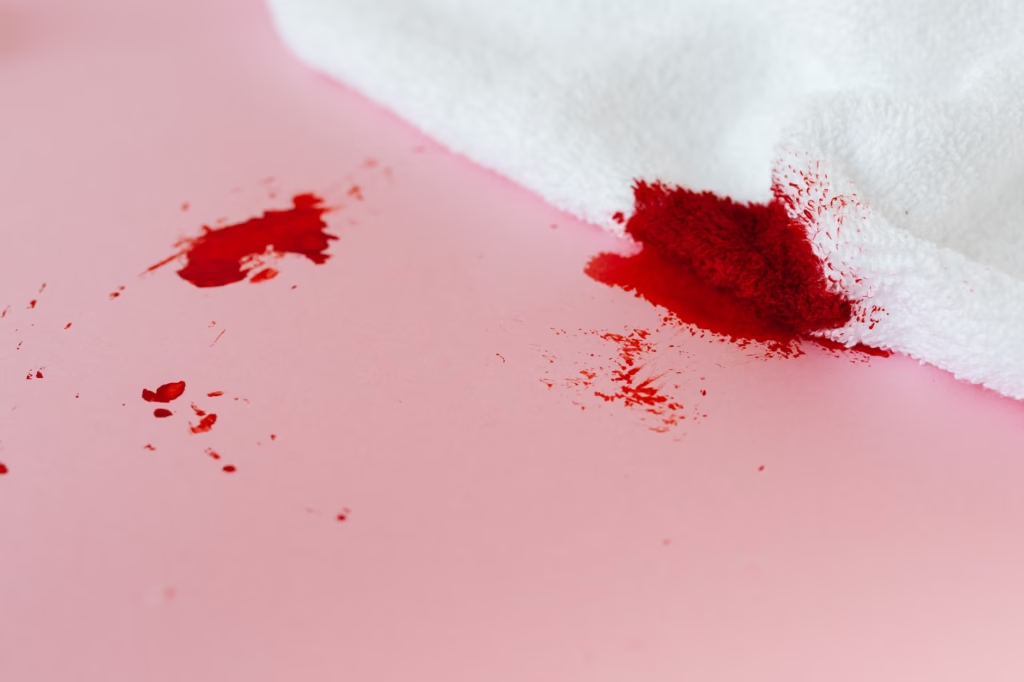
A small, fresh spill of clean water may need only careful drying. Unknown water, soaked hidden layers, or recurring wetness calls for assessment, not another surface check.
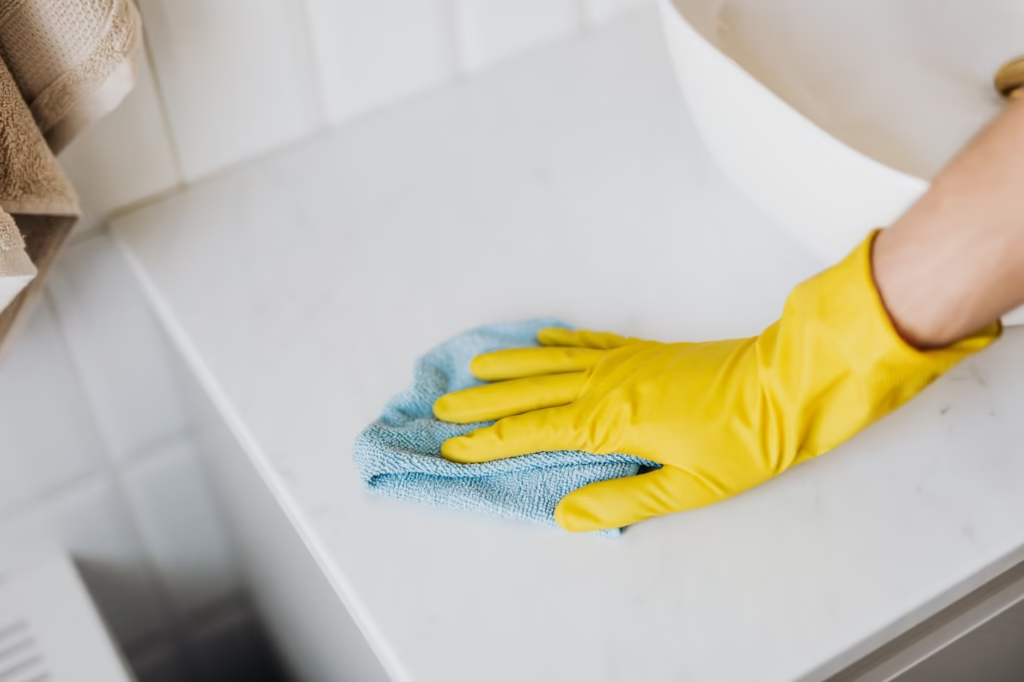
A stubborn mark does not always need stronger cleaner. Use a small, material-safe test to decide whether you are looking at removable soil, a worn finish, or damage that needs another kind of response.
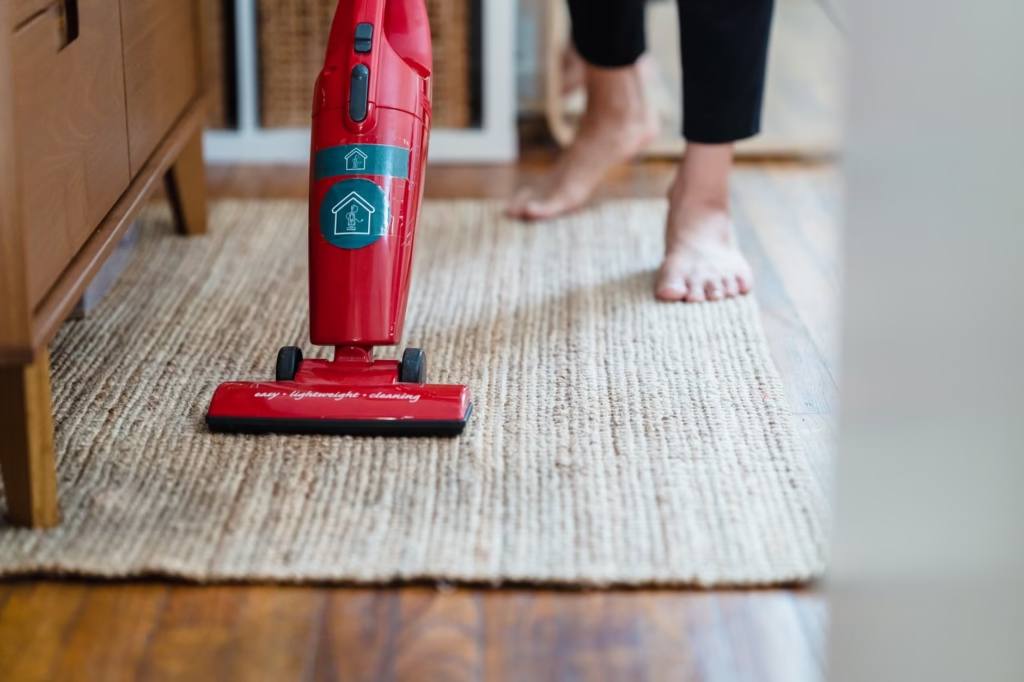
A mark returning during drying differs from one darkening after foot traffic. Use that distinction to choose one compatible correction, or stop before adding more moisture.

Treat water as a controlled cleaning variable, not proof of a deeper clean. Learn when to wipe, rinse, extract, blot, or simply stop and let the material dry.
A heavy-cleaning session works best when it follows a clear order. This practical checklist helps you deep-clean the rooms that collect the most hidden grime, without wasting time or overusing harsh products.