
Why Do My Windows Get Condensation in the Morning, and What Should I Do About It?
Locate the water before changing household humidity. Room-side droplets, exterior dew, and moisture between sealed panes need different responses.

Locate the water before changing household humidity. Room-side droplets, exterior dew, and moisture between sealed panes need different responses.

Sometimes, but the liner’s care label and your washer’s load restrictions both matter. Here’s how to choose between machine washing, hand cleaning, and replacement.
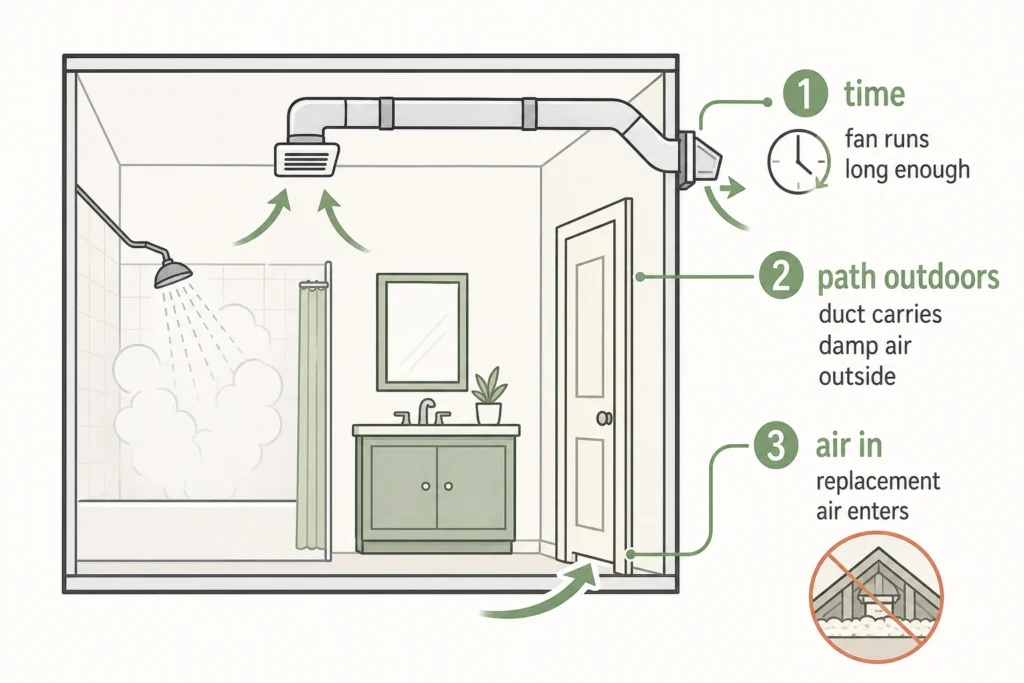
If the fan runs but the bathroom stays clammy, stop blaming the cleaner. Check run time, the room’s air path, accessible dust, and the signs that point to a duct or repair problem.
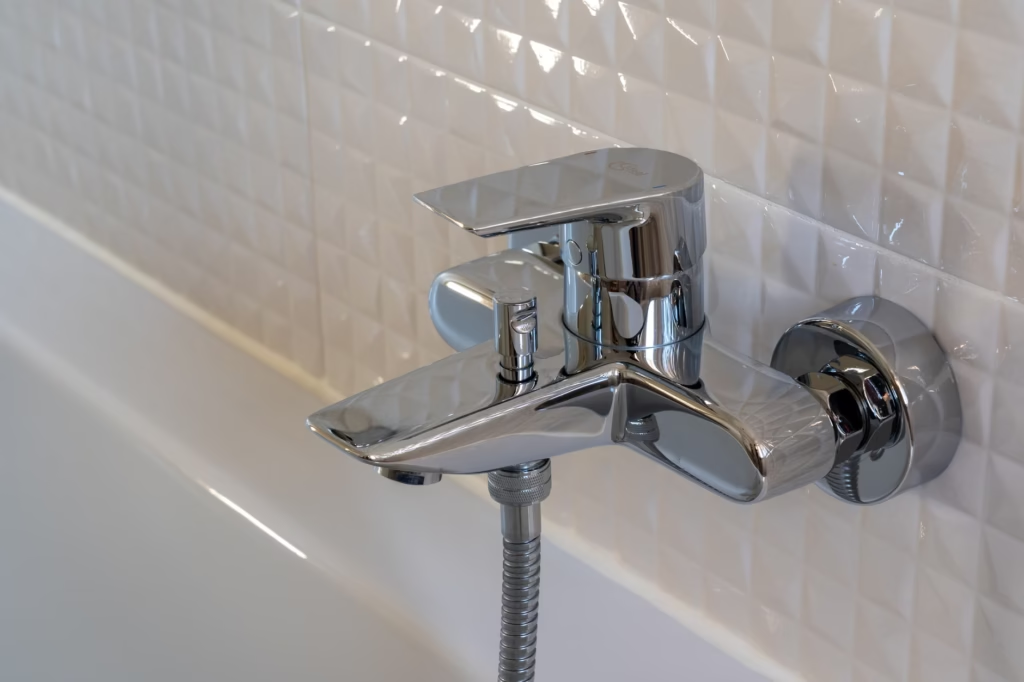
A small mold patch may be manageable, but size alone doesn’t settle it. Here’s how moisture history, surface condition, and health precautions change the decision, and how to judge the cleanup.
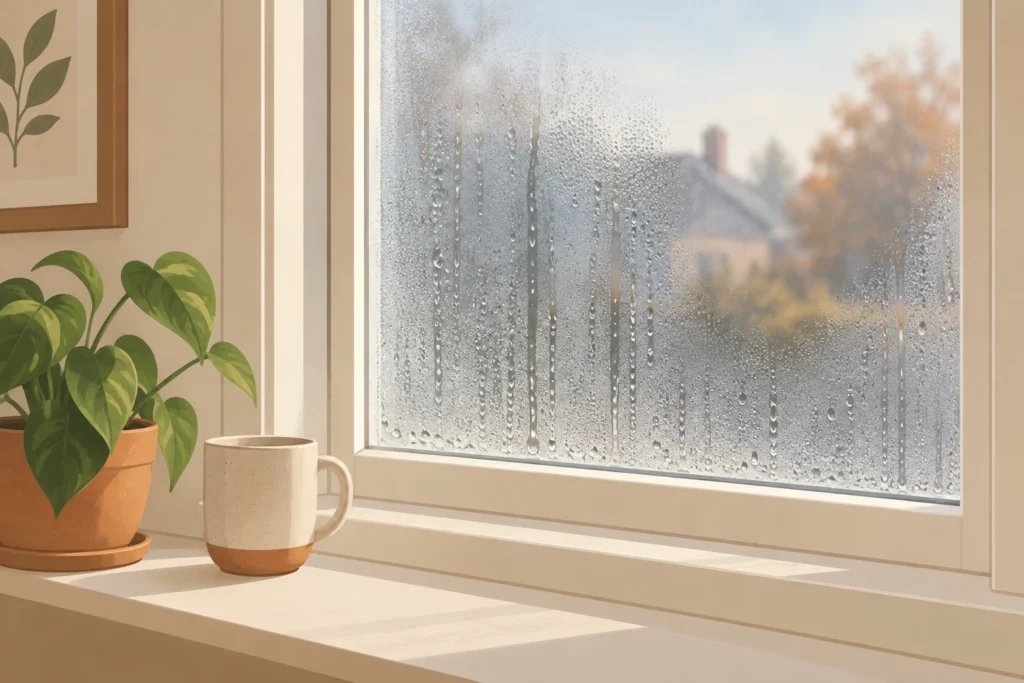
Where the water forms matters more than how often you wipe it. Separate indoor condensation, exterior dew, and moisture between panes, then use weather, room use, and recurring patterns to choose the next response.

Find the towel, mat, liner, or shower surface that stays wet longest, then change that one drying route before adding more cleaning.

A small mold spot is not automatically a cleaning-only job. Use the material, water history, drying conditions, and cleanup participant’s health to decide when to stop and request assessment.
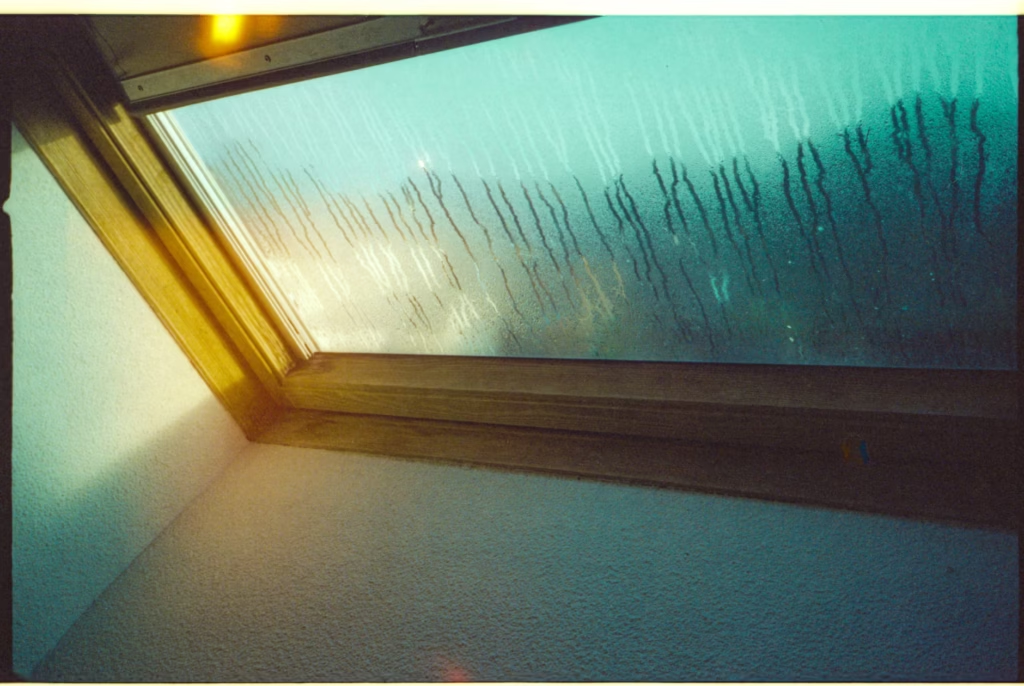
Bathroom mold is usually a moisture problem before it is a cleaning problem. This guide explains how to clean it safely, when to repair or replace materials, and how to stop the damp conditions that make it come back.
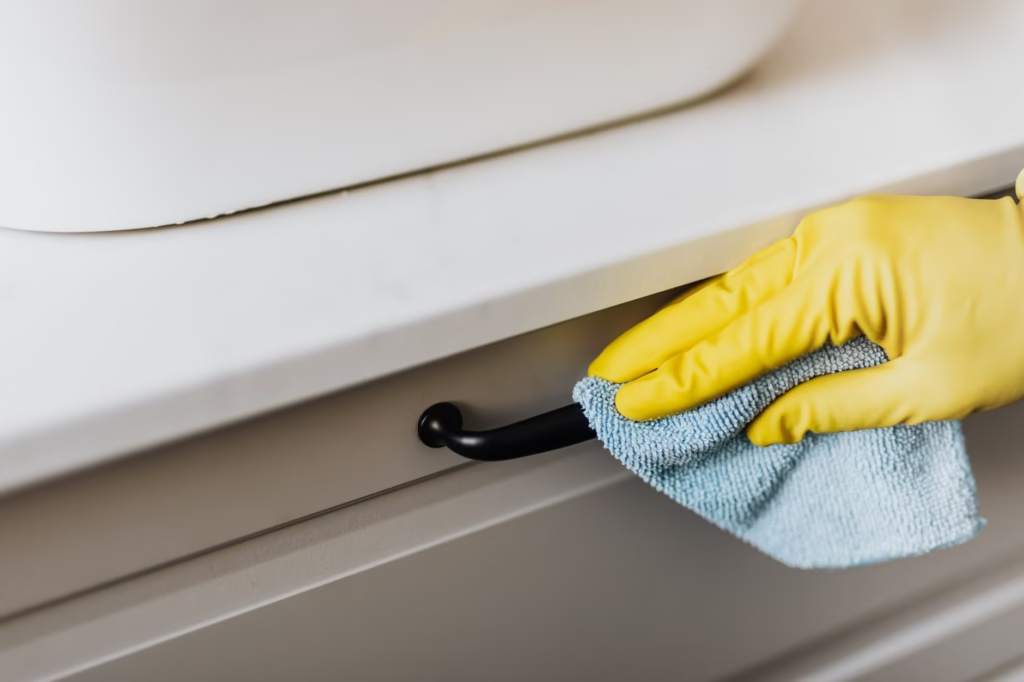
A fast bathroom clean works best when you clean in the right order, dry damp surfaces, and fix the source of odors instead of masking them.
If your bathroom drain still smells after cleaning, the issue is usually trapped gunk in the P-trap, a dry trap seal, or a small leak that lets sewer gas bypass the water barrier. This guide walks you through safely dis-