

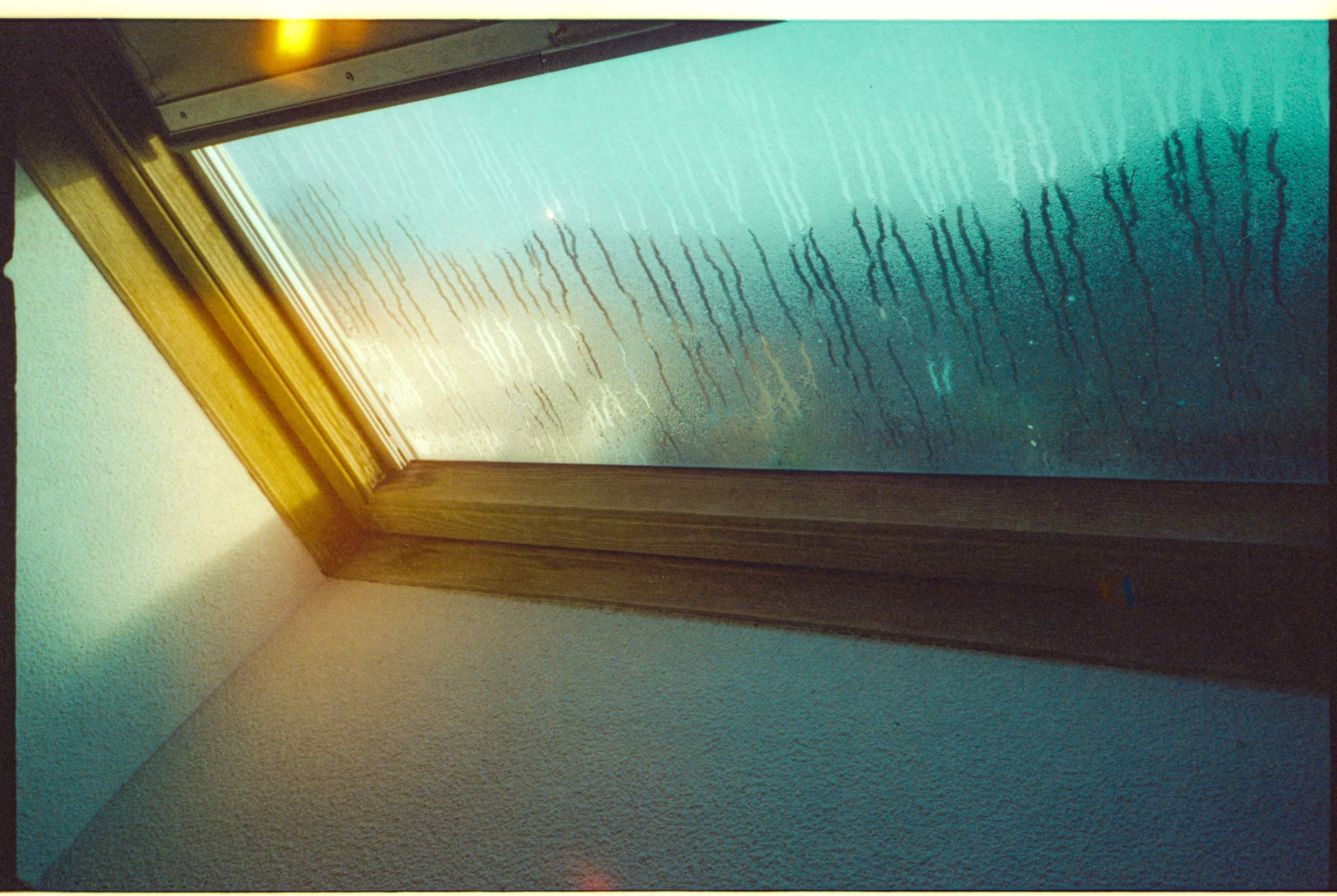
If bathroom mold keeps returning, the cleaner usually is not the real problem. EPA guidance puts the issue simply: mold control is moisture control. In a bathroom, that often means condensation that lingers too long, weak exhaust ventilation, or a small leak that keeps a surface damp. Hard surfaces can often be scrubbed clean, but absorbent or water-damaged materials may need repair or replacement. (epa.gov)
- First decide whether this is a cleaning job or a remediation job
- Why bathroom mold returns even after a thorough cleaning
- Use the Bathroom Mold Return Test before you scrub
- How to remove bathroom mold safely and effectively
- What actually keeps bathroom mold from coming back
- Common mistakes that keep the problem alive
- How to tell whether the fix is working
- References
First decide whether this is a cleaning job or a remediation job
A small patch on tile grout or a few specks on a painted ceiling near the shower may be manageable at home. That changes when the mold problem is bigger, hidden, or tied to contaminated water. EPA says to step up the response if the mold growth covers more than 10 square feet, if the HVAC system may be contaminated, or if the water damage was caused by sewage or other contaminated water. EPA also advises extra caution when health concerns are involved before cleanup begins. (epa.gov)
CDC adds an important health distinction: people with allergies, asthma, COPD, immune suppression, or underlying lung disease should not be the ones cleaning mold. Mold exposure can trigger irritation, wheezing, coughing, and other symptoms, and some people are more vulnerable than others. (cdc.gov)
Skip routine DIY cleanup and bring in qualified help if the mold is widespread, keeps returning in the same hidden area, involves soft or swollen drywall, appears around HVAC components, follows sewage contamination, or someone in the home is medically vulnerable. (epa.gov)
Why bathroom mold returns even after a thorough cleaning
A bathroom never becomes permanently spore-free. EPA notes that there is no practical way to eliminate all mold and mold spores indoors, so the realistic goal is to stop wet conditions from letting those spores colonize surfaces again. That is why aggressive scrubbing can seem to work for a week and still fail a month later. (epa.gov)
EPA’s own bathroom tip is especially useful here: bathrooms are often damp enough that some mold may reappear, and the usual long-term fix is more ventilation plus more frequent cleaning, not stronger chemistry alone. The same guidance says that if visible mold returns, the real question is what is keeping that area wet. (epa.gov)
Use the Bathroom Mold Return Test before you scrub
A practical way to diagnose recurring bathroom mold is to check four things in order. Think of this as a household decision tool, not a formal inspection standard.
- Water source: Look for obvious wetting first. Slow plumbing leaks, roof leaks above the bathroom, and condensation caused by high indoor humidity are all recognized mold triggers. A stain near a pipe chase, toilet, tub edge, or upper ceiling corner is more suspicious than a random speck on shower tile. (epa.gov)
- Drying pattern: Condensation on windows, walls, or pipes is a sign that humidity is staying too high. If the room feels clammy or surfaces remain visibly damp after routine shower use, drying time is part of the problem. (epa.gov)
- Air removal: EPA says a bathroom fan must do more than make noise; it needs to exhaust sufficient air directly to the outside. HVI recommends leaving the fan on for about 20 minutes after use, which is why a timer switch is often more effective than a standard light switch. (epa.gov)
- Material condition: Hard surfaces are one thing; soft, swollen, peeling, or absorbent materials are another. EPA says hard surfaces can often be cleaned, while porous materials may hold mold too deeply to be cleaned reliably. (epa.gov)
A realistic example helps. Imagine a small windowless bathroom where black spotting keeps appearing on the ceiling above the shower. The owner keeps wiping it with bleach wipes, but the fan shuts off with the light and the ceiling still beads with moisture after every shower. In that situation, the better fix is not a harsher spray. It is longer exhaust run time, confirmation that the duct vents outdoors, and a closer look at whether the ceiling paint or drywall has already been damaged. (epa.gov)
How to remove bathroom mold safely and effectively
For routine bathroom mold on hard surfaces, the safest approach is also the least dramatic: protect yourself, clean the surface thoroughly, and dry it completely. The drying step matters as much as the scrubbing step. (epa.gov)
- Ventilate the room and protect yourself. CDC advises eye protection, protective gloves, and at least a NIOSH-approved N95 respirator when cleaning mold. If someone in the home has asthma, COPD, immune suppression, or underlying lung disease, that person should not do the cleanup. (cdc.gov)
- Clear the work area. Make sure you can reach the full affected surface and keep it from staying damp. If you are using any cleaner, open a window or door when practical for fresh air. (cdc.gov)
- Clean hard surfaces first with detergent and water. EPA’s basic guidance is to scrub the mold off hard surfaces and then dry the area completely. On tile, glass, finished metal, and similar surfaces, this is usually the baseline method. (epa.gov)
- Use bleach only with care. CDC says bleach can be used, but never mix it with ammonia or any other cleanser, and do not exceed 1 cup of bleach in 1 gallon of water. Stronger is not automatically better. (cdc.gov)
- Dry the surface completely after cleaning. EPA repeatedly emphasizes drying because moisture left behind lets mold return quickly. Fans, ventilation, and dehumidification matter more here than fragrance or disinfectant residue. (epa.gov)
- Do not paint or caulk over active mold. EPA says to clean and dry the surface first; otherwise, paint is likely to peel and the underlying problem remains. (epa.gov)
- Replace what cannot be cleaned or dried reliably. EPA says absorbent or porous materials may have to be thrown away if they become moldy because mold can fill their crevices and remain difficult or impossible to remove completely. (epa.gov)
One nuance matters here: successful cleanup does not always restore a surface to its original appearance. EPA notes that mold can leave staining and cosmetic damage even after the growth is removed. That is one reason bathroom caulk, damaged paint, or old ceiling material sometimes still needs replacement after proper cleaning. (epa.gov)
| Area or material | Usually reasonable DIY approach | Signs you should repair, replace, or escalate | Why the distinction matters |
|---|---|---|---|
| Glazed tile, glass, metal, or plastic | Scrub with detergent and water, then dry completely. (epa.gov) | The same spots keep returning because condensation, splash-back, or weak exhaust is still wetting the surface. (epa.gov) | EPA treats hard surfaces as generally cleanable; repeated growth usually points to the moisture cycle, not the tile itself. (epa.gov) |
| Painted ceiling or drywall | A small surface spot may be cleaned if the surface is intact and dries fully. (epa.gov) | Paint bubbles, peeling, soft texture, swelling, damaged seams, or a musty smell with no visible source suggest hidden moisture and likely repair work. (epa.gov) | Drywall can sometimes dry in place, but EPA says swelling or failed seams change the answer. (epa.gov) |
| Ceiling tile or other absorbent material | Limited success from scrubbing is common, so replacement is often the more practical option once it is truly moldy. (epa.gov) | Persistent dampness or mold embedded in the material means it is unlikely to clean up reliably. (epa.gov) | Porous materials can hold mold deep in the material’s voids and crevices. (epa.gov) |
| Exhaust fan area | Clean the visible grime and confirm the fan actually exhausts outdoors. (epa.gov) | Recurring staining around the fan or on the attic side of the ceiling suggests poor airflow, a disconnected duct, or venting into the house instead of outside. (epa.gov) | EPA says the fan needs sufficient airflow and direct exhaust to the outdoors, not just noise from a running motor. (epa.gov) |
What actually keeps bathroom mold from coming back
Once the visible growth is gone, prevention becomes a routine, not a one-time product choice. The most reliable plan is to shorten how long moisture stays in the room and to remove any material that keeps trapping it. (epa.gov)
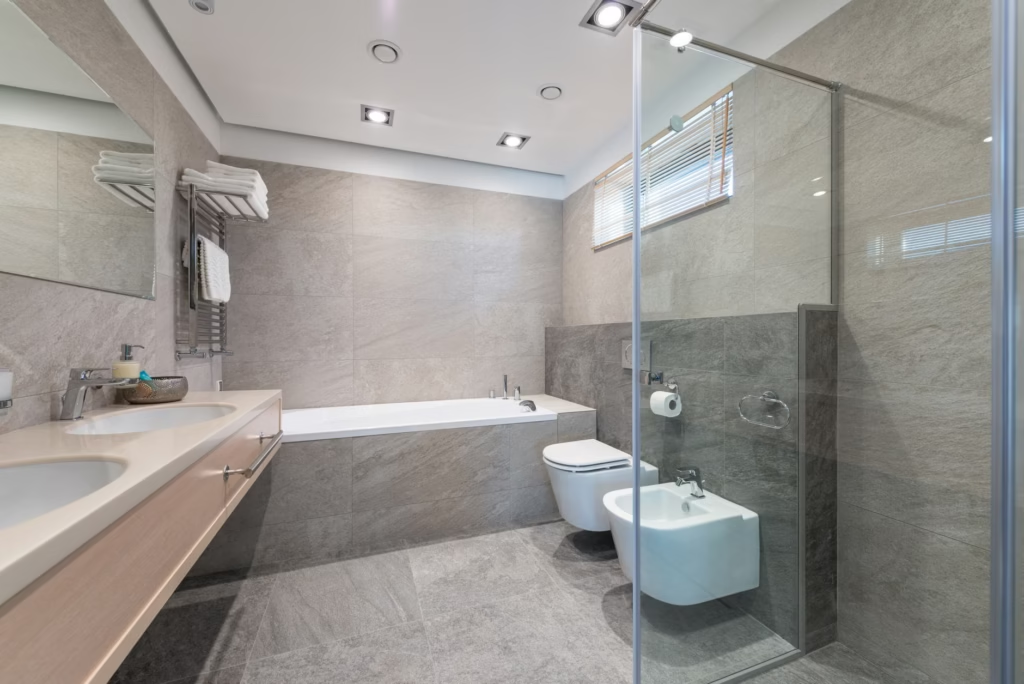
- Use the fan every time the shower runs, and keep it running afterward. EPA recommends a bathroom exhaust fan if you do not have one, and EPA’s remodeling guidance says it should exhaust directly outdoors. HVI recommends about 20 minutes of post-shower run time. (epa.gov)
- Watch humidity instead of guessing. EPA advises keeping indoor relative humidity below 60 percent, ideally between 30 and 50 percent, and notes that a small humidity meter can help verify conditions. (epa.gov)
- Help the room dry faster. EPA specifically recommends running the bathroom fan or opening a window while showering, and increasing ventilation or air movement by opening doors or windows when practical. (epa.gov)
- Fix leaks quickly and completely. EPA’s mold guidance repeatedly ties recurrence to unresolved plumbing leaks and other water problems, and renters are advised to report leaks and moisture issues promptly. (epa.gov)
- If you repaint after cleanup, treat paint as a finishing step, not the cure. CDC notes that mold inhibitors can be added to paint, but EPA is clear that the mold must be cleaned up and the surface dried before paint or caulk goes on. (cdc.gov)
In many homes, the single highest-value upgrade is not a specialty spray but a better ventilation routine. A timer switch, a properly ducted fan, or a repaired fan that actually moves air can do more to prevent recurring ceiling and grout mold than repeated spot-cleaning ever will. That is especially true in bathrooms without windows or in homes where multiple people shower back to back. (epa.gov)
Common mistakes that keep the problem alive
- Using stronger chemicals instead of finding the moisture source. EPA’s basic position is unchanged throughout its mold guidance: moisture control is the key. (epa.gov)
- Painting or caulking over discoloration before the area is clean and dry. EPA says that shortcut usually fails and can lead to peeling. (epa.gov)
- Assuming black color automatically means a different response. EPA says black mold is not a specific household decision category, and CDC says you do not need to know the type of mold to remove it safely. (epa.gov)
- Trusting fan noise as proof of ventilation. EPA says the fan must exhaust a sufficient amount of air directly outdoors. (epa.gov)
- Buying test kits before doing basic diagnosis. EPA says visible mold usually does not require sampling, and CDC does not recommend home mold testing for routine situations. (epa.gov)
How to tell whether the fix is working
A practical household standard is simple: after normal bathroom use over the next several weeks, the room should smell clean rather than musty, visible condensation should be less frequent, cleaned areas should stop re-spotting, and humidity should return to a normal range after the room airs out. If musty odor, bubbling paint, or repeat spotting returns in the same place, go back to the moisture source rather than repeating the same cleaning routine. This is an editorial rule of thumb built from EPA and CDC guidance on odor, visible moisture, and recurrence. (epa.gov)
Bathroom mold is rarely solved by one dramatic cleaning session. It is solved when the room dries predictably, leaks stay fixed, and vulnerable materials are no longer staying wet. Clean the surface carefully, but spend at least as much effort on humidity, exhaust, and hidden moisture. That is what actually keeps the mold from earning a return visit. (epa.gov)
Is bleach necessary for bathroom mold?
Not always. EPA’s basic cleanup advice for hard surfaces is detergent and water followed by complete drying. CDC says bleach can be used, but it should never be mixed with ammonia or other cleaners, and stronger mixtures are not the point. In many bathrooms, drying and ventilation are the deciding factors. (epa.gov)
Do I need to test whether it is black mold?
Usually not. EPA says visible mold generally does not need sampling, and CDC does not recommend routine home mold testing. EPA also notes that black mold is not a precise species label for household decision-making. The action is the same: remove the mold and fix the moisture problem. (epa.gov)
Can I clean mold off a painted bathroom ceiling?
Sometimes, yes, if the spotting is limited and the surface is still sound. But if the paint is peeling, the drywall feels soft, the seams are failing, or the area stays damp, cleaning alone is unlikely to last. EPA says drywall may be dried in place only when it is not swollen and the seams are intact. (epa.gov)
When does recurring bathroom mold suggest a hidden leak instead of ordinary condensation?
Be more suspicious when the mold keeps returning in the same localized patch, when there is a musty odor without an obvious surface source, when paint bubbles or drywall swells, or when staining clusters around plumbing paths or the exhaust area. EPA lists hidden mold around leaking or condensing pipes and in ceiling areas as a real possibility. (epa.gov)
What should renters do if the mold keeps coming back?
Report plumbing leaks and moisture problems promptly. EPA specifically advises renters to notify the owner, manager, or superintendent about leaks and moisture issues, and says persistent water problems may justify contacting local, state, or federal health or housing authorities. If the area is large, the material is damaged, or someone in the home has health concerns, push for a more formal response rather than repeated wipe-downs. (epa.gov)
References
- US EPA: What are the basic mold cleanup steps? – https://www.epa.gov/mold/what-are-basic-mold-cleanup-steps
- US EPA: A Brief Guide to Mold, Moisture and Your Home – https://www.epa.gov/mold/brief-guide-mold-moisture-and-your-home
- US EPA: Mold Cleanup in Your Home – https://www.epa.gov/mold/mold-cleanup-your-home
- US EPA: Is Sampling/Testing for Mold Necessary? – https://www.epa.gov/mold/samplingtesting-mold-necessary
- US EPA: Remodeling Your Home and Indoor Air Quality – https://www.epa.gov/indoor-air-quality-iaq/remodeling-your-home-and-indoor-air-quality
- CDC: Mold – https://www.cdc.gov/mold-health/about/
- CDC: Mold Clean Up Guidelines and Recommendations – https://www.cdc.gov/mold-health/about/clean-up.html
- Home Ventilating Institute: Bathroom Ventilation – https://www.hvi.org/resources/publications/bathroom-ventilation/