
Why Does My Vacuum Pick Up Well on Hard Floors but Leave Dirt Behind on Carpet?
Good hard-floor pickup doesn’t prove your vacuum is working well on carpet. Head contact, brush action, settings, and airflow offer different clues, and different fixes.

Good hard-floor pickup doesn’t prove your vacuum is working well on carpet. Head contact, brush action, settings, and airflow offer different clues, and different fixes.

Stop using a vacuum with an unexplained burning smell. Here’s how to separate an emergency from model-permitted checks, and what must happen before using it again.
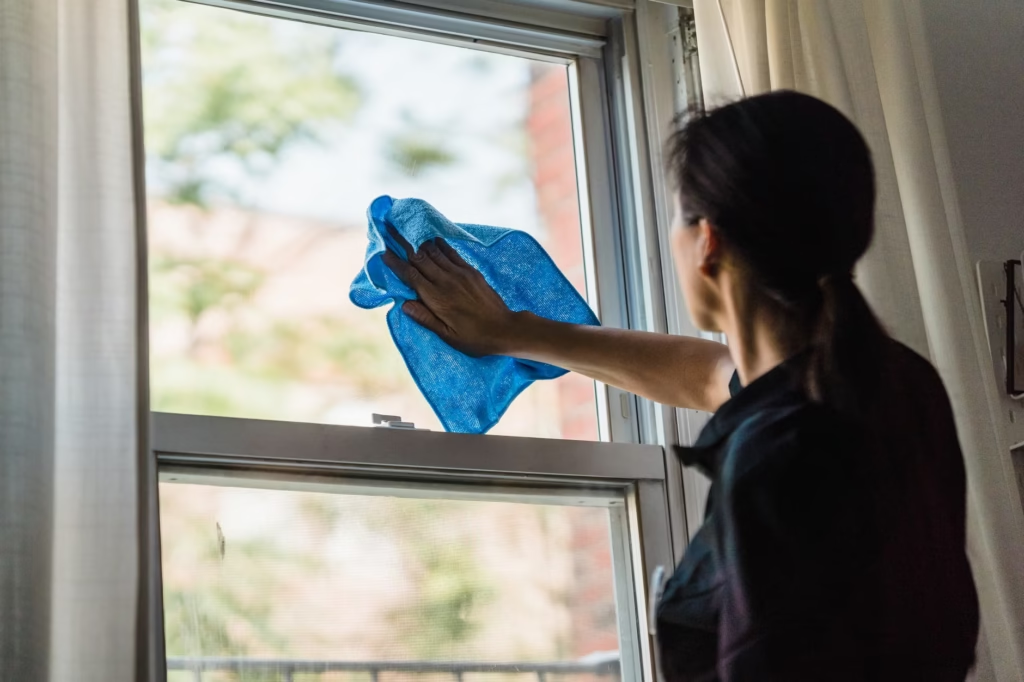
Smearing, poor absorption, and lint don’t automatically mean your microfiber cloths are worn out. Choose a compatible wash correction, check their intended job, and know when to stop trying to recover them.

Cleaning can remove food and reduce microbes, but it doesn’t certify a sponge for every job. Its contact history, condition, and next task matter more than a fresh smell.

Lint, streaks, stale odors, and missed debris can come from the tool rather than the surface. Use the after-clean result to decide whether to empty, rinse, wash, dry, or replace it.
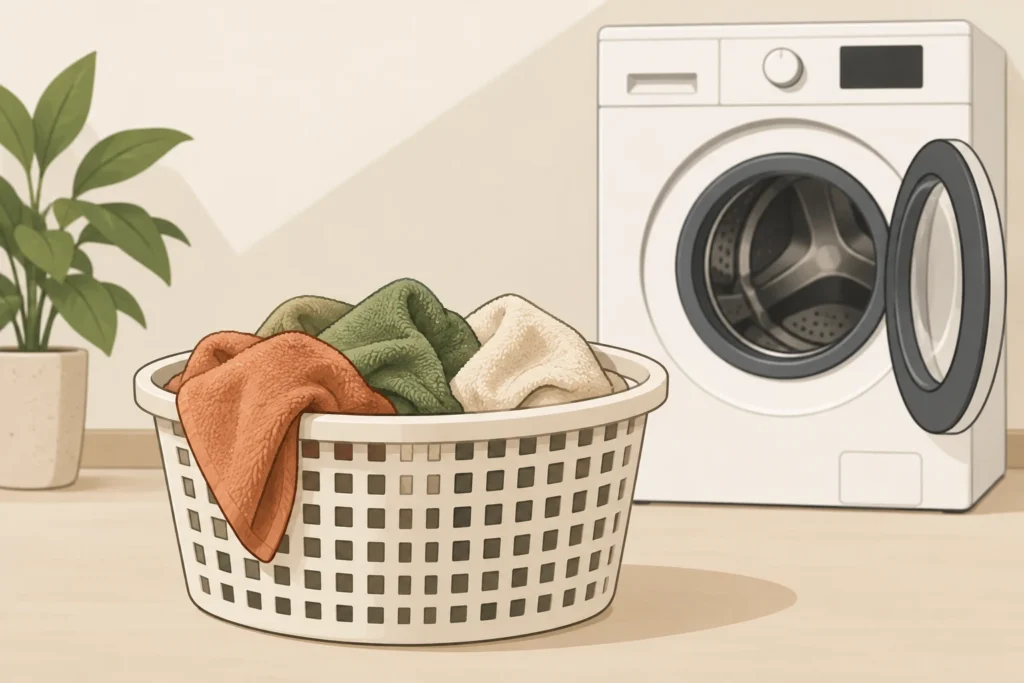
Separate cloths by what they touched, not just by room. Learn which can share a wash, how cotton and microfiber care differ, and when contamination needs a different response.
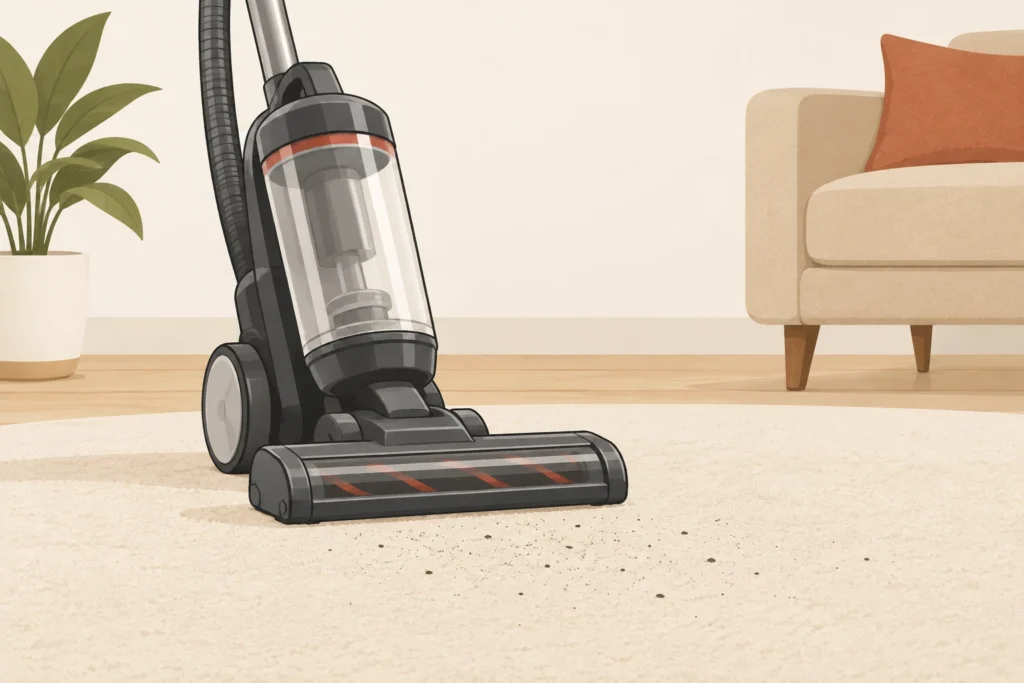
An empty bin rules out only one pickup problem. Separate floor-head settings and brush operation from blocked passages or filter restrictions before considering replacement.
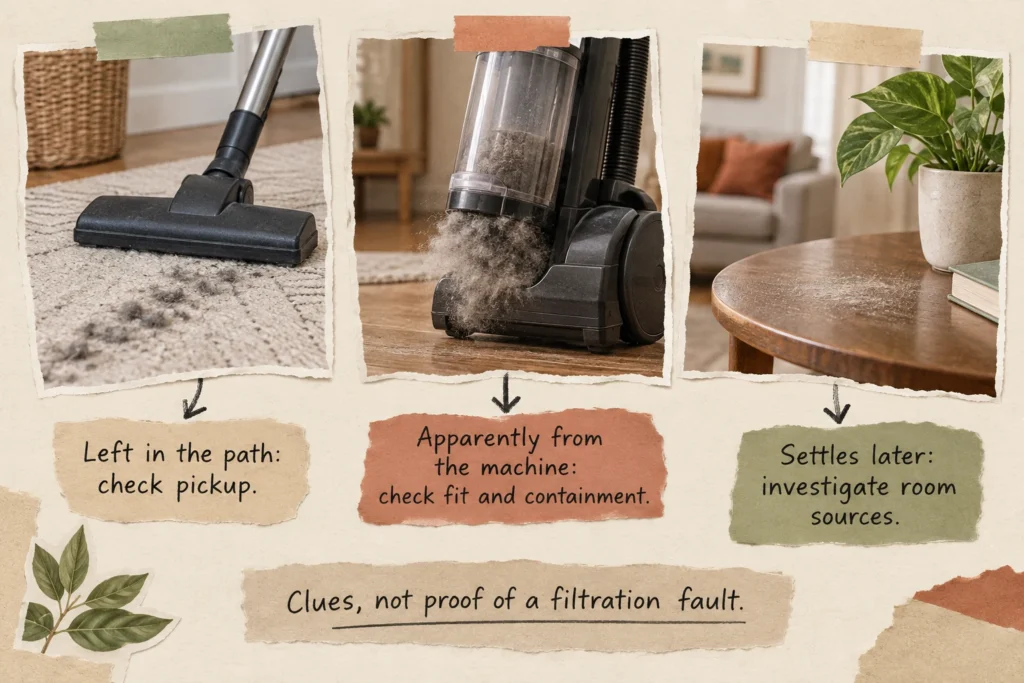
Dust left in the vacuum’s path, dust apparently escaping from the machine, and dust settling later call for different checks. Here’s how to narrow the problem before buying filters or replacing the vacuum.
If your microfiber cloths suddenly repel water, smear instead of clean, or feel “waxy,” they’re usually clogged—not dead. This guide shows how to diagnose the cause, restore absorbency step by step, and avoid the handful