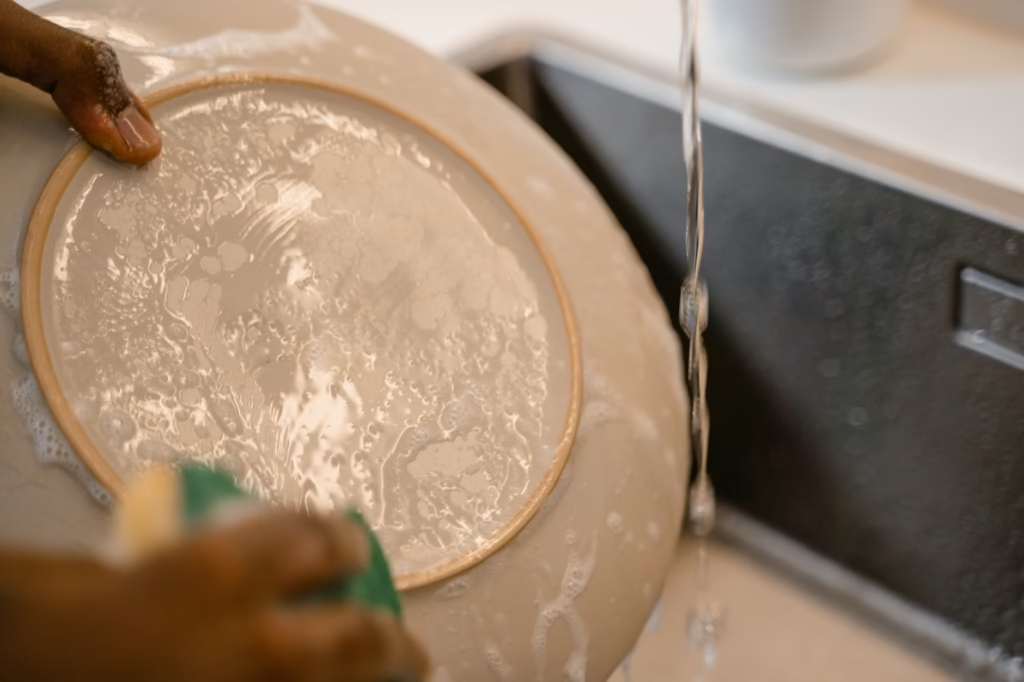
Why Does My Dishwasher Leave Dishes Wet, and When Is That Normal?
Wet plastics, pooled water in mug bases, and damp tub walls can be normal. A new change across glass and ceramic dishes deserves a closer, model-specific look.

Wet plastics, pooled water in mug bases, and damp tub walls can be normal. A new change across glass and ceramic dishes deserves a closer, model-specific look.
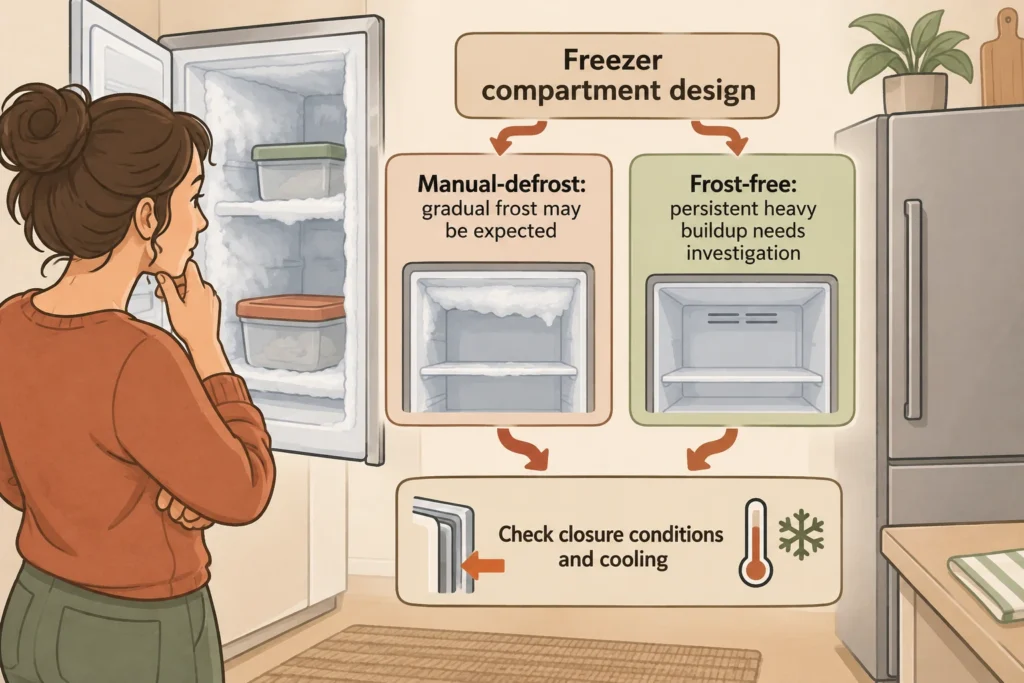
Frost doesn’t automatically mean a bad door seal. Start with your freezer’s defrost design, then use the location, closure conditions, and returning buildup to choose maintenance or service.
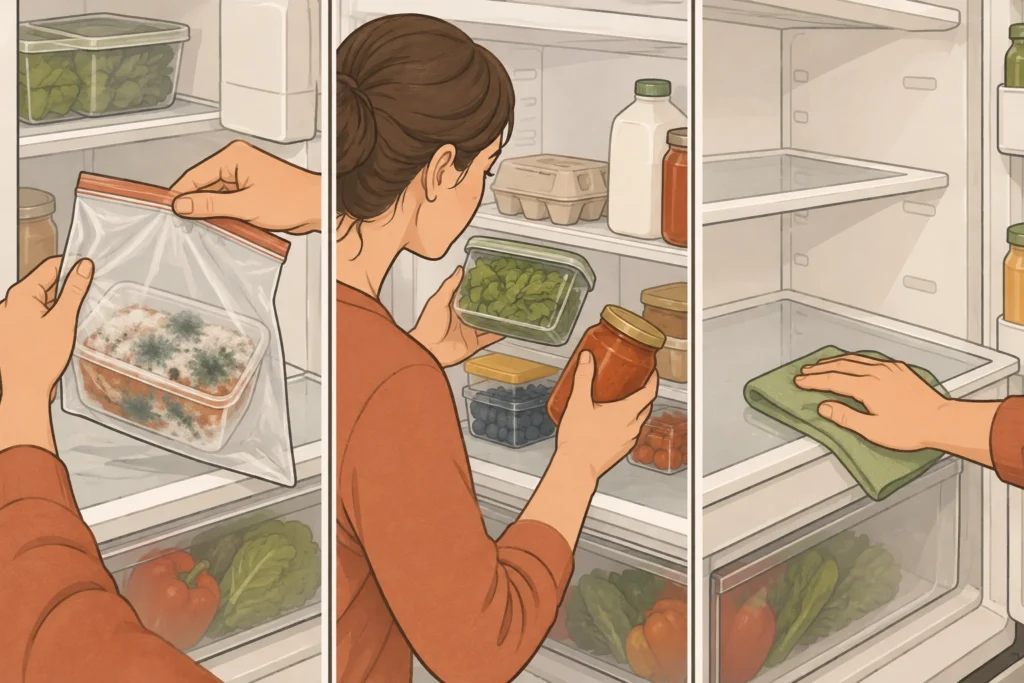
Handle moldy food first, then inspect nearby groceries and clean affected surfaces. Food type, direct contact, and your refrigerator’s material-care instructions matter more than sharing a shelf.
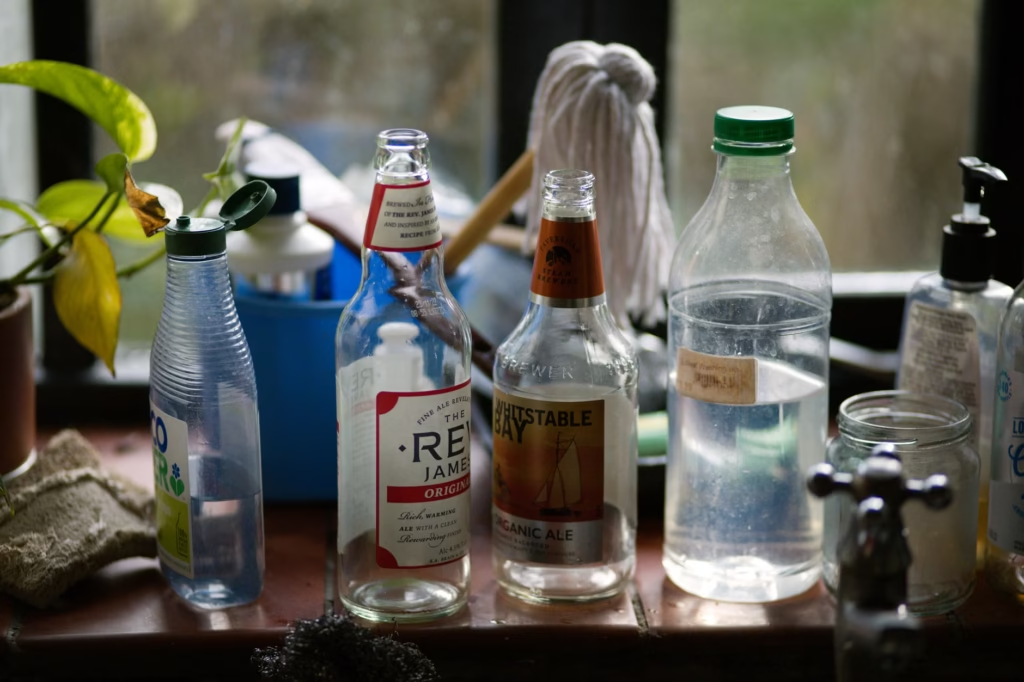
Trace where packaging, scraps, and full bags stop moving, then repair the blocked handoff before waste claims your counter and sink.
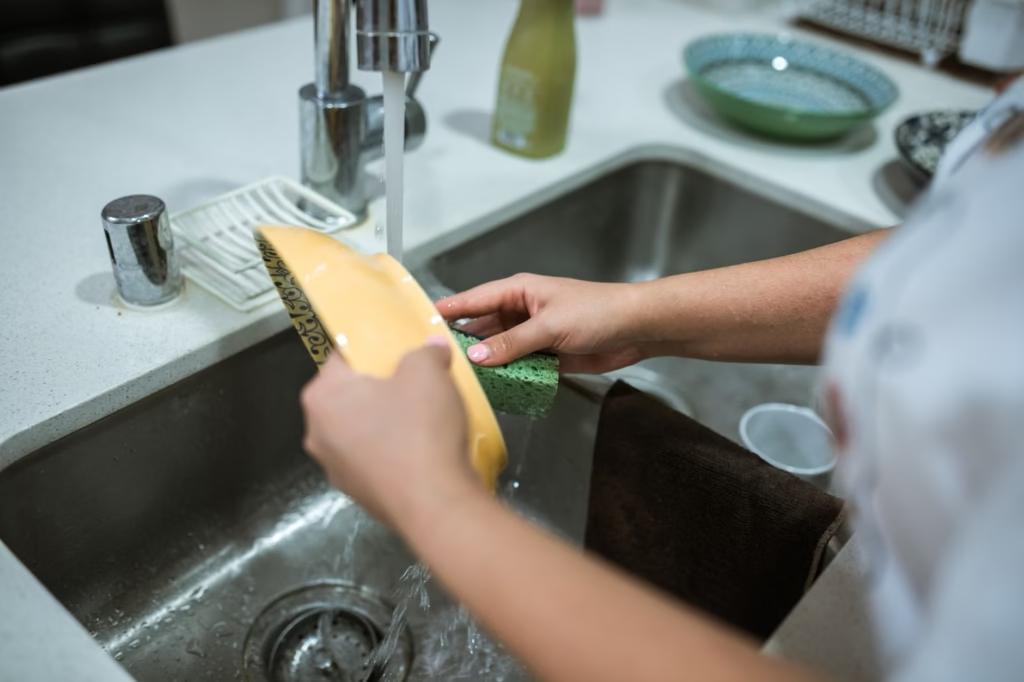
A practical daily kitchen reset that protects room to wash hands, prepare food, and handle the next meal even when some dishes must wait.
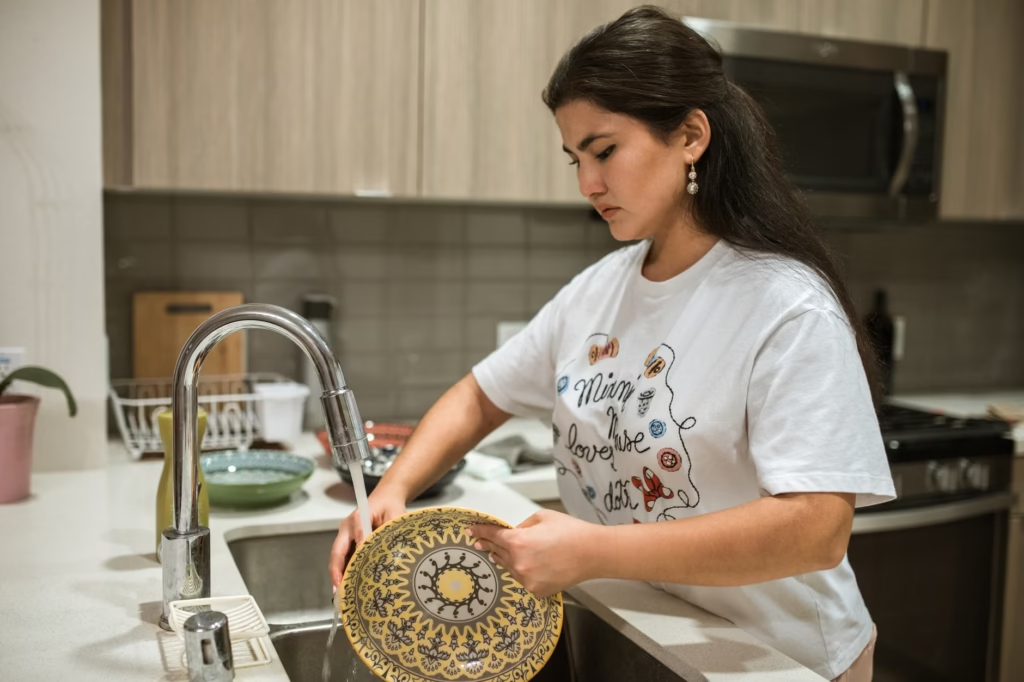
Where the greasy dishes sit can help you choose between a loading correction and a broader wash-performance check. Here’s what to look for, and when another cycle won’t help.
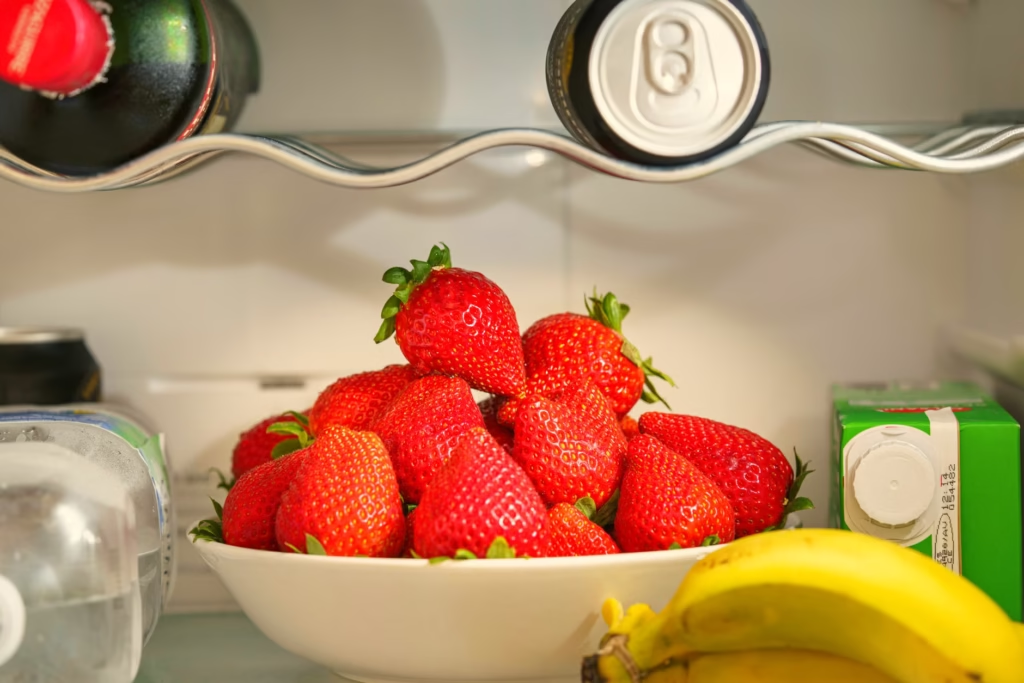
Contain the leak, trace where the juices traveled, and separate exposed food from contaminated packaging. Then clean and sanitize compatible surfaces while keeping unaffected food cold.
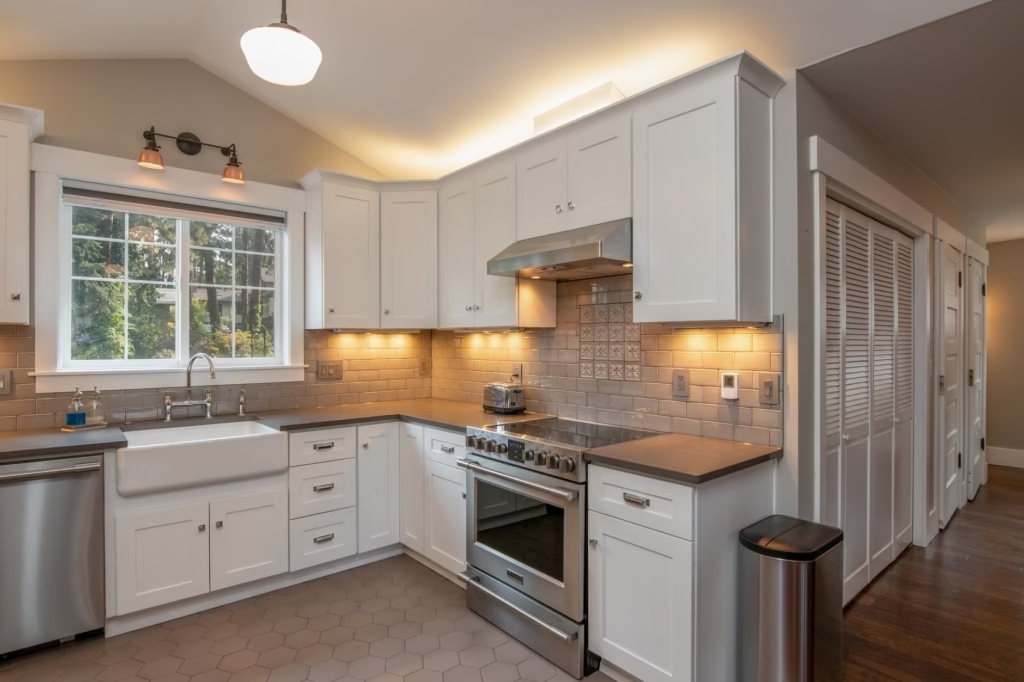
Identify the whole filter assembly before washing it. Then choose compatible grease removal, odor-filter replacement, or regeneration, and recognize when weak capture needs more than cleaning.
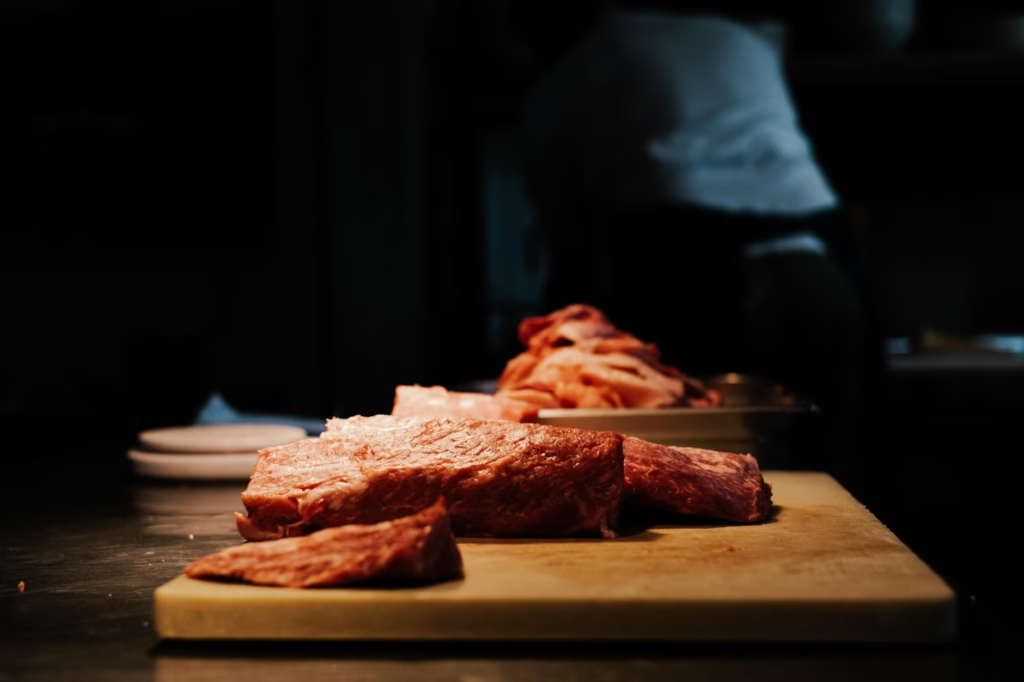
Wash first, then use a food-contact sanitizing treatment your board can tolerate. Here’s how to handle material exceptions and tell ordinary knife marks from wear that calls for replacement.
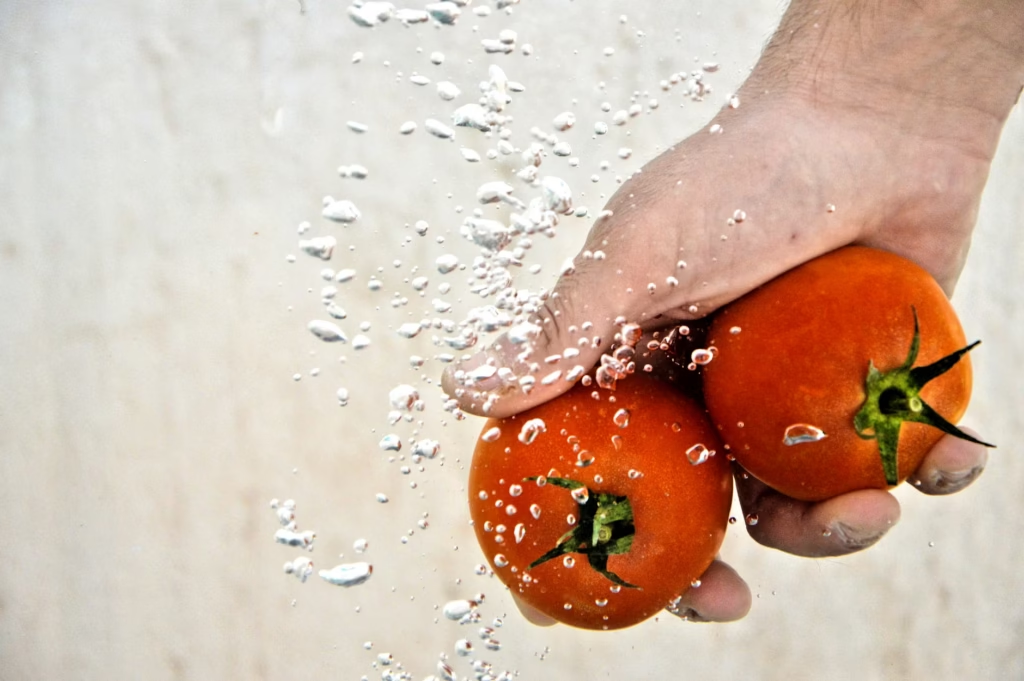
Use plain running water, not soap or commercial produce wash. Packaging, texture, and whether you will cut or store the produce determine what to do next.