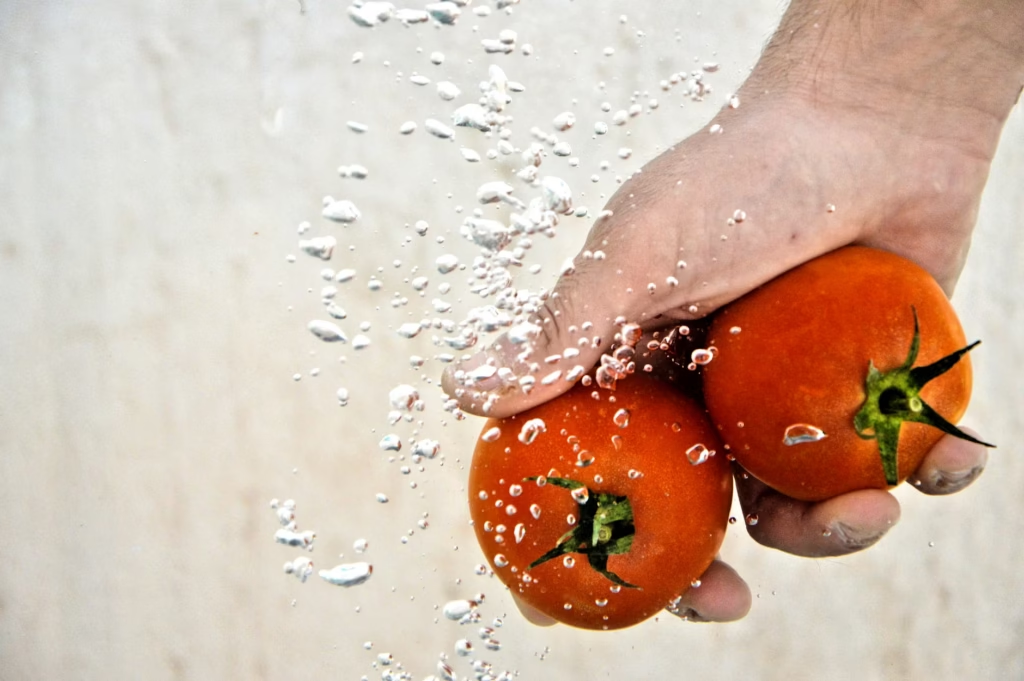
Should I Wash Fruits and Vegetables With Soap or Produce Wash?
Use plain running water, not soap or commercial produce wash. Packaging, texture, and whether you will cut or store the produce determine what to do next.

Use plain running water, not soap or commercial produce wash. Packaging, texture, and whether you will cut or store the produce determine what to do next.
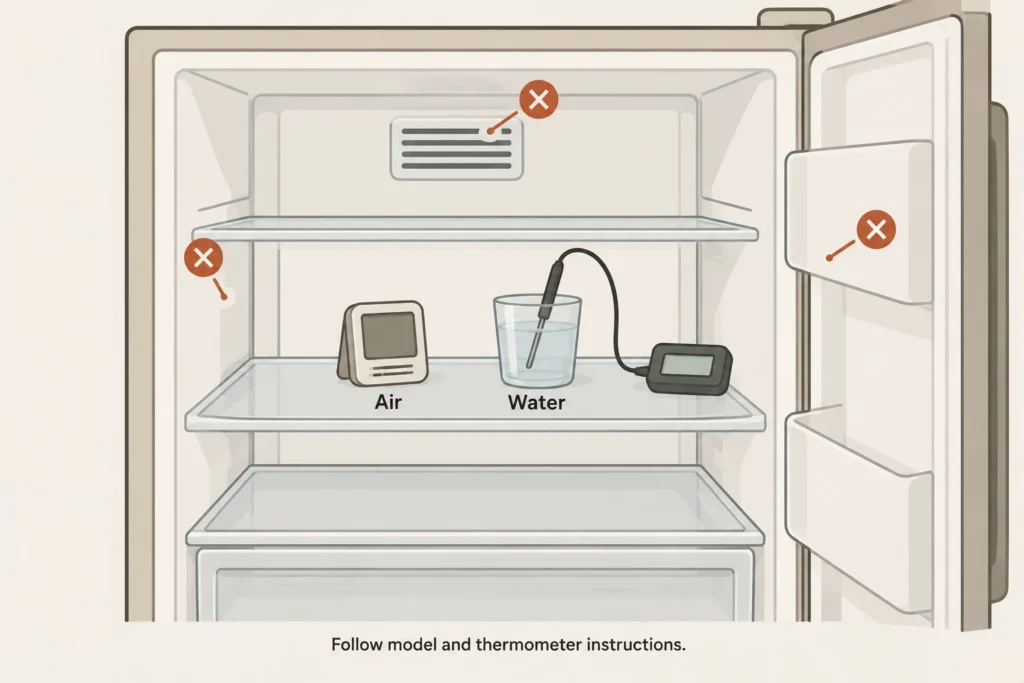
Keep your refrigerator at 40°F or below, but do not rely on the control setting alone. Learn where to measure, how long to wait, and when warm readings require food protection or appliance service.
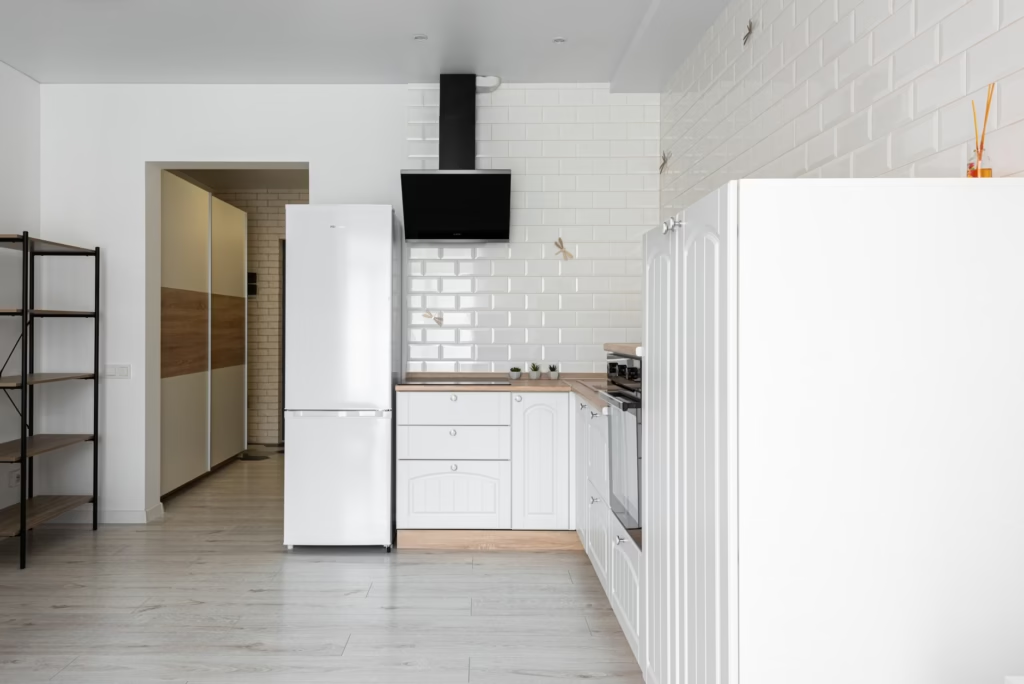
Organize your refrigerator around food safety, visibility, and spill control with one use-first zone and a quick check before restocking.
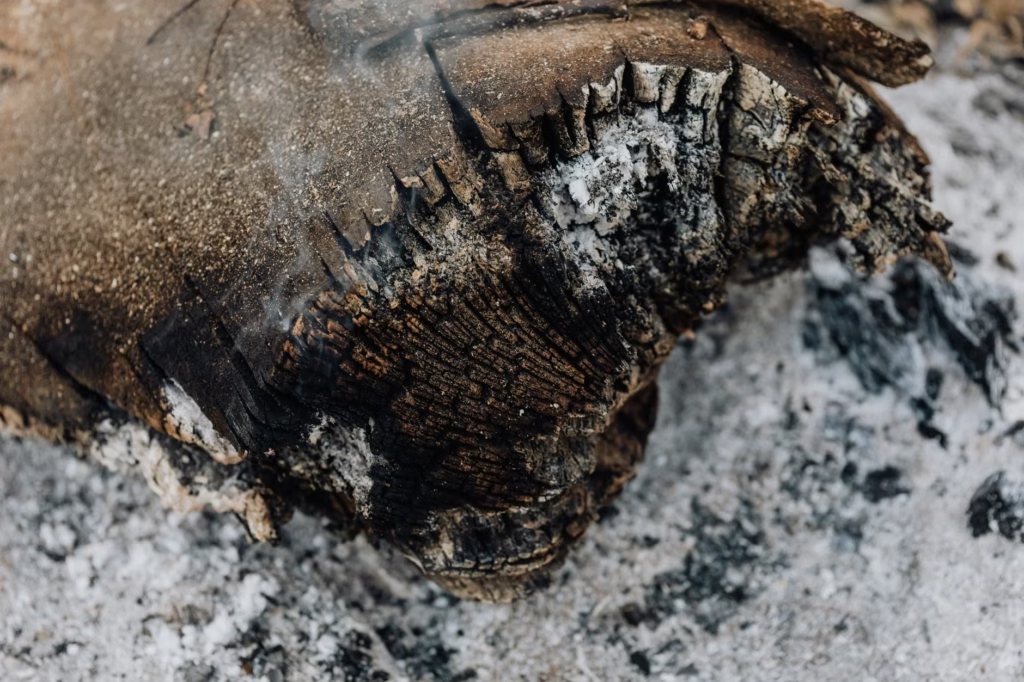
Freezer burn alone is a quality problem. Handling and temperature history decide safety; the remaining taste and texture decide whether to keep, trim, or toss.
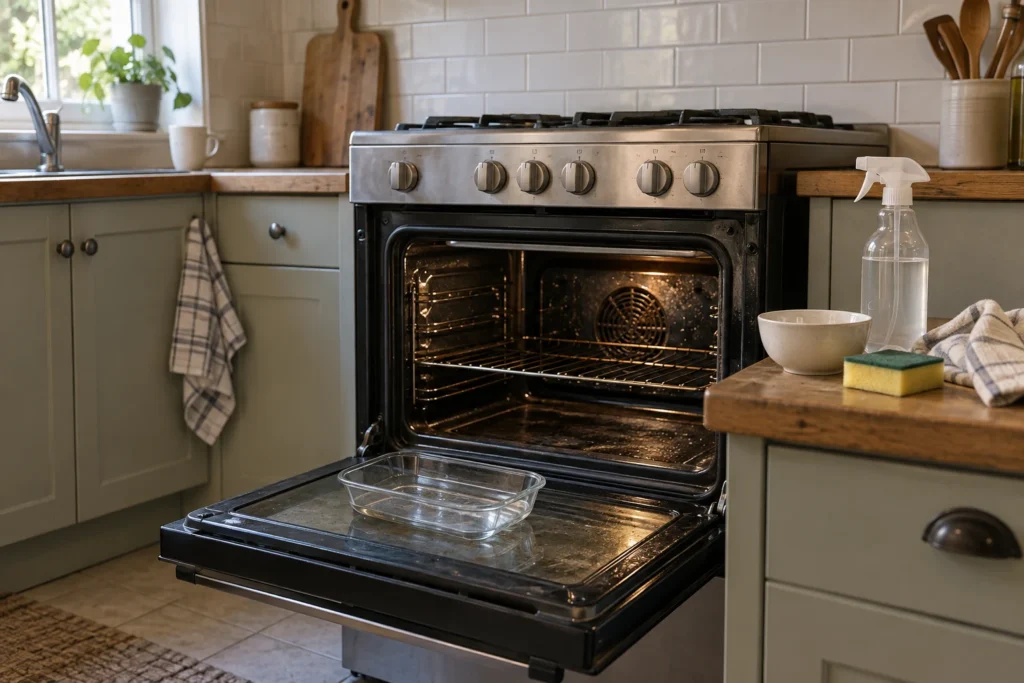
Choose the cleaning method your oven actually supports, then match it to the mess, household constraints, and total downtime, not just the cycle timer.
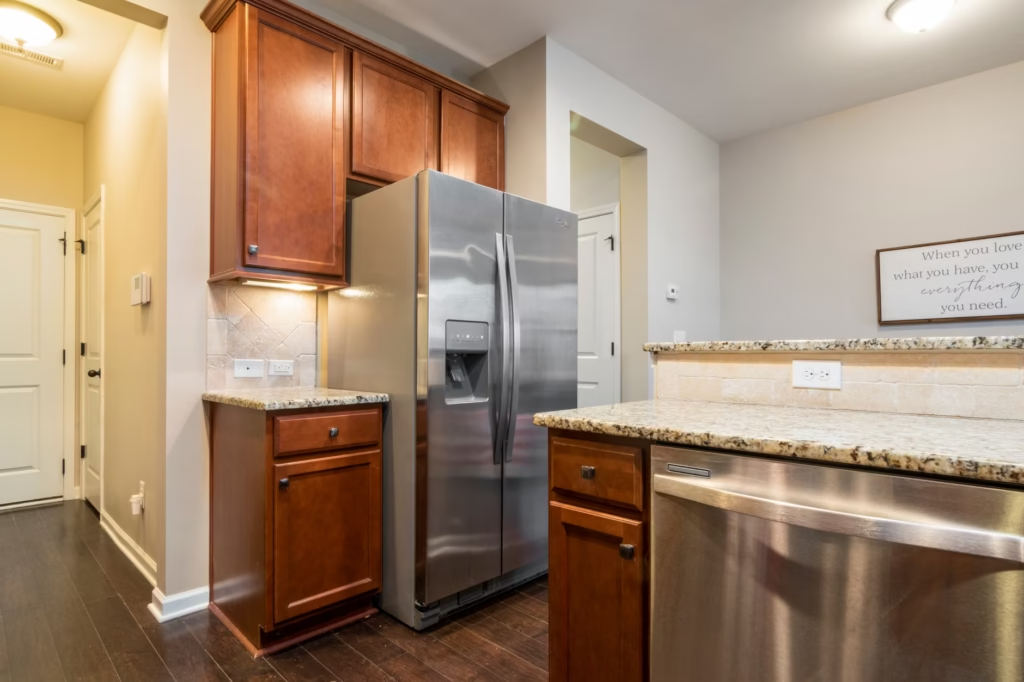
Use a finish-compatible method, protect seams and exposed edges, and judge a small cleaning test only after it dries. Here’s how to proceed when the cabinet finish is unknown, and when to stop.
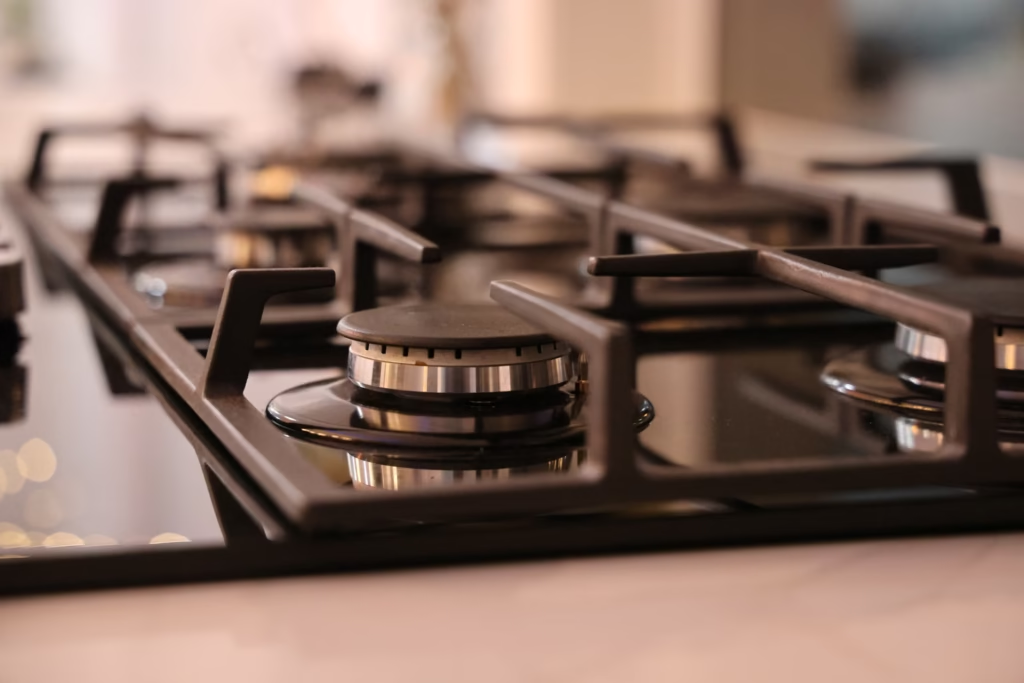
Cloudiness alone doesn’t prove damage. One model-compatible cleaning comparison can show whether some material is removable, and when more scrubbing has no useful purpose.
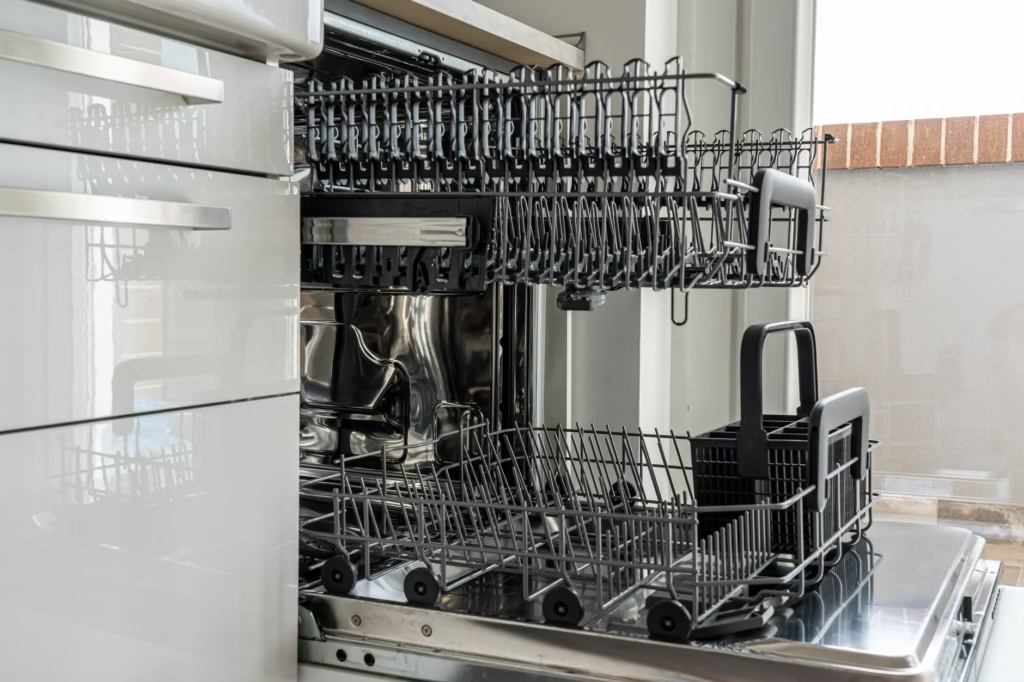
Uneven food removal can point to blocked spray access, nested dishes, or a setting mismatch. Use the affected shapes and positions to choose a controlled loading test before changing detergent or assuming a fault.

Sort refrigerated and frozen food using outage timing, credible temperature records, and food-specific exceptions, not smell or a cold reading after power returns.
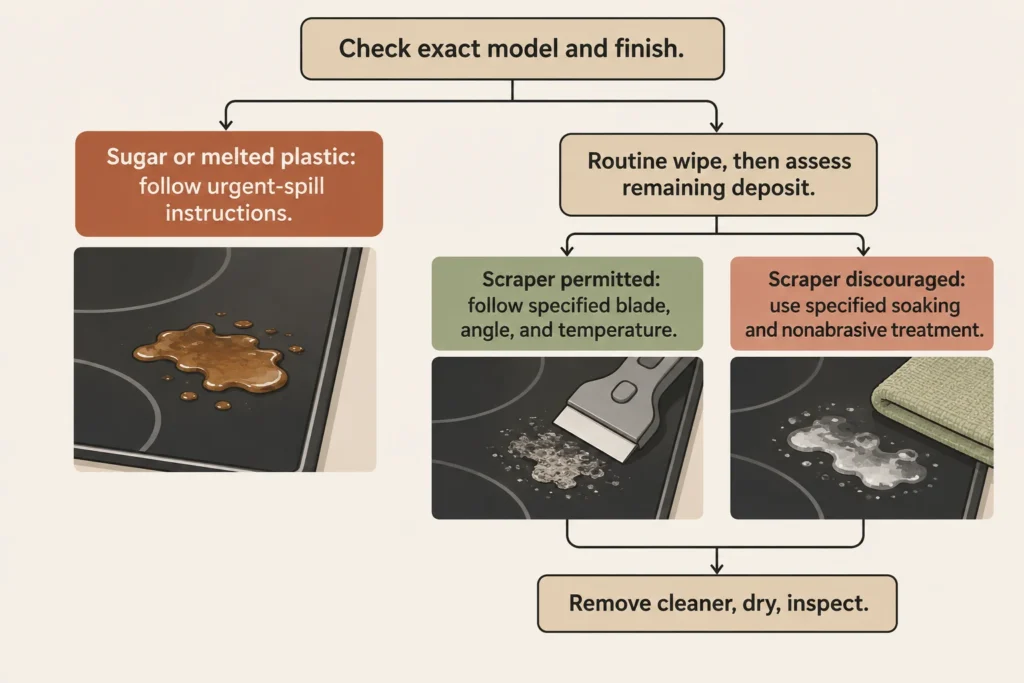
Separate routine wiping from stuck-on spill removal, check whether your exact surface permits a scraper, and recognize when a remaining mark needs assessment rather than more abrasion.