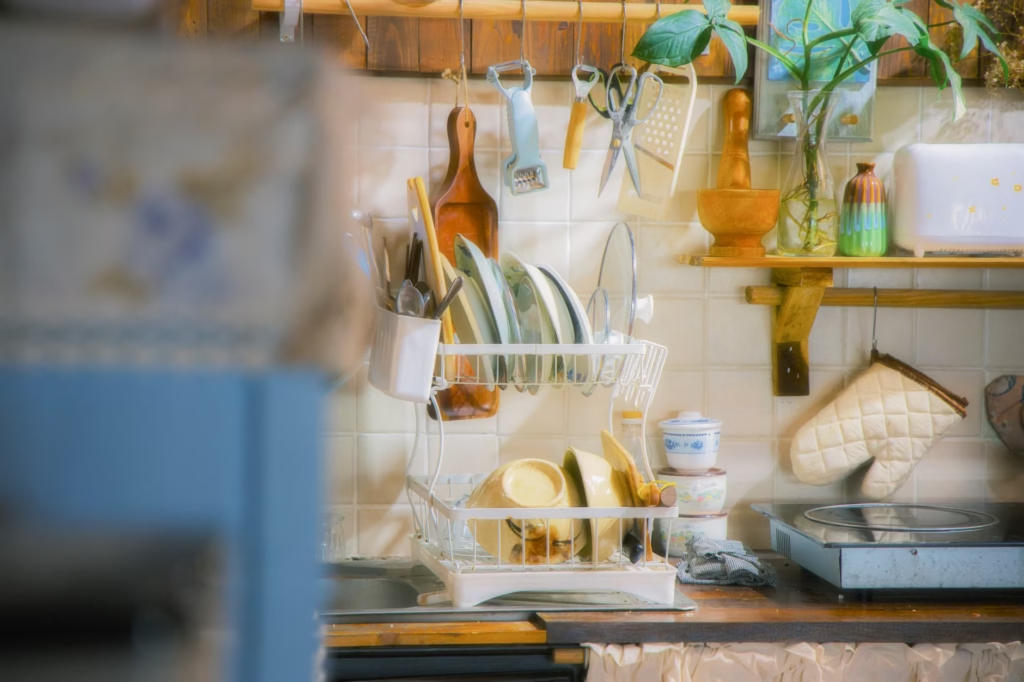
Can I Clean My Kitchen Sponge, or Do I Need to Replace It?
Cleaning can remove food and reduce microbes, but it doesn’t certify a sponge for every job. Its contact history, condition, and next task matter more than a fresh smell.

Cleaning can remove food and reduce microbes, but it doesn’t certify a sponge for every job. Its contact history, condition, and next task matter more than a fresh smell.
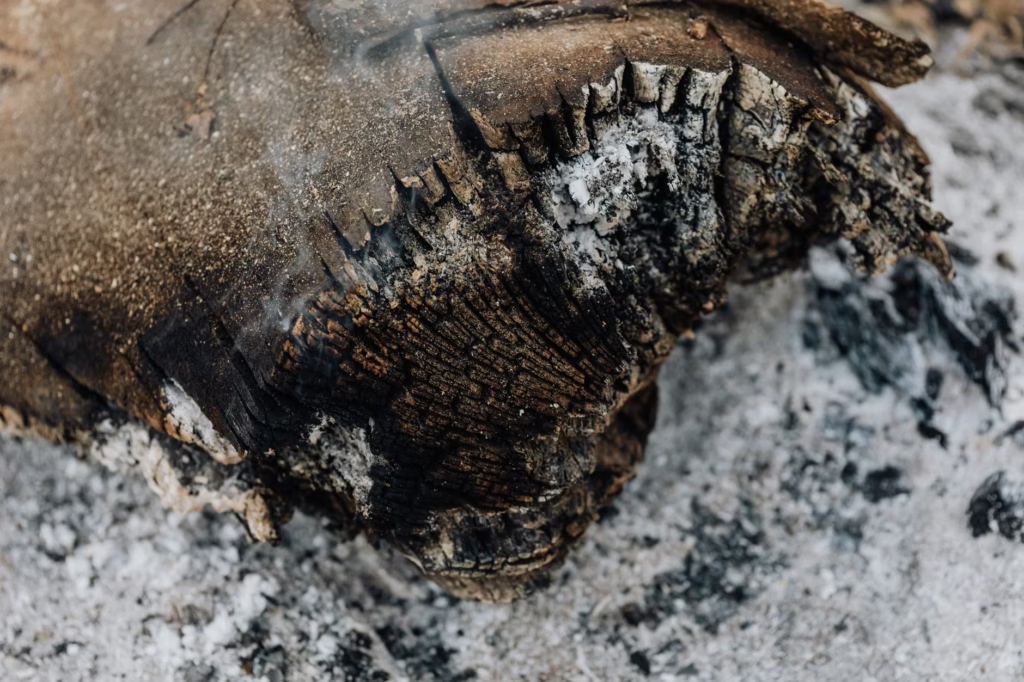
Freezer burn alone is a quality problem. Handling and temperature history decide safety; the remaining taste and texture decide whether to keep, trim, or toss.
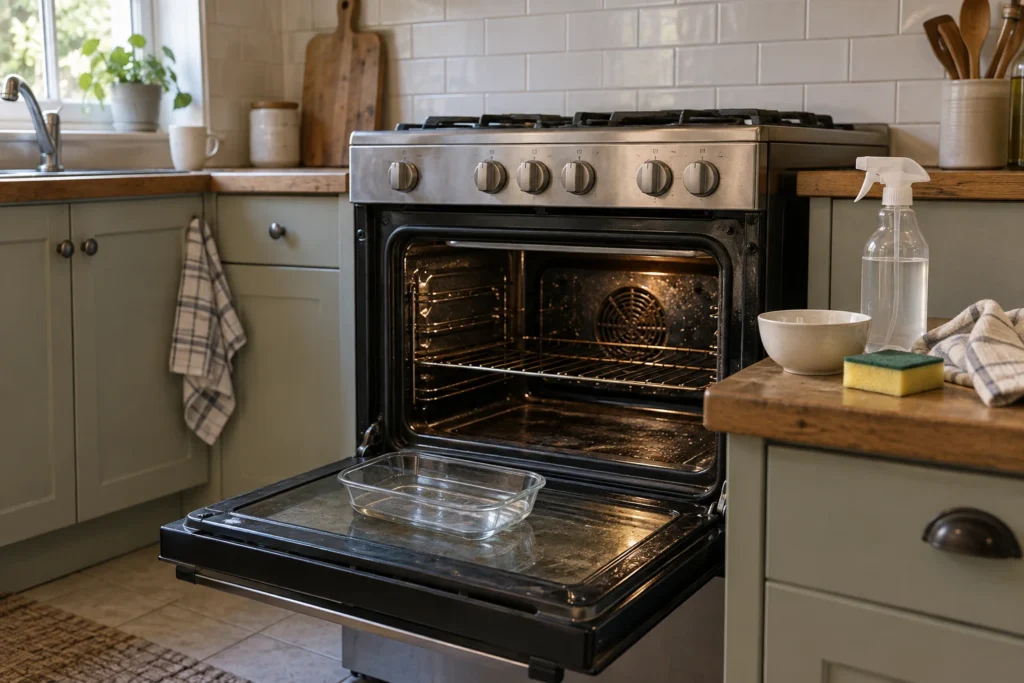
Choose the cleaning method your oven actually supports, then match it to the mess, household constraints, and total downtime, not just the cycle timer.

Use a finish-compatible method, protect seams and exposed edges, and judge a small cleaning test only after it dries. Here’s how to proceed when the cabinet finish is unknown, and when to stop.
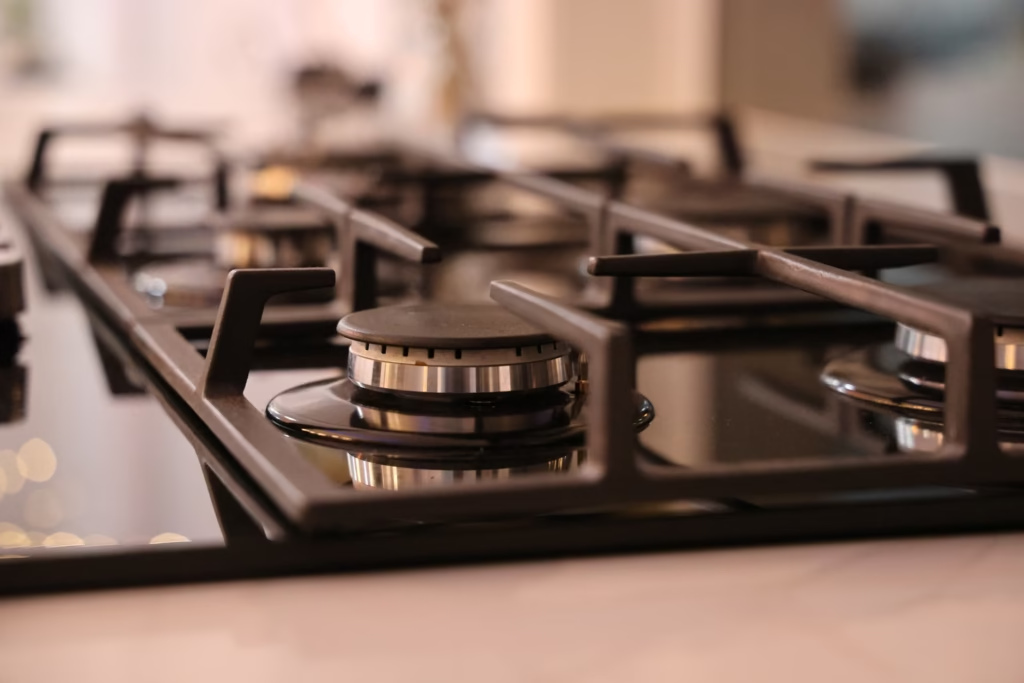
Cloudiness alone doesn’t prove damage. One model-compatible cleaning comparison can show whether some material is removable, and when more scrubbing has no useful purpose.

Lint, streaks, stale odors, and missed debris can come from the tool rather than the surface. Use the after-clean result to decide whether to empty, rinse, wash, dry, or replace it.
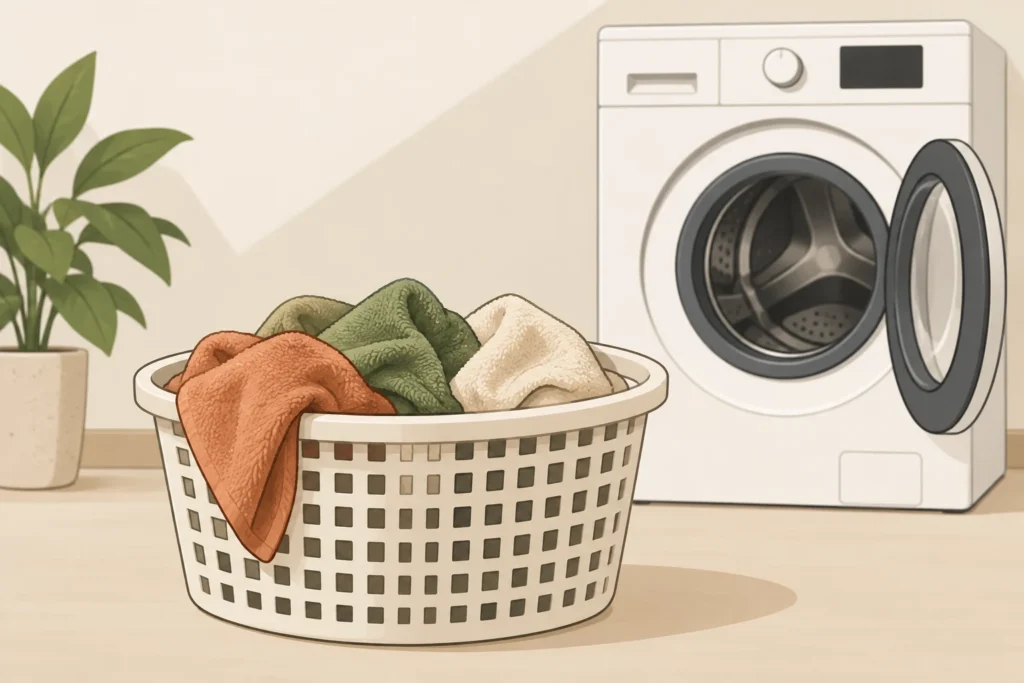
Separate cloths by what they touched, not just by room. Learn which can share a wash, how cotton and microfiber care differ, and when contamination needs a different response.
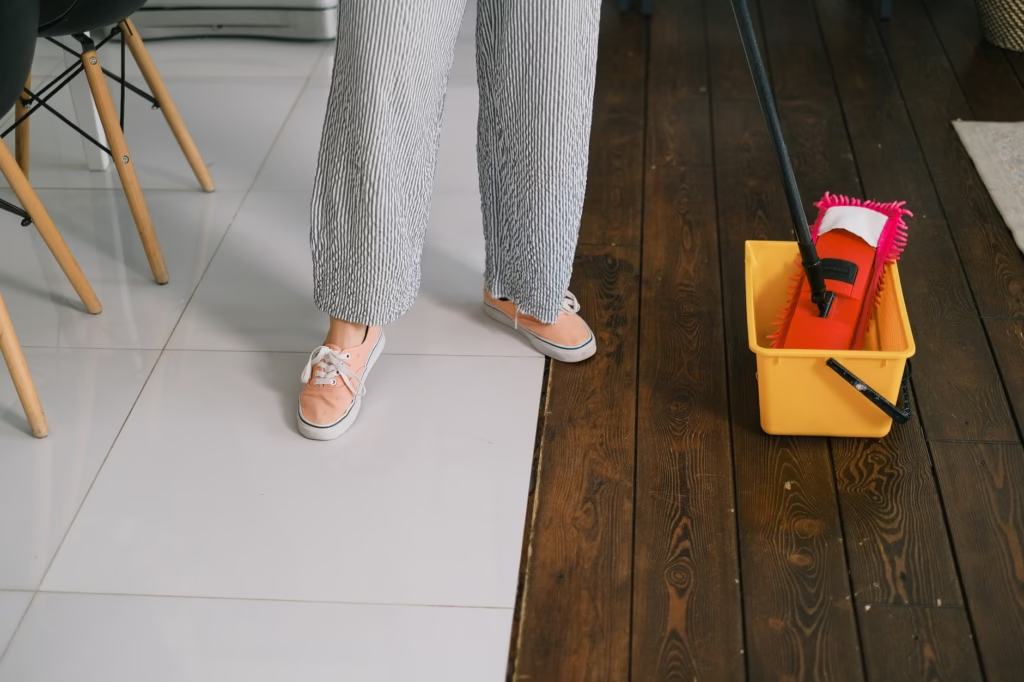
A freshly mopped floor can feel tacky because of cleaner residue, redistributed soil, a product mismatch, or a changed finish. Use one small, floor-approved test before mopping the whole room again.
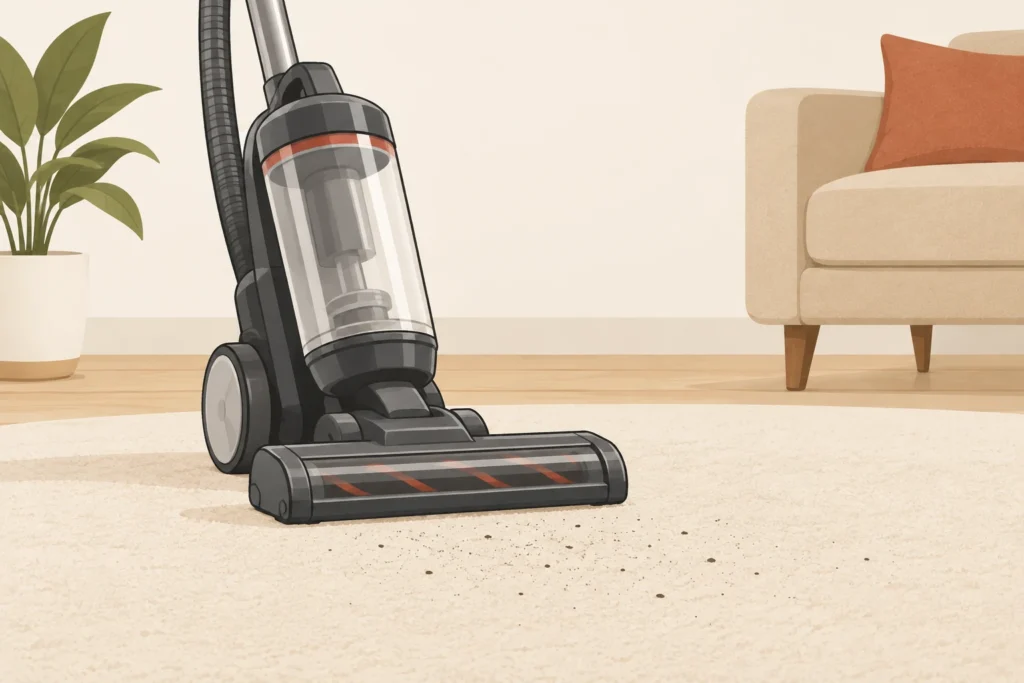
An empty bin rules out only one pickup problem. Separate floor-head settings and brush operation from blocked passages or filter restrictions before considering replacement.
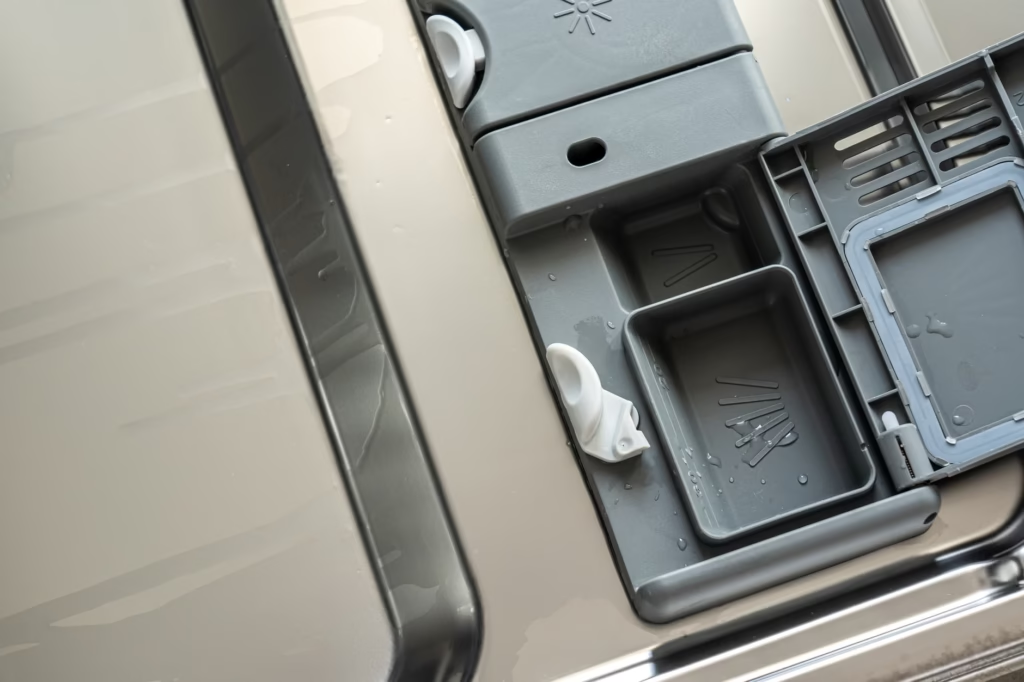
Leftover detergent doesn’t prove an inlet valve has failed. The compartment, cycle stage, product, and result of one corrected load can help you decide whether cleaning is enough or support is needed.