
Load Laundry for the Dryer, Not Just the Washer
A laundry load is only efficient if it can circulate, rinse, spin, and tumble properly. Use these clues to separate overloading from airflow or appliance trouble.

A laundry load is only efficient if it can circulate, rinse, spin, and tumble properly. Use these clues to separate overloading from airflow or appliance trouble.

Recurring smears, haze, and quick-returning grime may come from a residue loop. Test one small patch before reaching for a stronger cleaner.
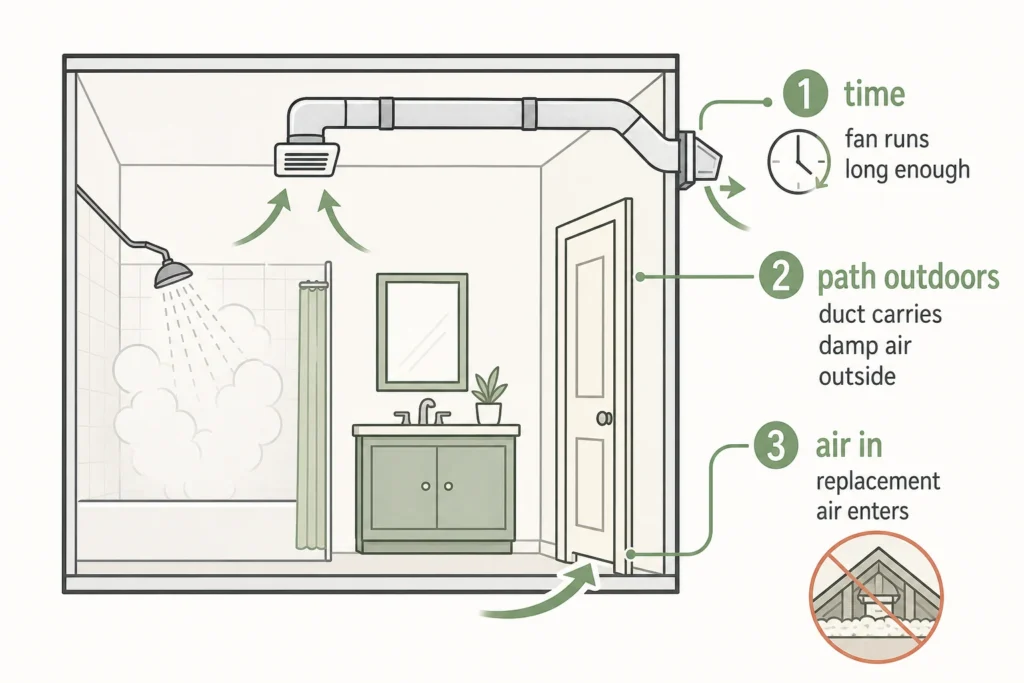
If the fan runs but the bathroom stays clammy, stop blaming the cleaner. Check run time, the room’s air path, accessible dust, and the signs that point to a duct or repair problem.

A stubborn mark does not always need stronger cleaner. Use a small, material-safe test to decide whether you are looking at removable soil, a worn finish, or damage that needs another kind of response.
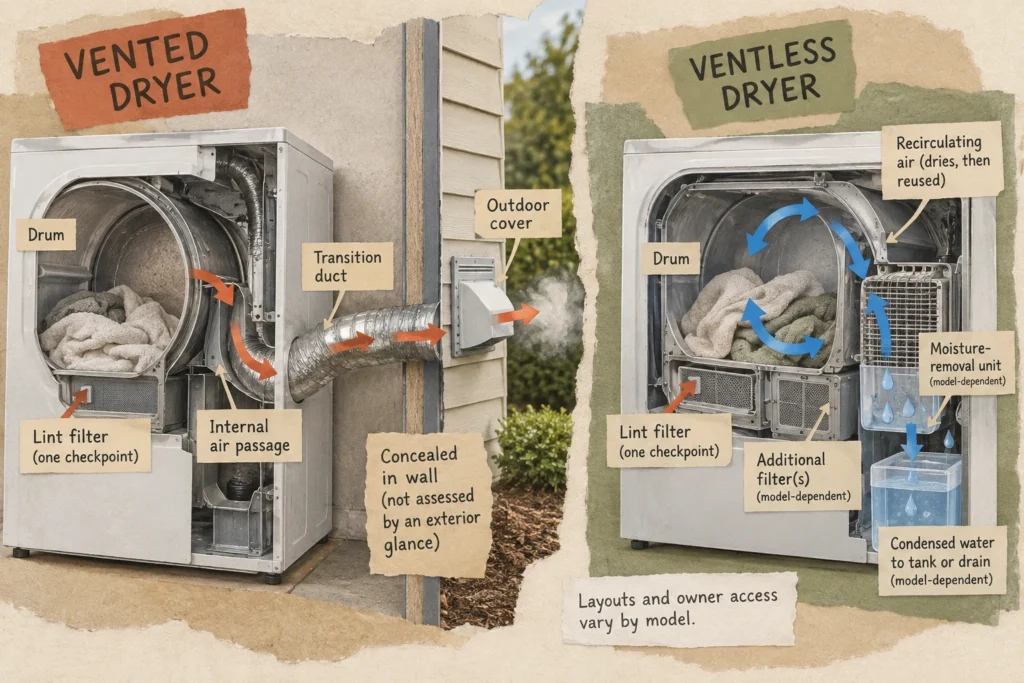
A clean lint screen doesn’t rule out restricted airflow. Here’s how dryer type, changed performance, and a few accessible clues can help you choose between a load correction, vent assessment, and appliance service.
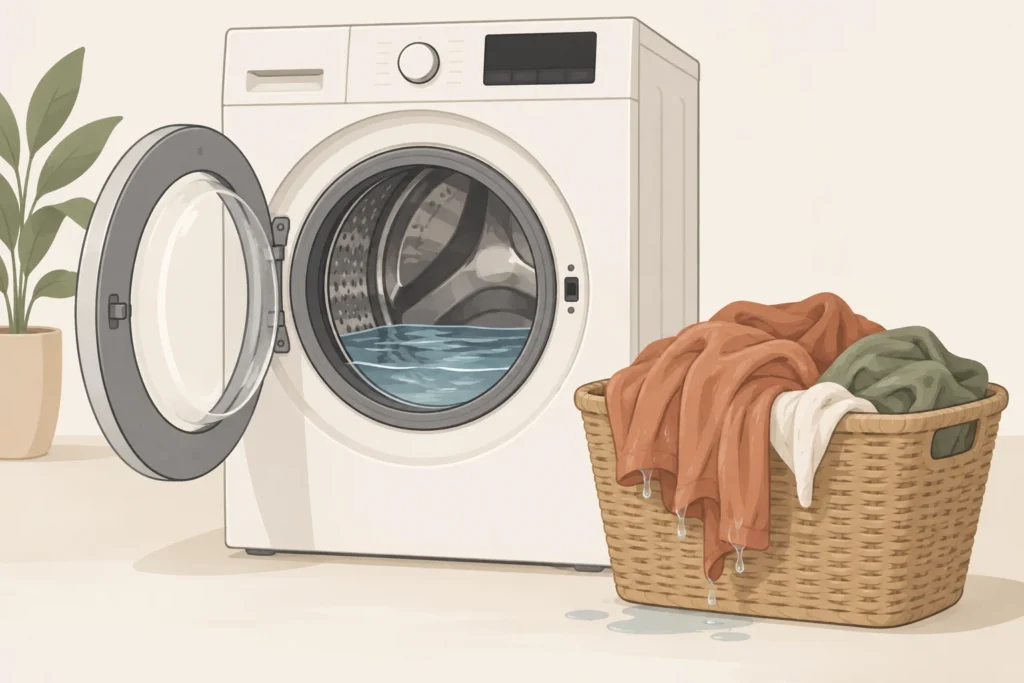
Separate retained tub water from wet clothing, then check errors, spin settings, and load balance before allowing one justified recovery attempt.

Where the greasy dishes sit can help you choose between a loading correction and a broader wash-performance check. Here’s what to look for, and when another cycle won’t help.

Track when an odor returns, where it is strongest, and what happened beforehand to choose a focused cleaning, appliance, moisture, ventilation, or plumbing response.

Contain the leak, trace where the juices traveled, and separate exposed food from contaminated packaging. Then clean and sanitize compatible surfaces while keeping unaffected food cold.

Contain soiled laundry, choose an illness-appropriate treatment that fits the fabric, and clean the surfaces touched during handling, without automatically adding an empty washer cycle.