
Why Does My Vacuum Pick Up Well on Hard Floors but Leave Dirt Behind on Carpet?
Good hard-floor pickup doesn’t prove your vacuum is working well on carpet. Head contact, brush action, settings, and airflow offer different clues, and different fixes.

Good hard-floor pickup doesn’t prove your vacuum is working well on carpet. Head contact, brush action, settings, and airflow offer different clues, and different fixes.

Stop flushing, shut off the supply if you can reach it safely, and check where the water went. Its source and the materials it reached, not its appearance, guide cleanup.

Stop using a vacuum with an unexplained burning smell. Here’s how to separate an emergency from model-permitted checks, and what must happen before using it again.

A correct-looking setting can hide a cold spot or broader overcooling. Compare temperatures where food freezes and in the middle before changing the controls.
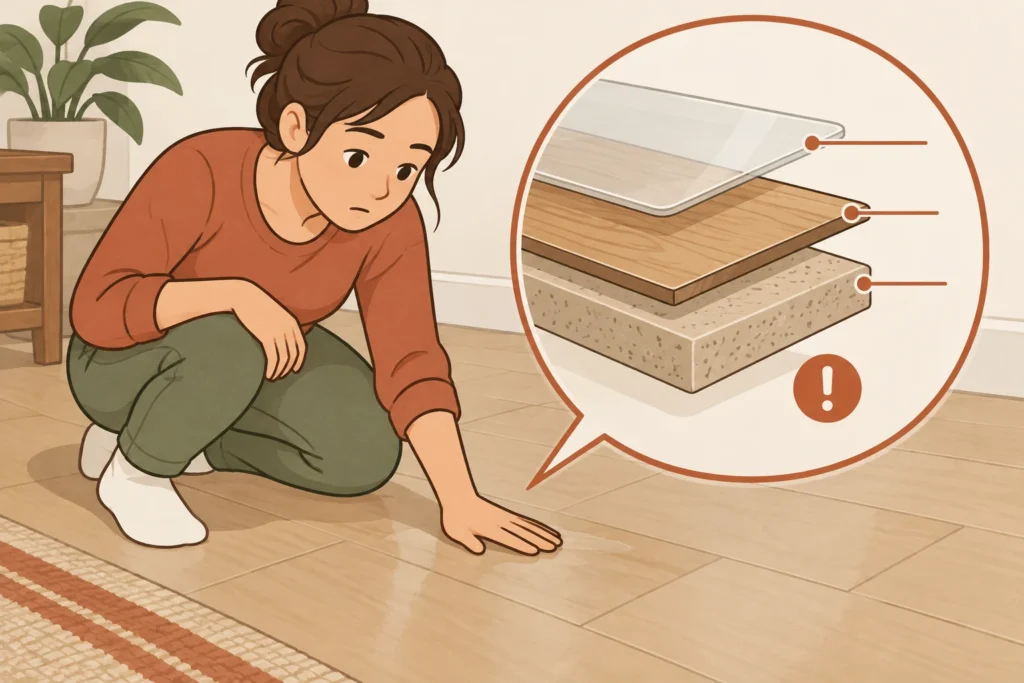
A sticky floor doesn’t automatically need another wet pass. Check the flooring, its finish, and the cleaner directions before trying a small correction.

Lift cooking grease without trading it for dull patches, shiny spots, or swollen edges. Here’s how to choose a compatible cleaner, test it properly, and recognize when to stop.

Low heat changes one drying condition, not a garment’s tendency to change size. Here’s how fabric construction, washing, and dryer controls affect the result, and what’s realistic to recover.
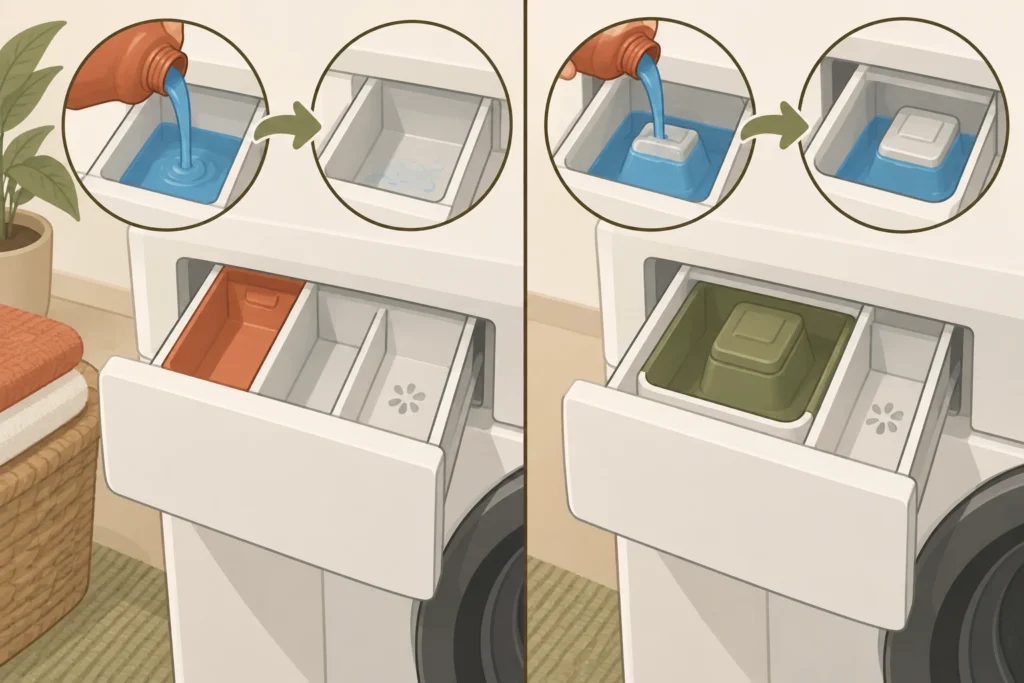
Leftover detergent doesn’t automatically mean a failed dispenser. Here’s how to distinguish stored product from an unused dose, check the drawer setup, and recognize when service makes sense.
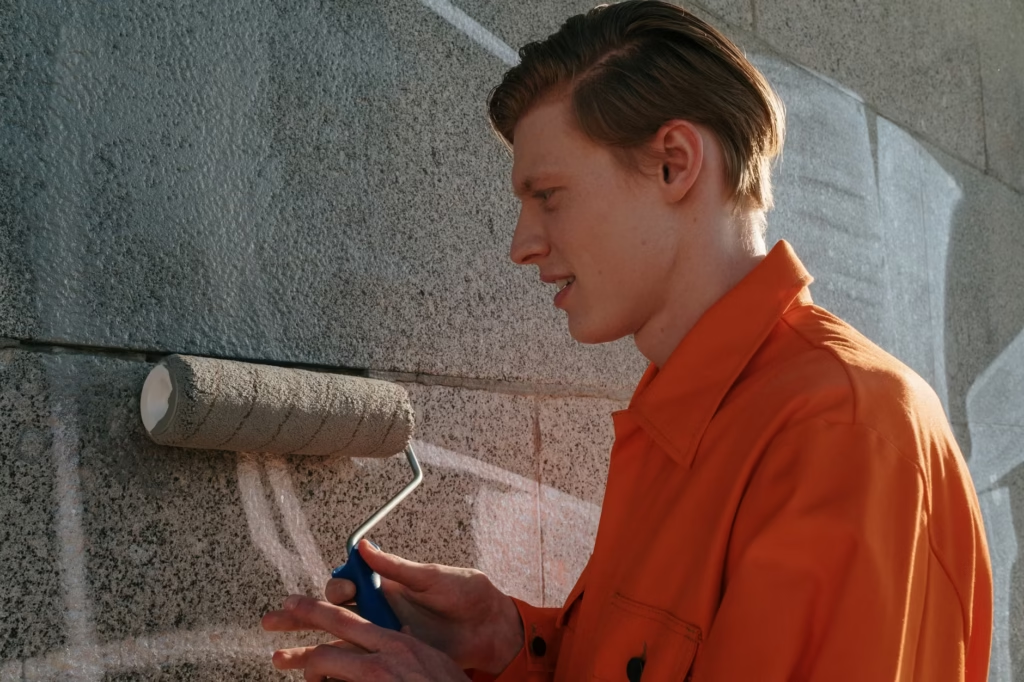
Test the complete cleaning method, then judge the wall after drying. A mark that disappears is not a successful result if rubbing changes the paint’s color or sheen.
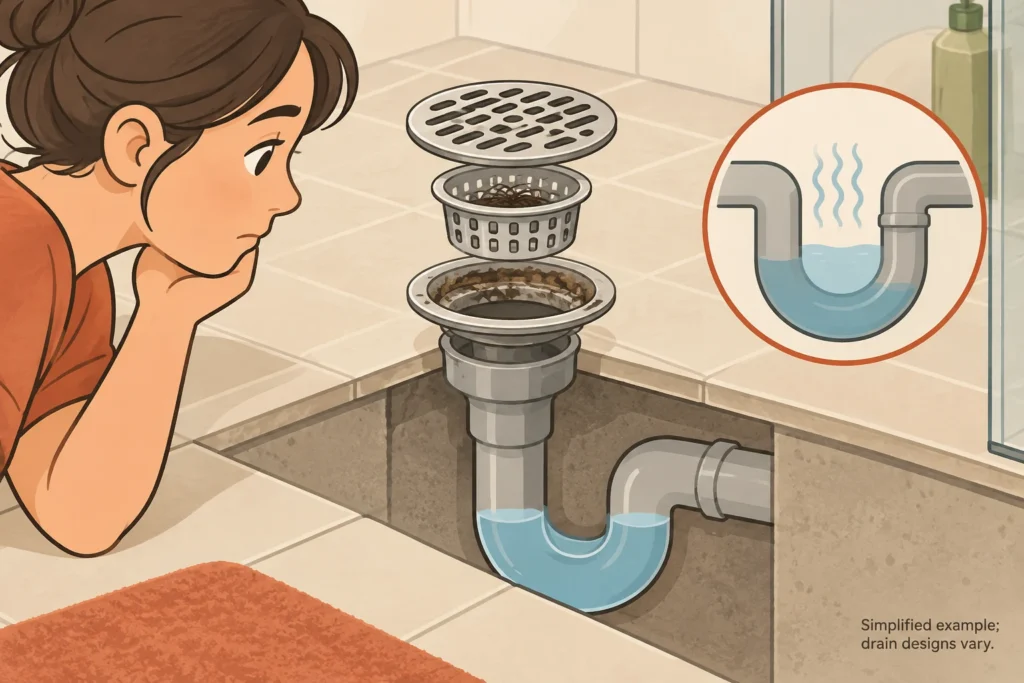
Reachable hair and soap residue justify cleaning. An unused shower, recurring odor, or symptoms at several drains may call for a different response.