

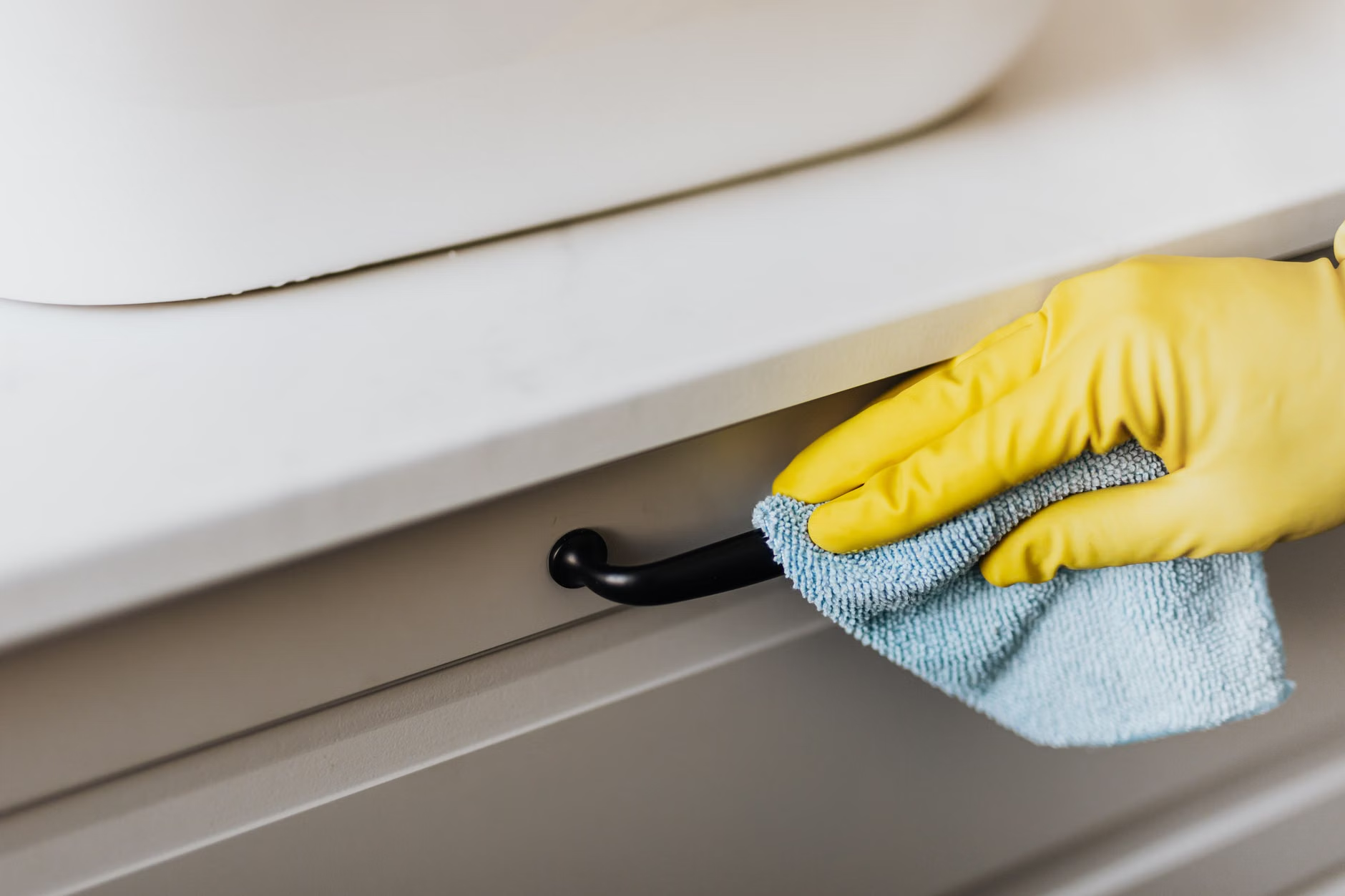
A bathroom can look better in a few minutes and still smell off by the end of the day. Usually, the problem is not a lack of fragrance. It is leftover residue, damp fabric, or moisture that never really dries out. Fast results come from cleaning in the right order, then removing the wet spots that keep feeding odor. That matters because poorly ventilated bathrooms can encourage biological contaminants, and routine cleaning is usually enough for everyday upkeep unless there is a reason to disinfect. (epa.gov)
Work in a sequence that gives the cleaner time to do its job
The most common time-wasting mistake is starting with heavy scrubbing. A quicker approach is to create airflow, clear the clutter, spray the surfaces, and let the product sit while you handle easier tasks. If you are using a disinfectant rather than a basic bathroom cleaner, clean first and then follow the label directions, including how long the surface needs to stay wet. EPA notes that the product label tells you where the product can be used and how long it needs to work. (epa.gov)
- Turn on the exhaust fan or open the window, clear the counter, hang up damp towels, and empty the trash. Ventilation matters because moisture is one of the main reasons bathroom odors come back. (epa.gov)
- Spray the sink, faucet, toilet exterior, and shower or tub with one appropriate cleaner. Let it sit while you wipe the mirror. If you are disinfecting, keep the surface wet for the full label contact time. (epa.gov)
- Wipe the mirror first with a microfiber cloth so you are not dragging sink residue onto clean glass.
- Wipe the sink and counter, then move to the toilet tank, handle, seat, rim, and base. Save the dirtiest spots for last.
- Rinse or wipe the tub and shower surfaces, then squeegee or dry them if possible. Drying is what helps the room smell fresher later, not just cleaner right now.
- Finish with a quick floor pass around the toilet, vanity, and corners where splashes collect.
This kind of reset is not the same as a deep clean. It is meant to remove what the eye notices first and what the nose notices later. If the bathroom has heavy soap scum, stained grout, or mildew, that calls for a slower session. But for day-to-day upkeep, this order usually gets better results than simply using more product.
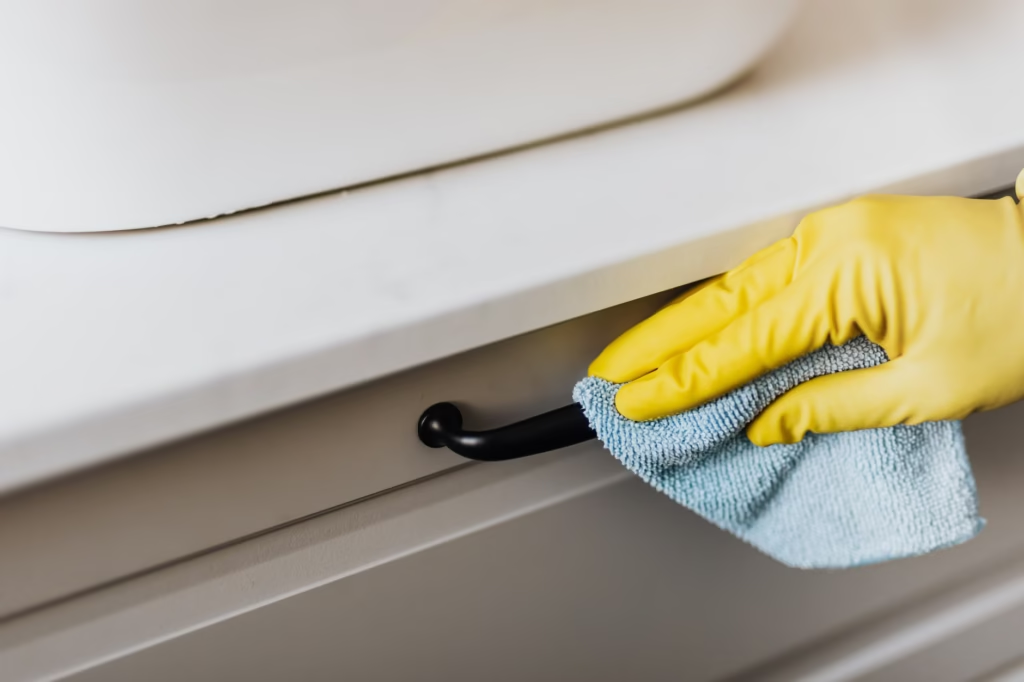
If the smell returns fast, track the source instead of adding more fragrance
When a bathroom smells fresh right after cleaning but feels stale again a few hours later, treat that as a clue. In most cases, something is staying damp or a grime-trapping spot is being skipped. EPA says moisture control is one of the most effective ways to improve indoor air quality, and poorly ventilated bathrooms can encourage biological contaminants. (epa.gov)
- Check towels and the bath mat first. If they still feel damp, they can make the whole room smell stale even after the sink and toilet are clean.
- Look at the shower curtain hem or the door track. Those areas collect water, soap film, and residue that often get missed in a hurry.
- Smell near the sink and shower drain openings. If the odor is stronger there, scrub the visible buildup around the drain instead of spraying the whole room again.
- Wipe the toilet hinges, the outside of the bowl, and the floor around the base. Those areas can cause more odor problems than the inside of the bowl alone.
- Wash the trash can, toilet brush holder, and plunger caddy occasionally. A clean room will not smell clean for long if the accessories are dirty.
A simple observation trick helps: smell close to likely trouble spots instead of judging the room from the doorway. If the odor is strongest near the toilet, clean around the seat hardware and base. If it is strongest near the shower, focus on damp surfaces and textiles. If the whole room smells musty, keep the fan running during and after showers and look for leaks or damp material inside the vanity or around the toilet. (epa.gov)
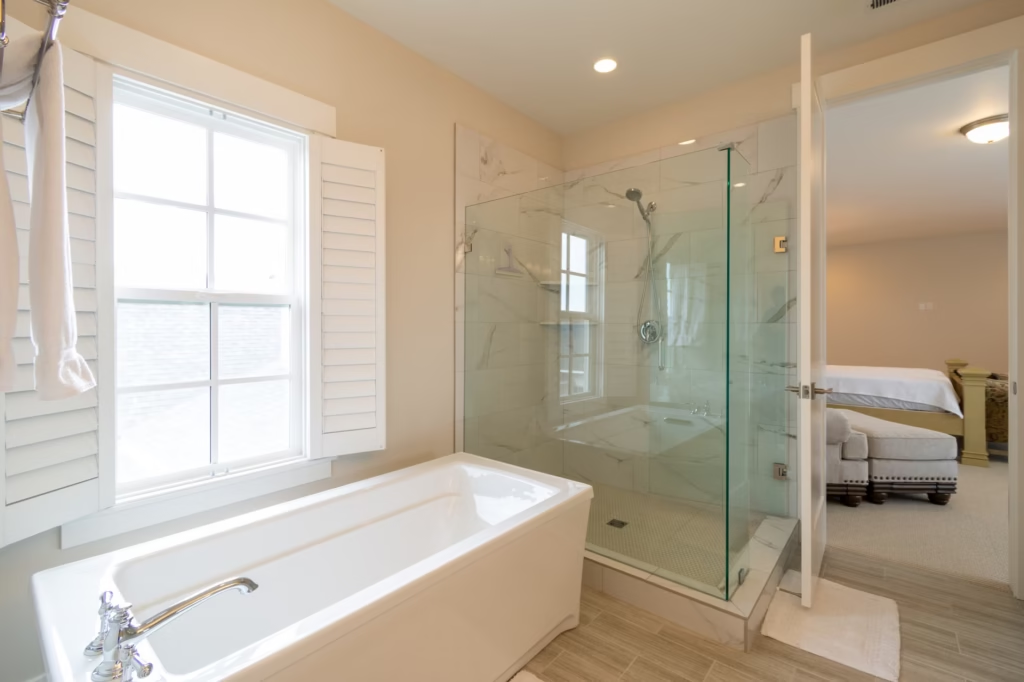
Keep the room smelling fresh with dryness first, fragrance second
A clean, dry bathroom usually smells better than one covered in strong spray. Fragrance can be a finishing touch, but it cannot solve damp towels, wet grout, or residue around fixtures. In many homes, a very short after-shower habit does more than a weekly burst of deodorizer: rinse the sink, hang towels flat, spread the shower curtain, and let the room dry out. (epa.gov)
Never mix bleach with ammonia or with another cleaner. CDC warns that dangerous vapors can be released, and both CDC and EPA advise using good ventilation and following product directions carefully. (cdc.gov)
Bleach is not the default answer for every fast clean. CDC says cleaning with soap or detergent and water is enough in most everyday situations, while disinfection is more targeted. When you do use a disinfectant, read the label for surface compatibility, wear gloves if the label calls for them, and do not wipe the product away too early or it may not work as intended. (cdc.gov)
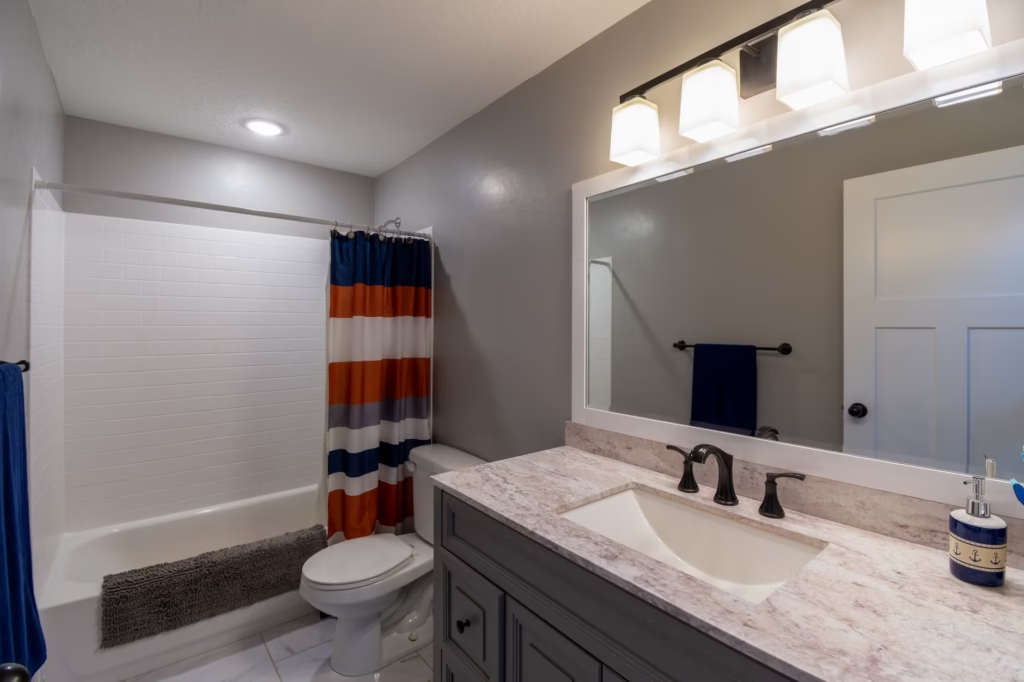
The quickest bathroom clean is really a smart reset: remove the obvious grime, dry the moisture that keeps odors alive, and pay attention to the one spot that keeps making the room smell off. Once that sequence becomes routine, keeping the bathroom fresh usually takes less effort than trying to rescue it with stronger products later.
References
- Centers for Disease Control and Prevention – Cleaning and Disinfecting with Bleach – https://www.cdc.gov/hygiene/about/cleaning-and-disinfecting-with-bleach.html
- Centers for Disease Control and Prevention – Ammonia Chemical Fact Sheet – https://www.cdc.gov/chemical-emergencies/chemical-fact-sheets/ammonia.html
- U.S. Environmental Protection Agency – Biological Contaminants and Indoor Air Quality – https://www.epa.gov/indoor-air-quality-iaq/biological-contaminants-and-indoor-air-quality
- U.S. Environmental Protection Agency – Selected EPA-Registered Disinfectants – https://www.epa.gov/pesticide-registration/selected-epa-registered-disinfectants