

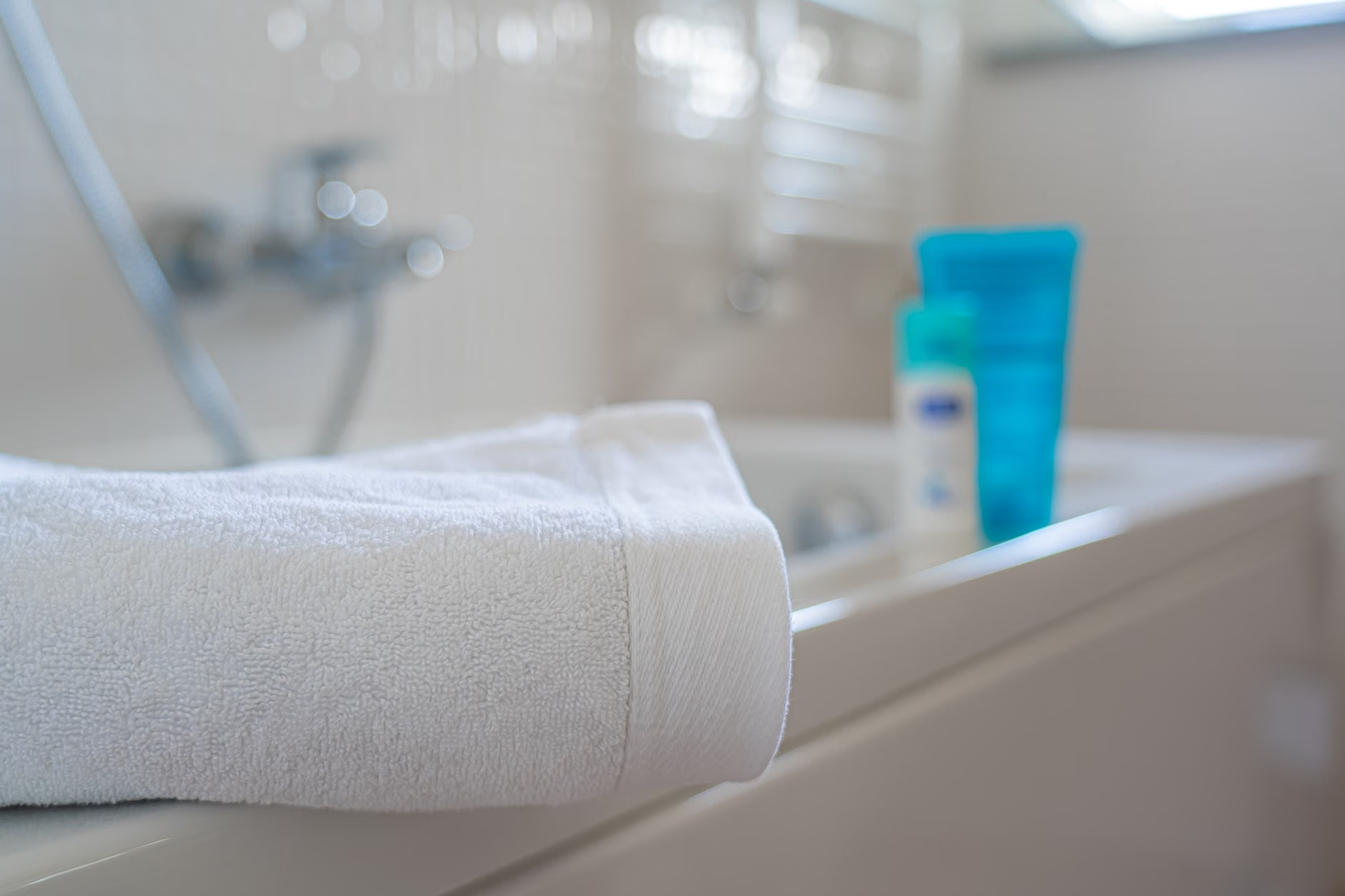
Soft, fresh towels usually come down to one thing: keeping residue out of the fabric. When towels start feeling rough, smelling sour, or pushing water around instead of absorbing it, the cause is often a mix of detergent buildup, fabric softener coating, hard-water minerals, or slow drying after the wash. (whirlpool.com)
If towels feel fluffy but not absorbent, buildup is usually the problem
A common mistake is trying to fix towels with more product. In reality, too much detergent can leave towels less clean than using the right amount, and Whirlpool notes that fabric softener or dryer sheets can leave a coating that affects absorbency. Hard water can make the same towel feel stiff even when it has been washed correctly, because mineral residue can stay behind in the fibers. (cleaninginstitute.org)
- Residue is likely if the towels smell clean at first but turn musty again after one or two uses. (whirlpool.com)
- Softener coating is likely if the towels feel slick or very plush but absorb less water than before. (whirlpool.com)
- Hard water may be part of the issue if other laundry also feels stiff or if white mineral residue shows up around faucets and drains. (cleaninginstitute.org)
- Overloading may be the issue if heavy bath towels come out looking washed but still feel dense or unevenly fresh. Towels need room to move in the washer. (whirlpool.com)
A simple towel-washing routine that works better than adding more fragrance
- Wash new towels before first use. That helps remove finishing residue from manufacturing and reduces early lint. (whirlpool.com)
- Sort by color and wash towels in their own load. White towels, dark towels, and bright colors are better separated, and washing towels apart from clothing helps prevent lint and transfer issues. (whirlpool.com)
- Load the washer loosely. Bath towels are bulky, and crowding the drum makes it harder for water and detergent to rinse through the pile. (whirlpool.com)
- Use the right detergent and do not overpour. If the washer is an HE model, use HE detergent and follow the detergent directions instead of guessing. More soap does not mean cleaner towels. (producthelp.whirlpool.com)
- Choose the warmest water that is safe for the towel according to the care label. For many standard cotton towels, that means warm or hot water, but decorative trim, blends, and specialty fabrics should follow their own labels. (whirlpool.com)
- Skip fabric softener if absorbency matters. If softness is the priority and absorbency is less important, use it sparingly and understand the tradeoff. (whirlpool.com)
- Dry towels promptly and stop when they are dry, not overbaked. Whirlpool recommends low to medium heat for many towels, with prompt removal to avoid unnecessary fabric damage and musty smells from sitting damp. (whirlpool.com)
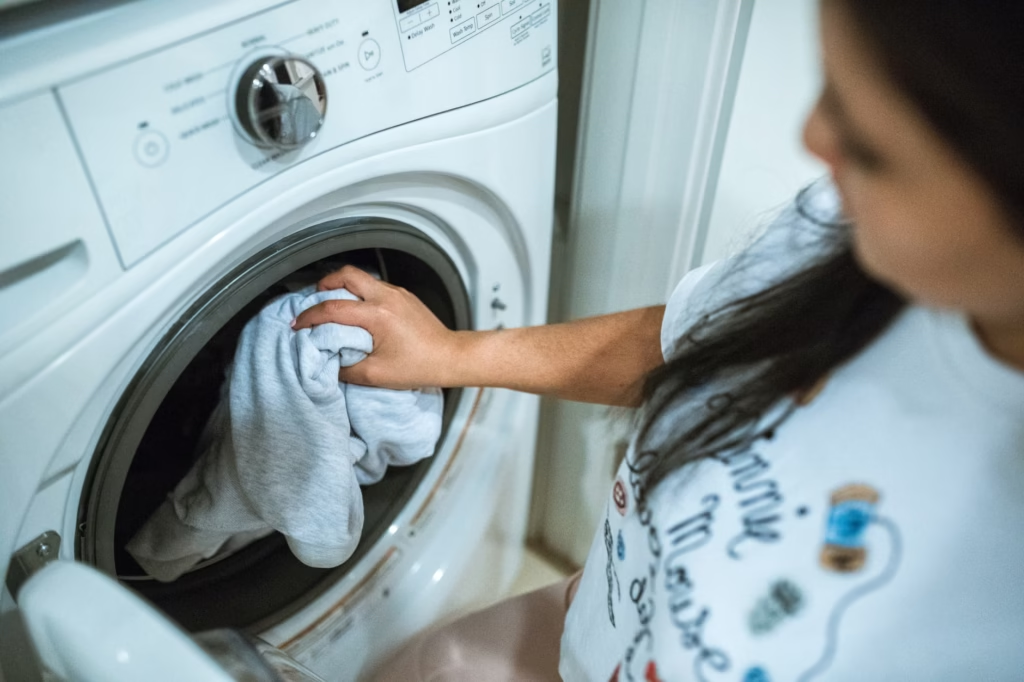
For most households, this routine is enough. The goal is not a heavily scented towel. It is a towel that rinses clean, dries fully, and still grabs water the next time it is used. That usually means slightly less detergent, a little more attention to drying, and fewer laundry extras. (whirlpool.com)
How to rescue towels that already smell sour or feel crunchy
If the towels are already off, do a reset instead of changing five things at once. A practical first step is to rewash them by themselves with a modest amount of detergent and, if the machine allows it, an extra rinse. If the rough feel seems tied to hard water or visible residue, ACI suggests a vinegar soak using 1 cup of white vinegar in 1 gallon of warm water before rinsing and rewashing. That can help with mineral-related or detergent-related film, but it will not reverse fibers that are simply worn out. (cleaninginstitute.org)
- If the towels smell worse after sitting in the washer, the issue may be delayed drying. Move them to the dryer as soon as the cycle ends. (whirlpool.com)
- If clean towels keep picking up a bad odor, check the washer itself. Whirlpool recommends a monthly clean-washer cycle, using the correct amount of HE detergent, and leaving the lid or door open between uses so the interior can dry. (producthelp.whirlpool.com)
- If the towels are less absorbent but smell fine, stop using softener for a few washes and see whether performance improves. (whirlpool.com)
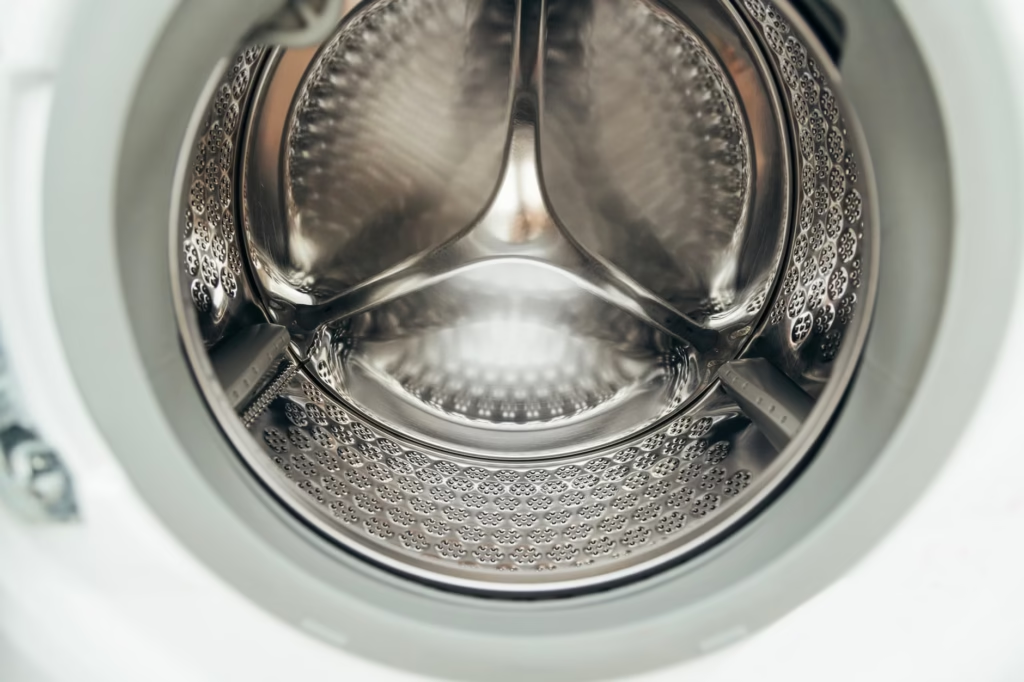
There is one limitation worth keeping in mind: laundry technique can improve towels, but it cannot make an old, flattened towel behave like a new one forever. If a towel stays rough, sour, or nonabsorbent after a proper reset, the fibers may be too coated, worn, or damaged to fully recover. In that case, better maintenance will help the next set last longer. (whirlpool.com)
The simplest formula is also the most effective: wash towels separately, use less detergent than instinct suggests, skip heavy softener use, and dry them completely. Freshness comes more from clean fibers and good airflow than from perfume. (whirlpool.com)
References
- Whirlpool: How to Wash & Dry Towels to Keep Them Soft – https://www.whirlpool.com/blog/washers-and-dryers/how-to-wash-towels.html
- American Cleaning Institute: Laundering Problems & Solutions – https://www.cleaninginstitute.org/cleaning-tips/clothes/laundering-problems-solutions
- American Cleaning Institute: Laundry Basics – https://www.cleaninginstitute.org/cleaning-tips/clothes/laundry-basics
- American Cleaning Institute: Laundry Products and Detergents – https://www.cleaninginstitute.org/cleaning-tips/clothes/laundry-products-and-detergents
- Whirlpool Product Help: Removing Odors from the Interior of a Washer – https://producthelp.whirlpool.com/Laundry/Washers/Product_Info/Washer_Cleaning_and_Care/Removing_Odors_from_the_Interior_of_a_Washer