

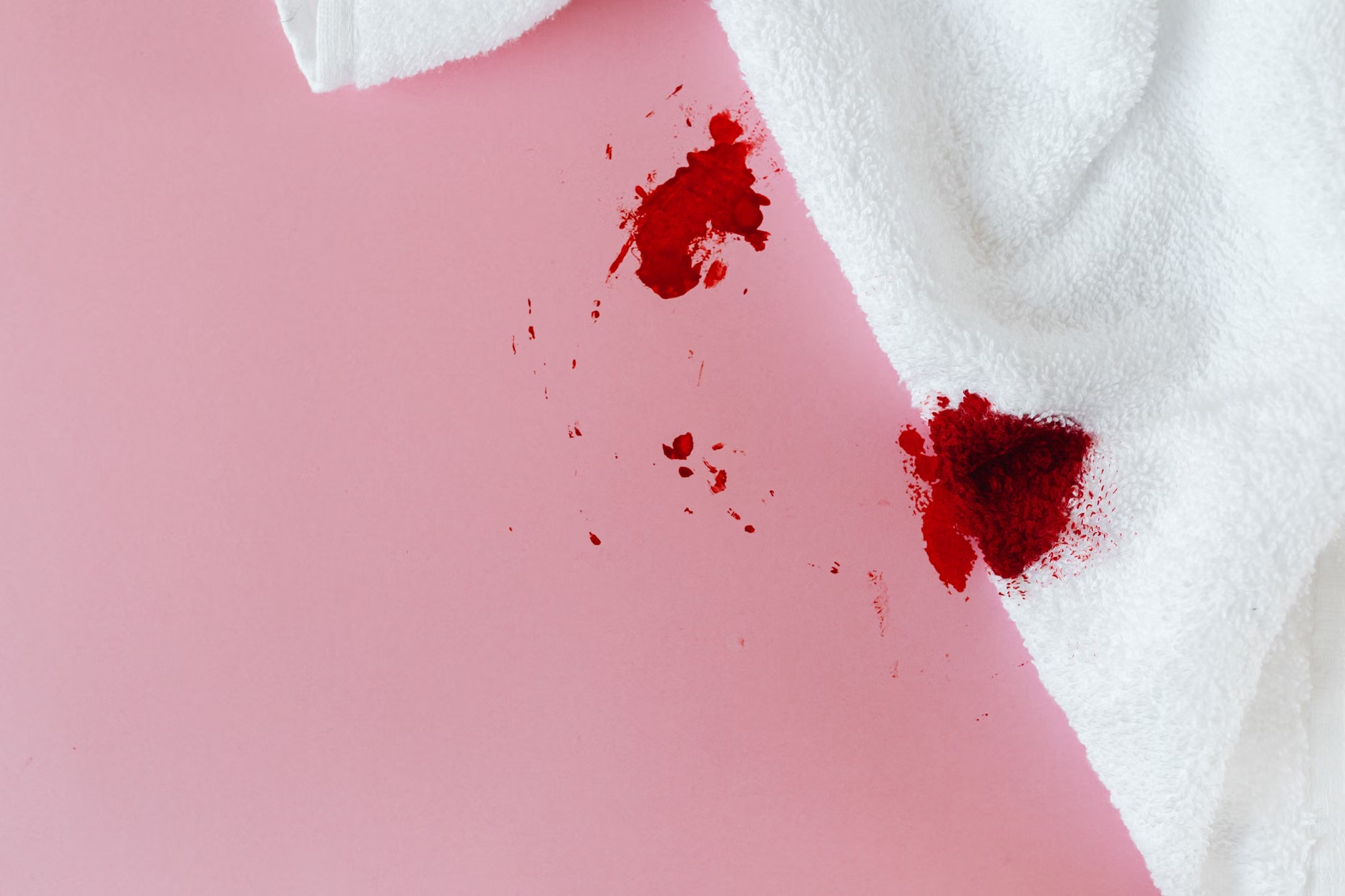
Stain removal is usually won or lost in the order of operations. The most dependable advice is surprisingly unglamorous: check the care label first, remove excess without grinding it deeper into the fibers, treat the stain promptly, and keep heat away until the mark is truly gone. That sequence matters because different stains respond to different chemistry, and both dryers and irons can set stains more permanently. There is no single product or method that works for every stain type. (pubs.nmsu.edu)
- Start with the fabric, not the stain
- What to do in the first five minutes
- A quick reference for the stain families that show up most often
- How to treat the stain types that ruin most laundry
- When the stain is old, unknown, or has already gone through the dryer
- Bleach, oxygen bleach, and enzyme removers are not interchangeable
- Mistakes that make stains harder, or permanent
- When to stop and take the garment to a professional
- A small stain kit that earns its space in the laundry area
- FAQ
- References
Start with the fabric, not the stain
Many people look at a stain and ask, “What spilled?” A better first question is, “What can this garment safely tolerate?” A washable cotton T-shirt gives far more room for pretreaters, bleach options, and warmer wash temperatures than silk, wool, acetate, or a garment labeled dry clean only. The care label is the first filter because it tells you whether washing is appropriate, whether bleach warnings apply, and in some cases whether dry cleaning may be better for appearance or durability. (ftc.gov)
The Fabric-First Stain Check
- What is the fiber? Cotton and many synthetics are usually more forgiving than silk, wool, or structured garments. Chlorine bleach is not appropriate for some fibers and finishes. (cleaninginstitute.org)
- What kind of stain is it? Protein, oil, tannin, pigment, rust, wax, and dye transfer do not respond the same way. That is why one “all-purpose” trick often disappoints. (cleaninginstitute.org)
- How old is it? Fresh stains are generally easier to remove than set-in stains, and dryer heat makes recovery harder. (pubs.nmsu.edu)
- Has it already seen heat or multiple products? If yes, slow down, rinse thoroughly, and move to a gentler diagnostic approach instead of piling on more chemistry. (pubs.nmsu.edu)
This is an editorial decision method, not a formal industry standard, but it reflects how reliable stain treatment often works in practice: fabric safety first, stain family second, escalation last. That mindset helps prevent a common failure pattern: removing the original stain while damaging the dye, finish, or shape of the garment. (pubs.nmsu.edu)
What to do in the first five minutes
- Blot liquids and lift solids. Use a spoon, dull knife, or clean cloth to remove excess without rubbing it deeper into the weave. (pubs.nmsu.edu)
- Flush from the back when possible. Running water or dabbing from the reverse side can push the stain out of the fabric instead of through it. ACI recommends this for several common food stains. (cleaninginstitute.org)
- Reach for cool or cold water first when unsure. ACI advises cold water when in doubt and specifically warns that hot water can set fresh blood stains. (cleaninginstitute.org)
- Apply a suitable pretreatment. Liquid laundry detergent, a prewash stain remover, or an enzyme product can be enough, depending on the stain family. (cleaninginstitute.org)
- Test before treating valuable or delicate items. NMSU recommends trying the method on an inside seam or hem first. (pubs.nmsu.edu)
- Wash according to the care label and inspect before drying. If the stain is still there, repeat treatment rather than sending it through dryer heat. (cleaninginstitute.org)
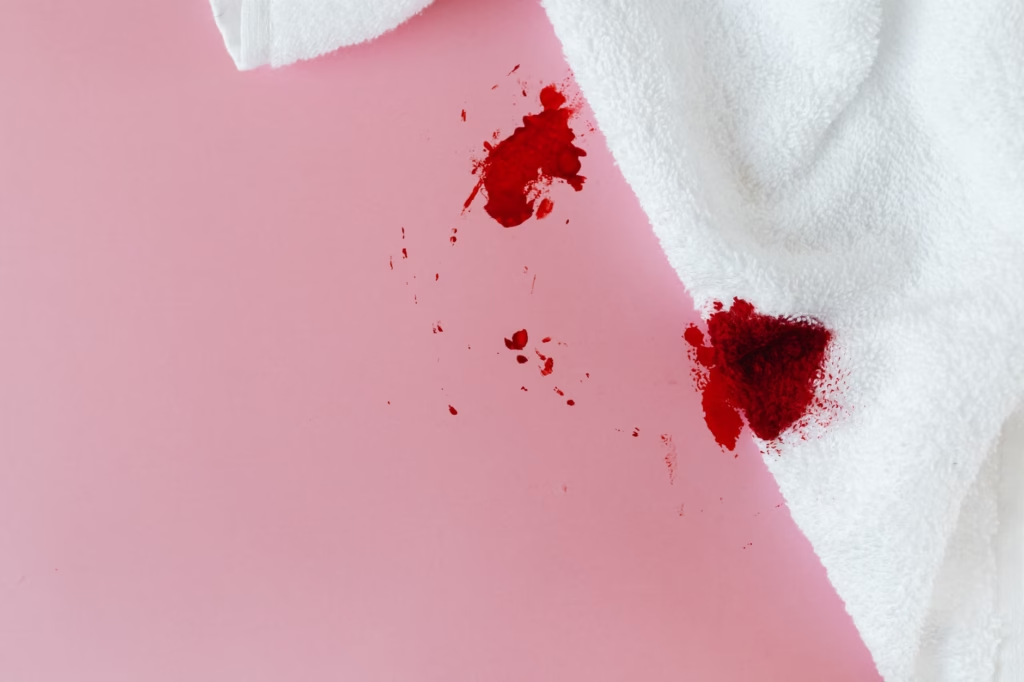
Safety matters here. Never mix chlorine bleach with ammonia or with other cleaners, and use stain removers in a well-ventilated space. If you switch products, rinse thoroughly in between. (pubs.nmsu.edu)
A quick reference for the stain families that show up most often
The fastest way to improve results is to stop thinking in brand names and start thinking in stain families. A blood stain, a grease stain, and a coffee stain all look like “a spot on a shirt,” but they behave differently in water, heat, and detergent. (cleaninginstitute.org)
| Stain family | Common examples | First move | Usually helps next | Avoid |
|---|---|---|---|---|
| Protein | Blood, egg, dairy, sweat, grass | Cold-water flush or soak | Enzyme pretreat, then wash at the warmest temperature safe for the fabric | Starting with hot water or dryer heat |
| Oil and grease | Cooking oil, butter, makeup, body soil, collar grime | Lift excess; pretreat with liquid detergent or prewash remover | Wash in the hottest water safe for the fabric after the oil has been treated | Using heat first and baking the oil in |
| Tannin and drink stains | Coffee, tea, juice, wine, soft drinks | Cool-water rinse or soak | Pretreat, then launder; bleach only if the label allows it | Waiting too long or skipping pretreatment |
| Combination food or cosmetic stains | Tomato sauce, barbecue sauce, chocolate, lipstick, mustard | Remove excess; flush; pretreat thoroughly | Repeat treatment because these stains often contain both oil and pigment | Assuming one quick wash will finish the job |
| Special-case stains | Rust, ink, wax, dye transfer, mud | Use stain-specific tactics | Rust remover, alcohol or solvent, wax transfer method, color remover, or dry brushing for mud | Treating everything with the same home remedy |
Two big implications come from the table. First, “washable” does not mean “treat aggressively.” Second, mixed stains are why many viral laundry hacks fail: a sauce stain may include oil, pigment, sugar, and protein at the same time, so it often needs more than one pass. Cornell Cooperative Extension notes that no single stain-removal product or method works for all stains because stain chemistry differs. (ecommons.cornell.edu)
How to treat the stain types that ruin most laundry
Protein stains: blood, dairy, egg, sweat, and grass
Protein stains are where patience beats force. For fresh blood, ACI specifically recommends cold water and warns against hot water because heat can set the stain. For other protein-heavy stains such as baby formula, dairy products, bodily fluids, and grass, ACI points to enzyme-containing products as a useful pretreatment or soak. For older protein stains, a longer soak often matters more than scrubbing harder. (cleaninginstitute.org)
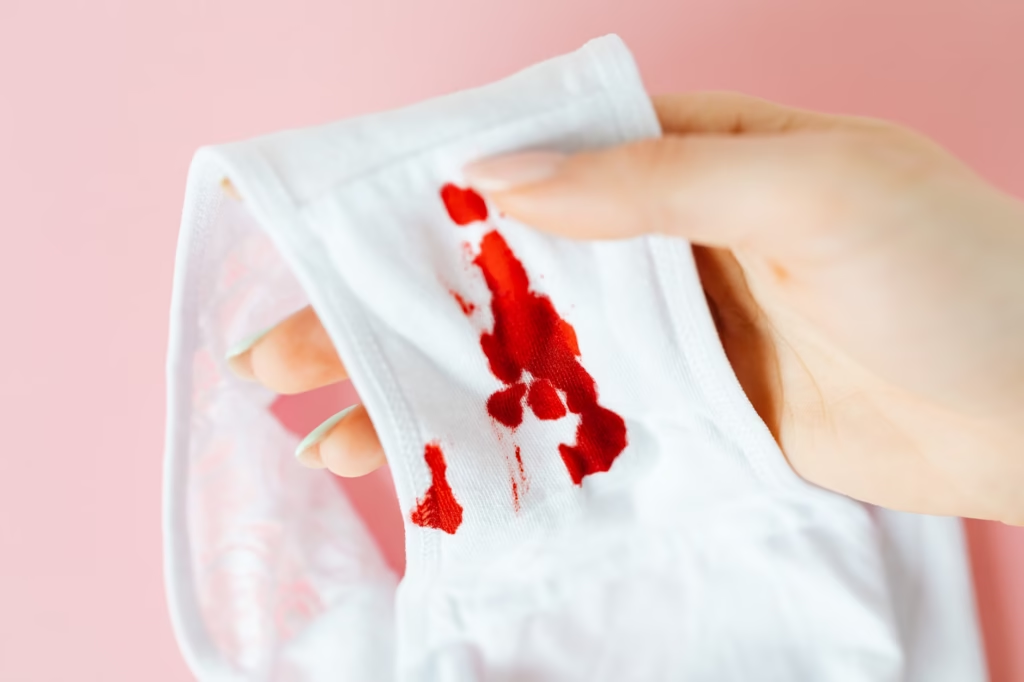
As a realistic example, imagine a cotton T-shirt with a few-hours-old blood spots. A better sequence is a cold soak, enzyme pretreat, then laundering at the warmest setting the label allows, followed by inspection before drying. The tempting shortcut – hot water plus dryer heat – is exactly the route ACI warns can lock in the stain. (cleaninginstitute.org)
Oil and grease: cooking oil, butter, makeup, and collar buildup
Greasy stains need a product that can break up oil before the wash can carry it away. ACI recommends pretreating light grease and oil stains with a prewash stain remover, liquid detergent, or liquid booster before laundering in the hottest water safe for the fabric. NMSU also notes that grease stains may need a solvent-based step if washing alone does not remove them. The practical lesson is simple: do not jump straight to hot water and hope. Treat the oil first, then wash. (cleaninginstitute.org)
This category includes more than obvious splatters from the kitchen. Collar and cuff darkening, some makeup marks, and the dull shadow left by skin oils are also oily soils. They often look faint after one wash, then reappear when the fabric dries because the residue was loosened but not fully removed. A second targeted pretreat is usually smarter than a harsher random remedy. (cleaninginstitute.org)
Coffee, tea, juice, wine, and soft drinks
Drink stains are often easier than they look when treated early. ACI commonly recommends cool-water soaking or sponging first, followed by pretreatment and laundering. Older drink stains may benefit from a product containing enzymes, and bleach can help only if the care label says the fabric can tolerate it. The crucial distinction is that “colored liquid” is not the same as “needs bleach right away.” Start by diluting and flushing what you can. (cleaninginstitute.org)
Sauces, mustard, chocolate, barbecue, and lipstick are mixed stains
These are the stains that make people think stain removal “doesn’t work,” when the real issue is that several stain types are layered together. Barbecue sauce can contain oil, sugar, spices, and pigment. Mustard can leave a stubborn dye component. Chocolate brings fat plus color. Lipstick is partly oily and partly pigmented. ACI’s stain guide repeatedly recommends some version of this sequence: remove excess, flush with cool water when appropriate, pretreat thoroughly, rinse, and repeat before laundering. That repetition is not overkill; it reflects the chemistry of mixed stains. (cleaninginstitute.org)
Mud, wax, ink, rust, and dye transfer need stain-specific tactics
- Mud: One of the few stains that often gets easier after it dries. ACI advises brushing off as much dried mud as possible before pretreating or washing. (cleaninginstitute.org)
- Candle wax: Scrape first, then transfer the wax out with paper towels and a warm iron before laundering. (cleaninginstitute.org)
- Ink: It may respond to rubbing alcohol or a cleaning fluid, but ACI notes that some inks may be impossible to remove completely. (cleaninginstitute.org)
- Rust: Use a rust remover made for fabrics. ACI specifically warns against sodium hypochlorite bleach because it can intensify rust discoloration. (cleaninginstitute.org)
- Dye transfer: This calls for quick re-treatment and sometimes a packaged color remover. It is one of the clearest cases where proper sorting would have prevented the problem. (cleaninginstitute.org)
When the stain is old, unknown, or has already gone through the dryer
Set-in stains are harder, but not automatically hopeless. The goal changes, though: instead of attacking harder, you diagnose. NMSU’s guidance for unknown stains is especially useful because it works as a controlled escalation for washable garments. Start with mild steps, rinse between products, and treat bleach or harsh removers as later options, not a first reflex. (pubs.nmsu.edu)
- Soak the washable item in cold water for about 30 minutes. (pubs.nmsu.edu)
- Work a small amount of liquid laundry detergent into the stain and let it sit before rinsing. (pubs.nmsu.edu)
- Rewash using the warmest or hottest temperature the fabric label safely allows. NMSU emphasizes matching temperature to fiber type rather than guessing. (pubs.nmsu.edu)
- If the stain still looks greasy, let the item dry and use a fabric-safe solvent or stain remover labeled for that purpose. (pubs.nmsu.edu)
- Only after gentler methods fail should you consider bleach or specialized removers, and only if the label and the product directions permit them. (pubs.nmsu.edu)
Limitations matter here. A stain may remain because the fabric dye has been altered, because heat set the residue, or because the original spill bonded deeply with the fibers. Cornell notes that some staining agents will not respond to any removal effort. That is useful to know because it can keep a stubborn shirt from becoming a damaged shirt. (ecommons.cornell.edu)
Bleach, oxygen bleach, and enzyme removers are not interchangeable
Chlorine bleach is the stronger laundry bleach. ACI says it can clean, whiten, and disinfect, but it is not suitable for every fabric. Fiber content and finishes matter, and ACI specifically flags silk, wool, mohair, and spandex as reasons to stop and read the label carefully. Oxygen bleach is the gentler “color-safe” option, and the FTC notes that when a care label forbids chlorine bleach but allows non-chlorine bleach, the label should say so clearly. Enzyme products are different again: they help break down certain stain materials, especially protein-based and some fat-based soils. The practical rule is to choose the chemistry that matches both the stain and the fabric, not the product with the strongest reputation. (cleaninginstitute.org)
A useful label clue: if a garment allows only non-chlorine bleach, treat that as a hard boundary. “White” does not automatically mean “bleach-safe.” (ftc.gov)
Mistakes that make stains harder, or permanent
- Rubbing instead of blotting. This can spread the stain and push it deeper into the fabric. (pubs.nmsu.edu)
- Using hot water on the wrong stain. Fresh blood is the clearest example, but hot water can also set other soils before they are fully removed. (cleaninginstitute.org)
- Throwing the item in the dryer “to see if it’s fine.” Heat setting is one of the most common avoidable failures. (pubs.nmsu.edu)
- Ignoring the care label because the stain seems urgent. Fabric damage is harder to fix than the original spot. (ftc.gov)
- Mixing stain removers or improvising chemistry. NMSU and CDC both warn against unsafe product combinations, especially bleach with ammonia. (pubs.nmsu.edu)
- Escalating too quickly. NMSU recommends starting with the gentlest reasonable method and moving up only if needed. (pubs.nmsu.edu)
When to stop and take the garment to a professional
Home methods are usually most appropriate for washable everyday fabrics. Once the care label says dry clean only, or the garment is silk, wool, tailored, structured, embellished, or sentimental, the risk calculation changes. NMSU advises using only a dry-cleaning agent or asking a dry cleaner for help on dry-clean-only items, and FTC guidance allows garments to be labeled for dry cleaning when washing would harm them or when dry cleaning may better protect appearance and durability. (pubs.nmsu.edu)
Professional help also makes sense when the stain is large, old, unidentified, or caused by ink, rust, wax, dye transfer, or body-fluid contamination on a valuable item. At that point, the main goal is no longer “try one more trick.” It is “avoid making the damage worse.” (cleaninginstitute.org)

A small stain kit that earns its space in the laundry area
- Liquid laundry detergent for quick pretreating on many washable stains. (cleaninginstitute.org)
- An enzyme-based stain remover for protein-heavy soils such as blood, dairy, grass, and sweat. (cleaninginstitute.org)
- Oxygen bleach for washable items that need extra help but are not good candidates for chlorine bleach. (cleaninginstitute.org)
- White cloths or paper towels for blotting without transferring dye. NMSU includes these in its stain-removal kit. (pubs.nmsu.edu)
- A dull spoon or knife and a soft brush for lifting residue without shredding fibers. (pubs.nmsu.edu)
- Gloves and a habit of reading product labels before use. Ventilation and label compliance are part of stain removal, not an afterthought. (pubs.nmsu.edu)
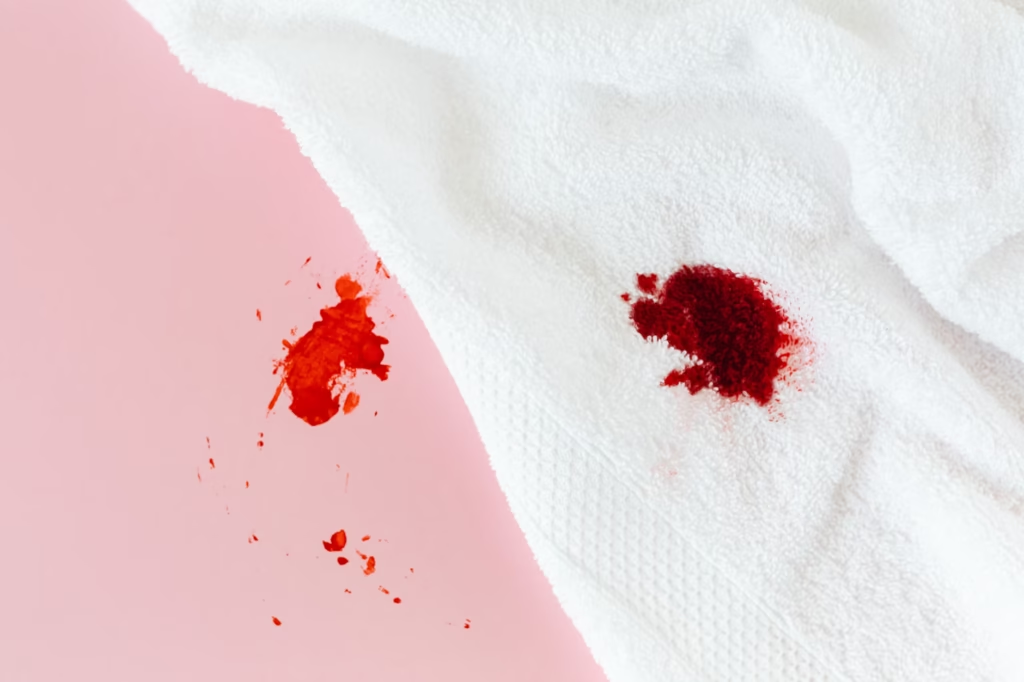
The best stain routine is not elaborate. It is consistent. Read the label, identify the stain family, start cool and gentle, match the chemistry to the stain, and keep heat out of the process until the fabric is clean. That approach will not save every garment, because some stains truly are permanent, but it can dramatically improve the odds of saving the everyday shirt, dress, towel, or pair of jeans that usually gets sacrificed to guesswork. (ecommons.cornell.edu)
FAQ
Should stains be washed in hot or cold water?
If the stain type is unknown, cold or cool water is the safer starting point. ACI specifically recommends cold water for fresh blood and advises cold water when in doubt, then moving to the warmest temperature that is safe for the fabric once the stain has been properly treated. (cleaninginstitute.org)
Is oxygen bleach the same as chlorine bleach?
No. ACI describes chlorine bleach as the stronger laundry bleach that can whiten and disinfect, while oxygen bleach is gentler and considered color-safe. The garment label still controls which one, if any, is appropriate. (cleaninginstitute.org)
Can dish soap be used on clothing stains?
Sometimes, especially for greasy washable stains, but it should not replace the care label or the product label. NMSU includes liquid dishwashing detergent among stain-removal solvents for grease and unknown washable stains, but testing on an inside seam is still wise. (pubs.nmsu.edu)
Why does a stain look gone when wet and come back when dry?
Usually that means residue is still in the fabric, especially with oil-based or mixed stains. In practical terms, the stain was lightened, not removed. A second targeted pretreat is usually a better next step than moving straight to harsher chemistry. This is an inference from how ACI and NMSU recommend repeating treatment before drying. (cleaninginstitute.org)
When is a stain not worth treating at home?
When the item is labeled dry clean only, made from delicate fibers, highly valued, or already damaged by heat or previous treatments, home experimentation becomes riskier than the stain itself. FTC and NMSU guidance both support deferring to the care label and using professional cleaning when washing could harm the garment. (ftc.gov)
References
- American Cleaning Institute – Stain Removal Guide – https://www.cleaninginstitute.org/cleaning-tips/clothes/stain-removal-guide
- American Cleaning Institute – How to Use Bleach – https://www.cleaninginstitute.org/cleaning-tips/clothes/detergents/how-use-bleach
- American Cleaning Institute – Laundry Basics – https://www.cleaninginstitute.org/cleaning-tips/clothes/laundry-basics
- New Mexico State University – Removing Clothing Stains – https://pubs.nmsu.edu/_c/C502/index.html
- Federal Trade Commission – Clothes Captioning: Complying with the Care Labeling Rule – https://www.ftc.gov/business-guidance/resources/clothes-captioning-complying-care-labeling-rule
- Cornell Cooperative Extension – Removing Stains at Home – https://ecommons.cornell.edu/entities/publication/f5ebb511-7067-4050-9144-cd01fb91af4e
- CDC – Cleaning and Disinfecting with Bleach – https://www.cdc.gov/hygiene/about/cleaning-and-disinfecting-with-bleach.html
- CDC – Ammonia Chemical Fact Sheet – https://www.cdc.gov/chemical-emergencies/chemical-fact-sheets/ammonia.html