

Dingy grout rarely requires heroic effort. What usually makes the job feel endless is using the wrong product, scrubbing too soon, and treating every dark line as if it were the same kind of stain. Cement-based grout is porous, which means dirt, soap film, oils, and moisture can sink into it instead of sitting neatly on top. That is why brute force often disappoints: a better strategy is to loosen the grime first, then do a short round of targeted scrubbing. (cdnmedia.mapei.com)
If the area is a shower or bathroom floor, it also helps to think beyond the stain itself. Black spotting that keeps returning may be as much a moisture problem as a cleaning problem. EPA guidance on mold cleanup emphasizes cleaning hard surfaces, drying them completely, and fixing the moisture source so the discoloration does not simply come back. (epa.gov)
The real shortcut is dwell time, not harder scrubbing
For ordinary grout that looks gray, brown, or generally tired, start with a cleaner labeled for tile and grout instead of jumping straight to bleach. In most home situations, cleaning is different from disinfecting, and soap- or detergent-based cleaning is often the first thing that matters. For deep soil, manufacturer guidance commonly points to an alkaline cleaner for occasional heavy-duty cleaning rather than routine use. (cdc.gov)
- Vacuum or sweep first, then wipe the surface with plain warm water. Grit can block cleaners from reaching the grout and make brushing less effective.
- Apply the cleaner generously enough to wet the grout lines, not just the tile surface. Spot-test first if the tile is delicate, older, or unfamiliar.
- Let the cleaner sit for the dwell time on the label instead of brushing right away. If it starts drying too fast, add a little more product so it can keep working.
- Use a stiff nylon grout brush and make a few deliberate passes along the joint. The goal is to lift loosened soil, not grind away at dry grout.
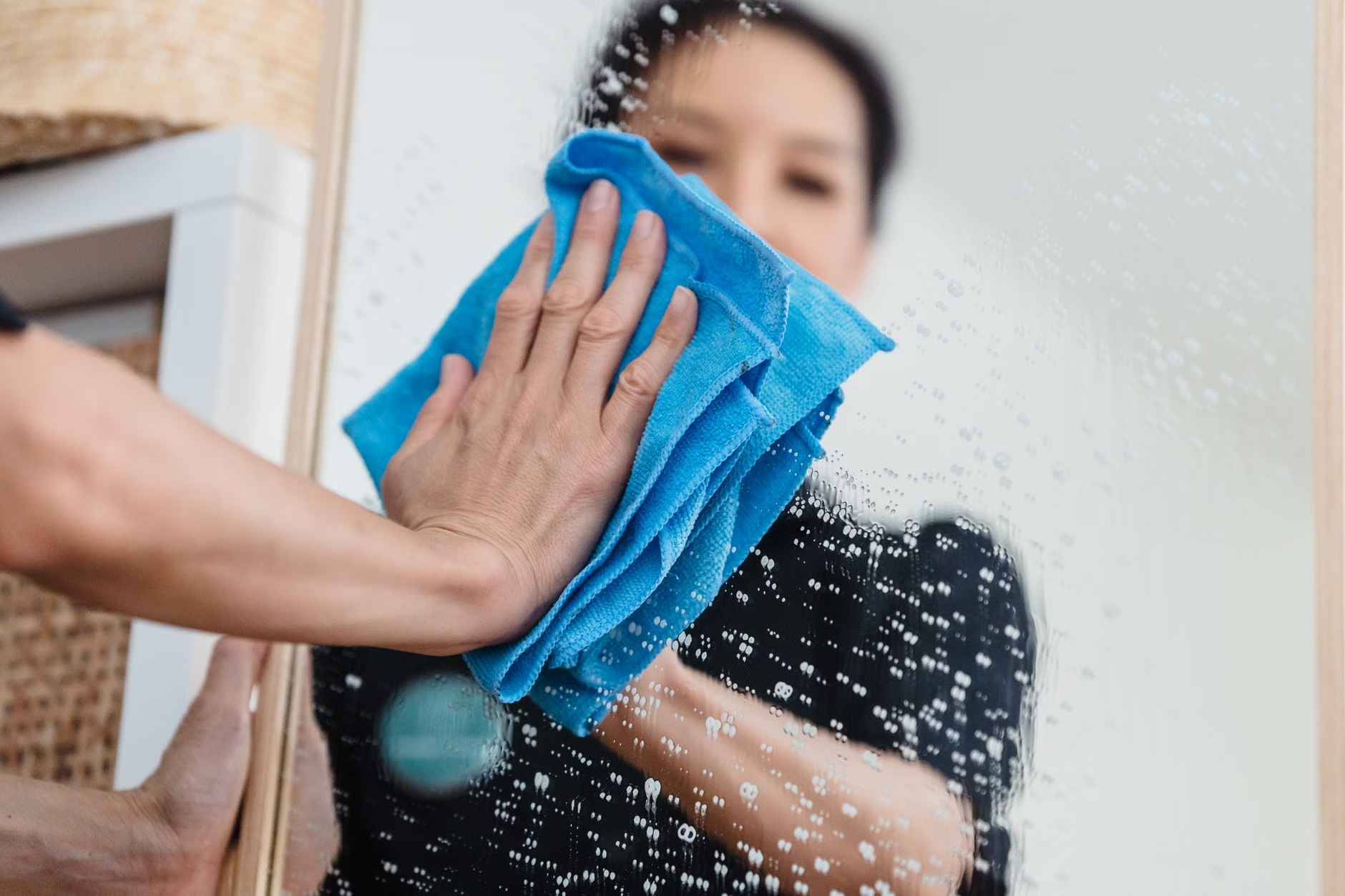
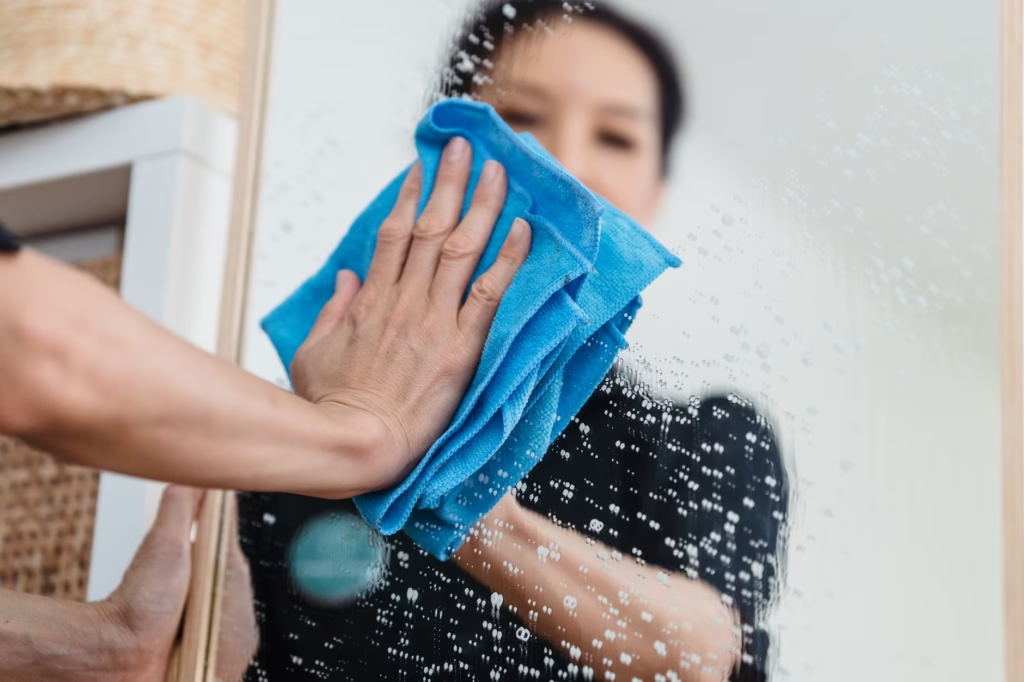
- Wipe the dirty residue away with a microfiber cloth or towel, then rinse with clean water. If the loosened grime dries back onto the floor, the grout can still look dull.
- Dry the area completely and judge the result after it dries, not while it is still wet. If one cycle made visible progress, a second cycle is usually more productive than doubling the force of the first.
That sequence sounds simple, but it is the part people often rush. Waiting a few minutes while the cleaner works can save more time than ten extra minutes of scrubbing. If one pass changes the color noticeably, repeat the same method once more. If there is almost no change, stop adding elbow grease and reassess what kind of stain you are actually dealing with.
Match the cleaner to the stain before reaching for bleach
- Dull gray or brown grout across a wide area usually points to embedded dirt, soap residue, or kitchen film. A regular tile-and-grout cleaner or an occasional alkaline deep cleaner is typically more useful here than a disinfectant. (mapei.com)
- Black specks or shadowy patches in a shower often suggest mildew or mold. Clean the hard surface first, dry it thoroughly, and improve ventilation or moisture control if the problem returns. (epa.gov)
- Chalky white buildup is usually mineral residue, not ordinary dirt. That often calls for a product specifically labeled for mineral deposits and safe for your tile type, rather than more brushing.
- If you are tempted to use an acidic DIY cleaner as a shortcut, be careful. Manufacturer guidance warns that routine acid use can weaken grout over time and can damage some natural stone surfaces. (mapei.com)
Never mix bleach with any other cleaner or disinfectant. If you use a bleach product, ventilate the room well, follow the label exactly, and use gloves or eye protection if directed. (cdc.gov)
Bleach is best treated as an occasional targeted option, not a default grout cleaner. It may help with mildew staining, but it is not especially good at removing greasy soil, and routine bleach use can be rough on grout over time according to manufacturer guidance. For a kitchen floor with cooking residue, or a bathroom floor with tracked-in dirt, the right cleaner matters more than the harshest one. (mapei.com)
When less scrubbing still is not enough
Steam can be a useful next step if the grout is still dingy after a normal cleaning cycle. It helps soften residue so a brush has less work to do. Manufacturer guidance says steam cleaning tile and grout is generally safe, but some pre-mixed and ready-to-use grouts can be damaged by extended high heat, so it is smart to keep the tool moving and check the grout manufacturer if you know the installation is not standard cement grout. (mapei.com)
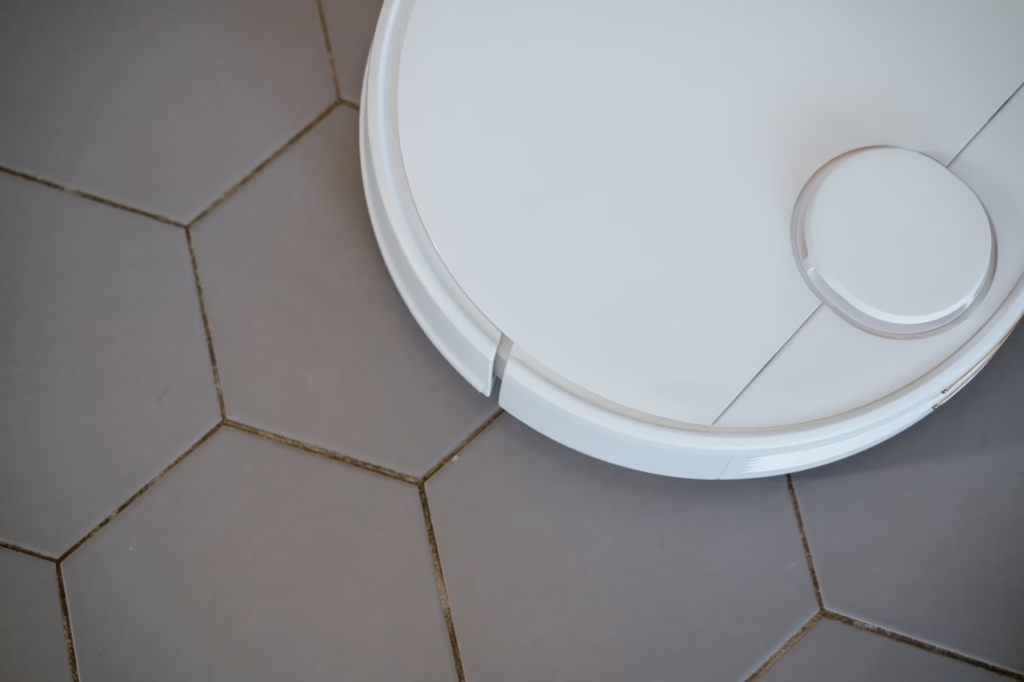
There is also a point where cleaning is no longer the real fix. If two careful cleaning rounds barely change the color, the grout may be permanently stained, sealed with old residue, or simply worn and blotchy. In that situation, a grout colorant or refresh product can make more sense than another hour of brushing. And if the grout is cracked, crumbly, or missing in places, the job has moved from cleaning to repair.
If discoloration keeps returning along with a musty odor, loose tile, or chronic dampness, the issue may be trapped moisture behind the surface. Extensive mold or water damage is a good reason to bring in a qualified professional. (epa.gov)
The quickest way to clean dingy grout is usually a little slower for the first few minutes: identify the stain, use a cleaner that matches it, let it sit, then scrub briefly and deliberately. That approach usually beats aggressive scrubbing, and it also makes it easier to tell when the grout needs a different product, a steam pass, or a cosmetic refresh instead of more effort.
References
- Centers for Disease Control and Prevention – Cleaning and Disinfecting with Bleach – https://www.cdc.gov/hygiene/about/cleaning-and-disinfecting-with-bleach.html
- U.S. Environmental Protection Agency – What are the basic mold cleanup steps? – https://www.epa.gov/mold/what-are-basic-mold-cleanup-steps
- MAPEI – UltraCare Maintenance Guide – https://cdnmedia.mapei.com/docs/librariesprovider65/line-technical-documentation-documents/ultracare-maintenance-guide.pdf?sfvrsn=7449af4c_4
- MAPEI – Can I use a steam cleaner on my tile and grout? – https://www.mapei.com/pr/en-us/faq/faq-detail/can-i-use-a-steam-cleaner-on-my-tile-and-grout