
Fast house cleaning is usually a systems problem, not a motivation problem. Most people do not lose time because wiping a counter takes too long. They lose time because they start in the wrong place, switch tools constantly, walk back and forth for supplies, and try to deep-clean every room during a routine tidy-up.
That distinction matters. The CDC says regular cleaning is enough in most home situations, and disinfecting becomes more important when someone is sick or someone at home is at higher risk because of a weakened immune system. Knowing when simple cleaning is enough can save time and reduce unnecessary chemical use. (cdc.gov)
TL;DR
- Clean in planned passes instead of trying to finish each room perfectly before moving on.
- Start with a quick reset, then do dry cleaning, then wet cleaning.
- Spray problem areas early so the product can work while you do something else.
- When time is tight, prioritize high-touch surfaces, eye-level messes, and odor sources.
- Routine cleaning is usually more useful than routine disinfecting; when you do disinfect, label directions and contact time matter. (cdc.gov)
The real time drain is friction, not scrubbing
Cleaning feels slow when every task includes three hidden steps: deciding what to do, finding what you need, and clearing the space before the actual wiping starts. The quickest routines reduce those transitions. That means fewer products, fewer trips between rooms, and fewer moments of standing still and wondering what comes next.
Use the Three-Lap Speed-Clean Method
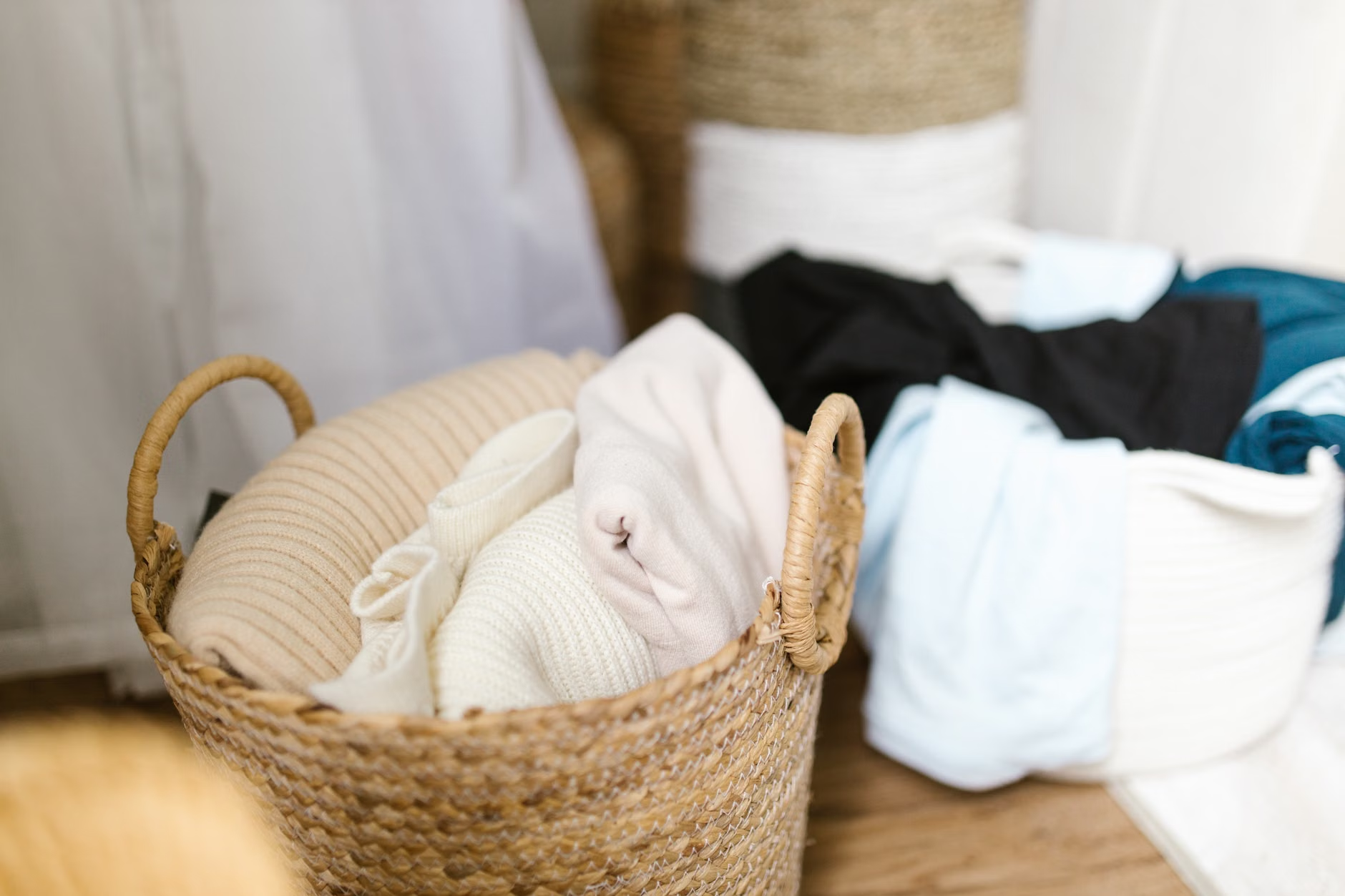
- Lap 1: Reset. Walk through the house with a trash bag and a laundry basket. Throw away trash, collect dishes, gather dirty laundry, and place random items in the basket instead of stopping to organize them.
- Lap 2: Clean. Wipe surfaces, dust, scrub obvious grime, and vacuum or sweep. Work from higher surfaces to lower ones so you do not re-dirty what you just cleaned.
- Lap 3: Finish. Make beds, straighten pillows, replace hand towels, return the basket items to their rooms, and do one last quick visual pass for anything still obviously out of place.
This method works best for routine upkeep: the kind of cleaning that makes a lived-in home feel orderly, fresh, and under control. It is not a substitute for occasional deep work such as scrubbing grout, cleaning inside appliances, tackling heavy soap scum, or handling illness-related disinfection.
15 tricks that make routine cleaning faster
Set up the job so you stop losing minutes
- Start with a two-minute reset before you touch a spray bottle. Pick up trash, dishes, and obvious clutter first. Wiping around loose items turns one cleaning pass into two, and it makes rooms feel unfinished even after you clean them.
- Carry a caddy and a catch-all basket. The caddy holds the few supplies you use every week. The basket is for misplaced items that do not belong in the room. This prevents the classic time trap of leaving the bathroom to return one charger, then noticing laundry, then starting something else.
- Clean in passes, not in perfection loops. If the goal is a fast whole-house clean, it is more efficient to reset the entire home first, then clean the entire home, than to fully finish one room before starting the next. The house looks better faster, which also reduces the urge to overwork one spot.
- Start dry before you start wet. Dust, crumbs, hair, and loose debris should come off first. If you spray a dusty surface too early, you create grime that has to be scrubbed instead of lifted away easily.
- Spray first, wipe second. In kitchens and bathrooms, apply cleaner to the sink, faucet base, shower glass, toilet exterior, or stovetop before you begin a nearby task. Letting the product sit briefly can reduce scrubbing. If you are disinfecting rather than simply cleaning, the product label’s contact time matters, and the surface must stay wet for the full time listed. (cdc.gov)
Move through the house in a smarter order
- Work top to bottom inside each room. Shelves, counters, sinks, and floors should happen in that order whenever possible. This avoids the annoying habit of cleaning the floor and then knocking dust or hair onto it later.
- Prioritize high-touch and eye-level surfaces when time is limited. Light switches, door handles, counters, faucets, mirrors, and the front edge of the toilet have a bigger visual and practical payoff than low-value detail work. The CDC specifically recommends regular cleaning of high-touch surfaces such as light switches, doorknobs, and countertops. (cdc.gov)
- Vacuum or sweep before you mop. On soft surfaces, the CDC recommends vacuuming or laundering as appropriate, and the same logic applies to routine floor care more broadly: remove loose debris first so wet cleaning does not spread it around. (cdc.gov)
- Pre-treat the bathroom at the start of the session. Toilet bowl cleaner, shower spray, or a dampened sink surface often becomes much easier to finish after ten minutes of sitting while you clean something else nearby.
- Give every room a stopping rule. A kitchen may be “done” when the sink is empty, counters are wiped, trash is out, and the table is clear. A bedroom may be “done” when the bed is made, dirty clothes are contained, and the nightstand is wiped. Speed comes from deciding in advance what counts as enough.
| Room | Do this first | A good-enough finish | Skip if rushed |
|---|---|---|---|
| Kitchen | Clear dishes, trash, and counters | Sink empty, counters wiped, table cleared, obvious crumbs gone | Inside oven, polishing small appliances, reorganizing cabinets |
| Bathroom | Apply cleaner, then clear the vanity | Toilet seat and rim wiped, sink clean, mirror touched up, fresh hand towel | Grout scrubbing, product sorting, deep shower detailing |
| Living room | Gather clutter and reset pillows or throws | Visible surfaces cleared, coffee table wiped, obvious dust handled | Shelf styling, cord management, decor rearranging |
| Bedroom | Make the bed and contain laundry | Bed made, dirty clothes collected, one or two visible surfaces wiped | Closet edits, drawer organizing, under-bed sorting |
| Entryway | Remove shoes, mail, and floor debris | Walking path clear, mat shaken, visible dust gone | Closet reorganization, seasonal gear sorting |
The table is not about lowering standards. It is about matching effort to impact. The rooms that feel dirty fastest usually respond to a few visible, high-value actions. Once those are complete, the house tends to feel substantially cleaner even before every detail is addressed.
Protect future cleaning time
- Reduce the number of products in rotation. For many homes, a small set is enough for weekly work: an everyday surface cleaner, a bathroom product or toilet bowl cleaner, glass cleaner if you care about mirrors, and floor tools. More bottles often create more hesitation. If you want lower-hazard options, EPA says vague claims such as “green” can be misleading; the Safer Choice and DfE labels are more meaningful signals. (epa.gov)
- Keep duplicates where mess happens. A toilet brush in each bathroom, spare cloths near the kitchen, and a handheld dust tool near the entry can save surprising amounts of time over a week. The fastest cleaning tool is often the one already in the room.
- Contain clutter instead of organizing it mid-clean. Speed cleaning and organizing are different jobs. If you start reading old mail, matching chargers, or re-folding linen closets, the cleaning session is over whether you admit it or not.
- Use waiting windows. While coffee brews, while the microwave runs, while bathwater fills, or while laundry starts, wipe one sink, clear one counter, or do a two-minute floor pass. Small maintenance actions reduce the size of the next big cleaning session.
- End every session with a five-minute reset. Rinse cloths, empty the vacuum or dustpan, put products back in the caddy, and restore each room to a neutral baseline. The next cleaning session starts faster when the tools are ready and the house never fully drifts into chaos.
What slows people down more than dirt
A fast routine does not fail because of one bad sponge or one missed chore. It usually fails because the session quietly turns into three separate jobs: decluttering, routine cleaning, and deep cleaning. Those jobs overlap, but they should not compete for the same 40 minutes.
- Starting with the floor. Floors collect fallout from almost every other task. Save them for later in the session, not the first five minutes.
- Using strong chemicals by default. Routine cleaning is often enough, according to the CDC, and some cleaning or disinfecting products can irritate skin, eyes, or the respiratory system. The CDC also notes that some such products can trigger asthma. (cdc.gov)
- Ignoring label directions. EPA notes that use directions and contact time are central to whether a disinfectant works, and the CDC advises reading and following product labels. A quick spray-and-immediate-wipe habit may feel efficient, but it may not do what the label promises. (epa.gov)
- Wiping around clutter instead of moving it once. This is one of the biggest hidden time wasters in family homes, small apartments, and bedrooms with mixed-use surfaces.
- Treating every mark like a project. If speed matters, focus on what changes the room visually, hygienically, or functionally right now. A stubborn stain can move to the deep-clean list instead of taking over the whole evening.
If you use bleach or disinfectants, do not mix them with ammonia or other cleaners. Read the label, keep the area ventilated, wear any recommended protective gear, and keep the surface wet for the full contact time if the product is being used as a disinfectant. (cdc.gov)
A realistic 30-minute example for a reasonably tidy home
Here is one hypothetical example for a home that is lived in but not heavily soiled. The point is not to follow the clock rigidly. It is to show how much faster cleaning becomes when each minute has a job.
- Minutes 0 – 5: Do a whole-house reset. Trash bag in one hand, basket in the other. Collect dishes, laundry, and obvious clutter.
- Minutes 5 – 11: Kitchen first. Load or stack dishes, wipe counters, clean the sink, spot-wipe the refrigerator handle and table, and take out trash if needed.
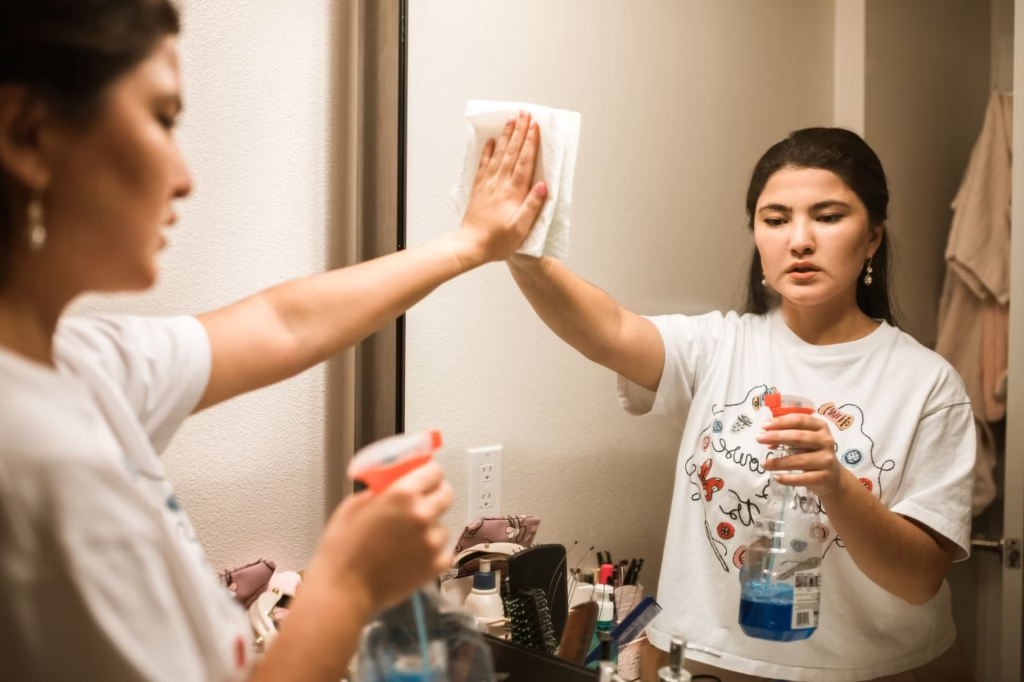
- Minutes 11 – 17: Bathroom next. Wipe the mirror, sink, faucet, toilet seat, and rim, then do a quick floor pass around the toilet.
- Minutes 17 – 23: Living room and bedroom surfaces. Make the bed, clear nightstands, fold throws, reset pillows, and wipe the coffee table or side tables.
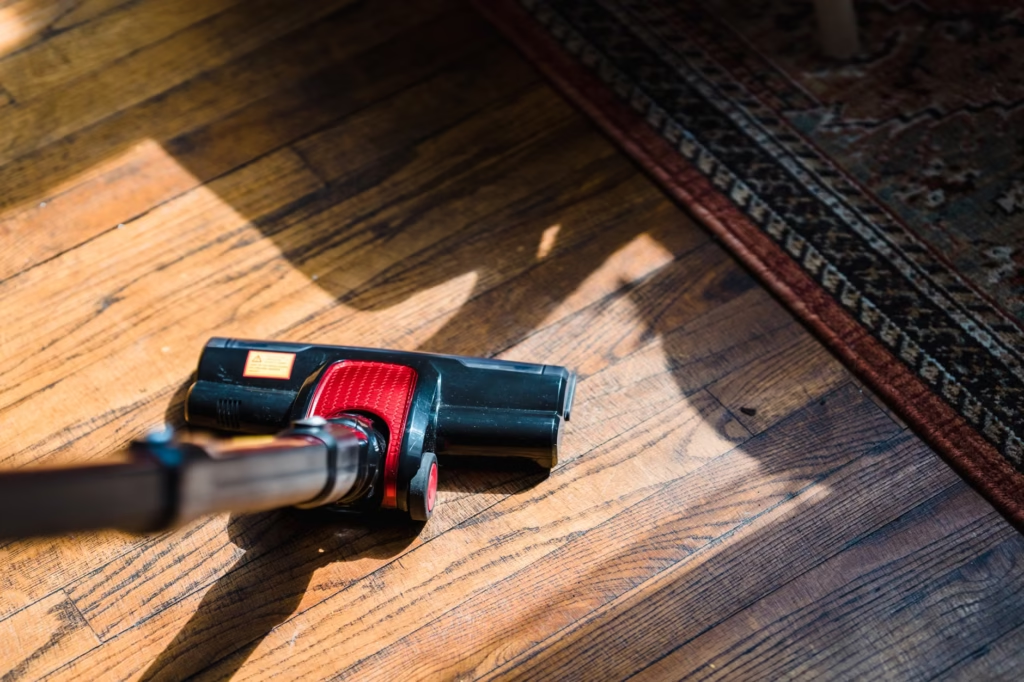
- Minutes 23 – 28: Fast floor pass. Vacuum or sweep the most visible areas: kitchen, bathroom, entry, and main walkway.
- Minutes 28 – 30: Finish lap. Empty the basket into the correct rooms, replace towels if needed, and put cleaning tools back where they belong.
That kind of routine will not handle built-up grease, pet accidents, renovation dust, overflowing papers, or a bathroom that needs heavy scrubbing. In those situations, speed cleaning is still useful, but mostly as a reset before a longer session. And if you are cleaning after illness or using bleach solutions, follow current CDC guidance and the product label rather than relying on a generic routine. (cdc.gov)
The fastest clean is the one that keeps the next clean small
Cleaning faster does not require racing through the house or buying a cabinet full of products. It requires a tighter loop: reset first, clean in passes, stop at a sensible finish line, and avoid turning maintenance into a deep-clean marathon. If there is one habit worth keeping, it is this: leave each session with the house easy to clean next time.
Frequently asked questions
Is it faster to clean one room completely or do one task through the whole house?
For routine upkeep, task-based passes are usually faster. Reset the whole house first, then wipe, then do floors. For deep cleaning, room-by-room work often makes more sense because the level of detail is higher.
Do I need to disinfect every day?
Usually not. The CDC says regular cleaning is enough in most home situations. Disinfecting becomes more relevant when someone is sick or when someone at home has a weakened immune system and may be at higher risk. (cdc.gov)
What is the minimum cleaning kit that saves time?
A small caddy with an everyday cleaner, a bathroom or toilet product, glass cleaner if you use it regularly, a few washable cloths, trash bags, and a floor tool is enough for most weekly sessions. If product safety is part of the decision, EPA’s Safer Choice and DfE labels are more useful than vague “eco” claims. (epa.gov)
How can I clean faster if the house is very cluttered?
Separate pickup from cleaning. Set a timer for 10 to 15 minutes and do nothing except collect trash, dishes, laundry, and items that belong elsewhere. Once surfaces are exposed, cleaning speeds up dramatically.
What is the difference between a speed clean and a deep clean?
A speed clean targets visible mess, common touchpoints, odors, and floors. A deep clean includes low-frequency jobs such as grout, baseboards, vents, inside appliances, shower buildup, and furniture moving. If you use a disinfectant during either kind of session, clean first and follow the label’s contact time. (cdc.gov)
References
- CDC – When and How to Clean and Disinfect Your Home – https://www.cdc.gov/hygiene/about/when-and-how-to-clean-and-disinfect-your-home.html?CDC_AAref_Val=https%3A%2F%2Fwww.cdc.gov%2Fhygiene%2Fcleaning%2Fcleaning-your-home.html
- CDC – How to Safely Clean and Sanitize with Bleach – https://www.cdc.gov/natural-disasters/safety/how-to-safely-clean-and-sanitize-with-bleach.html
- EPA – Selected EPA-Registered Disinfectants – https://www.epa.gov/pesticide-registration/selected-epa-registered-disinfectants
- EPA – Identifying Greener Cleaning Products – https://www.epa.gov/greenerproducts/identifying-greener-cleaning-products
- EPA – Frequently Asked Questions on Safer Choice – https://www.epa.gov/saferchoice/frequently-asked-questions-safer-choice